Throat Cancer Surgery Chennai | da Vinci Robotic Benefits
Need expert consultation? Book an appointment with Dr. Vidhyadharan at THANC Hospital.
Book Appointmentda Vinci robotic surgery has revolutionized the treatment of throat cancer, offering patients in Chennai a minimally invasive approach with significant benefits for recovery. Dr. Vidhyadharan Sivakumar at THANC Hospital is a leading expert in this advanced technique, providing precise and effective treatment for various types of throat cancers. This approach offers a distinct advantage over traditional methods, leading to faster healing, reduced scarring, and improved quality of life.
Understanding Throat Cancer and Treatment Options
Throat cancer encompasses cancers that develop in the pharynx (throat), larynx (voice box), or tonsils. These cancers can significantly impact a person's ability to speak, swallow, and breathe. Several factors contribute to the development of throat cancer, including tobacco use, excessive alcohol consumption, human papillomavirus (HPV) infection, and poor nutrition. Early detection and appropriate treatment are crucial for successful outcomes.
Traditional treatment options for throat cancer include:
- Surgery: Open surgical procedures to remove the tumor and surrounding affected tissues.
- Radiation Therapy: Using high-energy rays to kill cancer cells.
- Chemotherapy: Using drugs to destroy cancer cells throughout the body.
- Targeted Therapy: Using drugs that target specific vulnerabilities in cancer cells.
While these treatments can be effective, they often come with significant side effects and a prolonged recovery period. Open surgery, in particular, can result in substantial scarring, pain, and functional limitations. This is where da Vinci robotic surgery offers a compelling alternative.
The Advantages of da Vinci Robotic Surgery for Throat Cancer
da Vinci robotic surgery, also known as Transoral Robotic Surgery (TORS), is a minimally invasive surgical technique that utilizes a sophisticated robotic system to access and remove tumors in the throat. The da Vinci system provides surgeons with enhanced visualization, precision, and control, allowing them to perform complex procedures through small incisions or even through the mouth.
The key advantages of da Vinci robotic surgery for throat cancer include:
- Minimally Invasive Approach: Smaller incisions or no external incisions, resulting in less pain, scarring, and blood loss.
- Enhanced Precision and Control: The robotic arms provide greater dexterity and precision than human hands, allowing for more accurate tumor removal while preserving healthy tissue.
- Improved Visualization: The high-definition 3D surgical system offers magnified views of the surgical site, enabling surgeons to see and operate in tight spaces with greater clarity.
- Faster Recovery: Patients typically experience shorter hospital stays, reduced pain, and a quicker return to normal activities.
- Improved Functional Outcomes: The precise nature of the surgery helps preserve critical functions such as swallowing and speech.
In my practice at THANC Hospital, I've observed firsthand the transformative impact of da Vinci robotic surgery on patients with throat cancer. The ability to remove tumors with such precision and minimal disruption to surrounding tissues translates to significantly improved outcomes and a better quality of life for our patients.
Dr. Vidhyadharan Sivakumar: Expert in da Vinci Robotic Surgery in Chennai
Dr. Vidhyadharan Sivakumar is an internationally trained Head & Neck Surgical Oncologist and Clinical Director & Senior Consultant at THANC Hospital (The Head and Neck Centre & Hospital) in Chennai. With extensive experience in head and neck cancer surgery, including da Vinci robotic surgery, Dr. Vidhyadharan is dedicated to providing patients with the most advanced and effective treatment options available.
Dr. Vidhyadharan's qualifications include:
- MCh (Head & Neck Surgery) - Amrita Institute
- MS (Otorhinolaryngology) - First Mark & Gold Medal - Annamalai University (2009)
- DNB (Otorhinolaryngology)
- MBBS - Sri Ramachandra Medical College
- Fellow, Indian College of Robotic Surgeons (FICRS)
- Fellow, European Board of Otorhinolaryngology (FEB-ORL HNS)
He has also trained across 8 countries, including Australia, Taiwan, Singapore, Korea, and Canada, further solidifying his expertise in the field. His commitment to excellence and patient care makes him a trusted choice for individuals seeking da Vinci robotic surgery for throat cancer in Chennai.
The da Vinci Robotic Surgery Procedure: What to Expect
Before undergoing da Vinci robotic surgery, patients will undergo a thorough evaluation to determine their suitability for the procedure. This evaluation may include a physical examination, imaging scans (CT, MRI, PET), and a biopsy to confirm the diagnosis and stage of the cancer.
The surgery itself is performed under general anesthesia. The surgeon uses the da Vinci robotic system to control specialized instruments inserted through small incisions or the mouth. The robotic arms provide exceptional dexterity and precision, allowing the surgeon to carefully remove the tumor while preserving surrounding healthy tissue. The magnified 3D visualization system enhances the surgeon's ability to see and operate in tight spaces.
Depending on the extent of the surgery, patients may require a short hospital stay. Pain is typically well-managed with medication, and most patients can begin eating and drinking soon after surgery. Speech and swallowing therapy may be recommended to help patients regain optimal function.
Comparing da Vinci Robotic Surgery with Traditional Open Surgery
The following table highlights the key differences between da Vinci robotic surgery and traditional open surgery for throat cancer:
| Feature | da Vinci Robotic Surgery (TORS) | Traditional Open Surgery |
|---|---|---|
| Incisions | Small incisions or no external incisions | Larger incisions |
| Visualization | High-definition 3D magnified view | Direct view |
| Precision | Enhanced precision and control with robotic arms | Manual manipulation |
| Blood Loss | Minimal blood loss | Higher blood loss |
| Pain | Less pain | More pain |
| Scarring | Minimal scarring | Significant scarring |
| Hospital Stay | Shorter hospital stay | Longer hospital stay |
| Recovery Time | Faster recovery | Slower recovery |
| Functional Outcomes | Improved functional outcomes (swallowing, speech) | Potential for functional limitations |
| Risk of Complications | Lower risk of complications | Higher risk of complications |
This comparison clearly demonstrates the advantages of da Vinci robotic surgery in terms of minimizing invasiveness, improving precision, and promoting faster recovery.
If you're experiencing [symptoms], early consultation is crucial. Book an appointment with Dr. Vidhyadharan at THANC Hospital, Chennai.
Real-World Examples and Success Rates
Numerous studies have demonstrated the effectiveness and safety of da Vinci robotic surgery for throat cancer. A study published in The Laryngoscope found that TORS resulted in significantly better swallowing outcomes compared to traditional open surgery for patients with oropharyngeal cancer. Another study in Head & Neck reported that TORS was associated with shorter hospital stays and lower rates of complications.
In my practice, I've seen firsthand the positive impact of da Vinci robotic surgery on patients with throat cancer. For example, I recently treated a patient with early-stage tonsil cancer using TORS. The patient experienced minimal pain, was discharged from the hospital within two days, and was able to return to work within a week. This is a stark contrast to the experience of patients undergoing traditional open surgery, who often require a longer hospital stay and a more prolonged recovery period.
While success rates can vary depending on the stage and location of the cancer, as well as the patient's overall health, da Vinci robotic surgery generally offers excellent outcomes for appropriately selected patients. It's important to discuss your individual case with Dr. Vidhyadharan to determine if TORS is the right treatment option for you.
Addressing Common Concerns and Misconceptions
Some patients may have concerns or misconceptions about da Vinci robotic surgery. One common concern is the idea that the robot is performing the surgery independently. In reality, the surgeon is always in complete control of the robotic system, using their expertise and skill to guide the instruments and perform the procedure. The robot simply enhances the surgeon's capabilities, providing greater precision and control.
Another misconception is that da Vinci robotic surgery is only suitable for early-stage cancers. While it is often the preferred approach for early-stage tumors, it can also be used in select cases of more advanced cancers. Dr. Vidhyadharan will carefully evaluate each patient's individual situation to determine the most appropriate treatment plan.
THANC Hospital: A Center of Excellence for Head and Neck Cancer Care in Chennai
THANC Hospital (The Head and Neck Centre & Hospital) in Chennai is a leading center for the diagnosis and treatment of head and neck cancers. The hospital is equipped with state-of-the-art technology, including the da Vinci robotic system, and staffed by a team of highly skilled and experienced specialists.
THANC Hospital offers a comprehensive range of services for patients with throat cancer, including:
- Diagnostic evaluation and staging
- da Vinci robotic surgery (TORS)
- Traditional open surgery
- Radiation therapy
- Chemotherapy
- Targeted therapy
- Rehabilitation services (speech and swallowing therapy)
- Support groups and counseling
The hospital's multidisciplinary approach ensures that patients receive personalized and coordinated care from a team of experts, including surgeons, oncologists, radiation therapists, speech pathologists, and nurses.
Have questions about your condition? Schedule a consultation with Dr. Vidhyadharan, a fellowship-trained head and neck surgeon with 15+ years of specialist practice.
Making an Informed Decision: Consultation and Next Steps
If you or a loved one has been diagnosed with throat cancer, it's essential to seek expert medical advice and explore all available treatment options. Dr. Vidhyadharan Sivakumar at THANC Hospital in Chennai is a leading expert in da Vinci robotic surgery for throat cancer and can provide you with personalized guidance and care.
During a consultation, Dr. Vidhyadharan will:
- Review your medical history and perform a physical examination.
- Evaluate your imaging scans and biopsy results.
- Discuss your treatment options, including da Vinci robotic surgery, traditional open surgery, radiation therapy, and chemotherapy.
- Answer your questions and address your concerns.
- Develop a personalized treatment plan based on your individual needs and preferences.
Early detection and appropriate treatment are crucial for successful outcomes in throat cancer. Don't delay seeking medical attention if you're experiencing symptoms such as a persistent sore throat, difficulty swallowing, or hoarseness.
For personalized treatment options and expert care, consult Dr. Vidhyadharan Sivakumar at THANC Hospital. Call +91 73059 53378 or book an appointment.
References
- Genden, E. M., et al. "Transoral Robotic Surgery: A Multi-Institutional Report of the First 100 Patients." Head & Neck, 2011.
- O'Malley, B. W., Jr., et al. "Transoral Robotic Surgery (TORS) for Base of Tongue Cancer: A Survival Analysis." The Laryngoscope, 2013.
- Weinstein, G. S., et al. "Transoral Robotic Surgery: A Preliminary Report." Archives of Otolaryngology–Head & Neck Surgery, 2007.
- National Comprehensive Cancer Network (NCCN). "Head and Neck Cancers." NCCN Guidelines, 2023. https://www.nccn.org/guidelines/category_1
- American Cancer Society. "Throat Cancer." 2023. https://www.cancer.org/cancer/throat-cancer.html
- World Health Organization (WHO). "Cancer." 2023. https://www.who.int/news-room/fact-sheets/detail/cancer
- Bradbury, M. S., et al. "Transoral robotic surgery for oropharyngeal squamous cell carcinoma: long-term results." Otolaryngology–Head and Neck Surgery, 2010.
Authored by
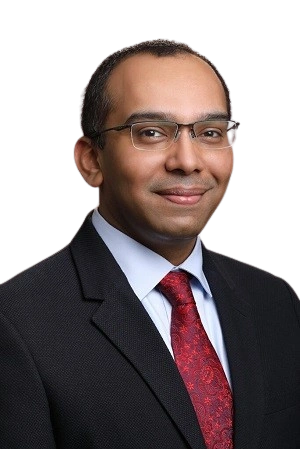
Dr. Vidhyadharan Sivakumar
MCh (Head & Neck Surgery), FEB-ORL HNS, MS (ENT) Gold Medal
Clinical Director & Senior Consultant at THANC Hospital, Chennai. Co-Editor of "Comprehensive Management of Head and Neck Cancer" (2021) with 40+ publications. Team Leader for India's first TORS-assisted Total Laryngectomy (2022). 15+ years experience with over 3000 complex surgeries.