Meet Chennai's Leading Head & Neck Cancer Specialist

Dr. Vidhyadharan Sivakumar is an internationally trained Head & Neck Surgical Oncologist with specialized expertise in treating cancers of the oral cavity, throat, larynx, thyroid, and salivary glands. With extensive surgical experience and advanced training from Royal Adelaide Hospital, Australia, he offers comprehensive, personalized cancer care using the latest surgical techniques including robotic surgery (TORS) and advanced reconstruction.

Having achieved MCh First Rank with Gold Medal and completed prestigious clinical fellowships in Australia, Dr. Vidhyadharan brings internationally recognized expertise to Chennai. He is a Fellow of the Indian College of Robotic Surgeons (FICRS) and European Board of Otorhinolaryngology (FEB-ORL HNS), ensuring you receive world-class cancer treatment close to home.

Credentials & Expertise

Extensive surgical experience in head & neck oncology | Robotic surgery certified | Fellowship-trained in Australia | MCh First Rank & Gold Medal | Advanced reconstruction expertise | Multidisciplinary cancer care approach
INDIA'S PIONEER IN TORS

Scarless Cancer Treatment with Faster Recovery

Dr. Vidhyadharan is India's pioneer in Transoral Robotic Surgery (TORS), having performed the country's first robotic total laryngectomy. Using the da Vinci Xi surgical system, tumors are removed through the mouth—no external cuts, no visible scars, and significantly faster recovery compared to traditional surgery.

Completely Scarless

Surgery through the mouth means no external incisions and no visible scars on face or neck

Faster Recovery

Most patients go home in 2-3 days vs. 7-10 days for traditional surgery

Better Function

Preserves speech and swallowing function better than conventional open surgery

Less Pain

Minimally invasive approach means less post-operative pain and discomfort

Head & Neck Cancers Dr. Vidhyadharan Treats

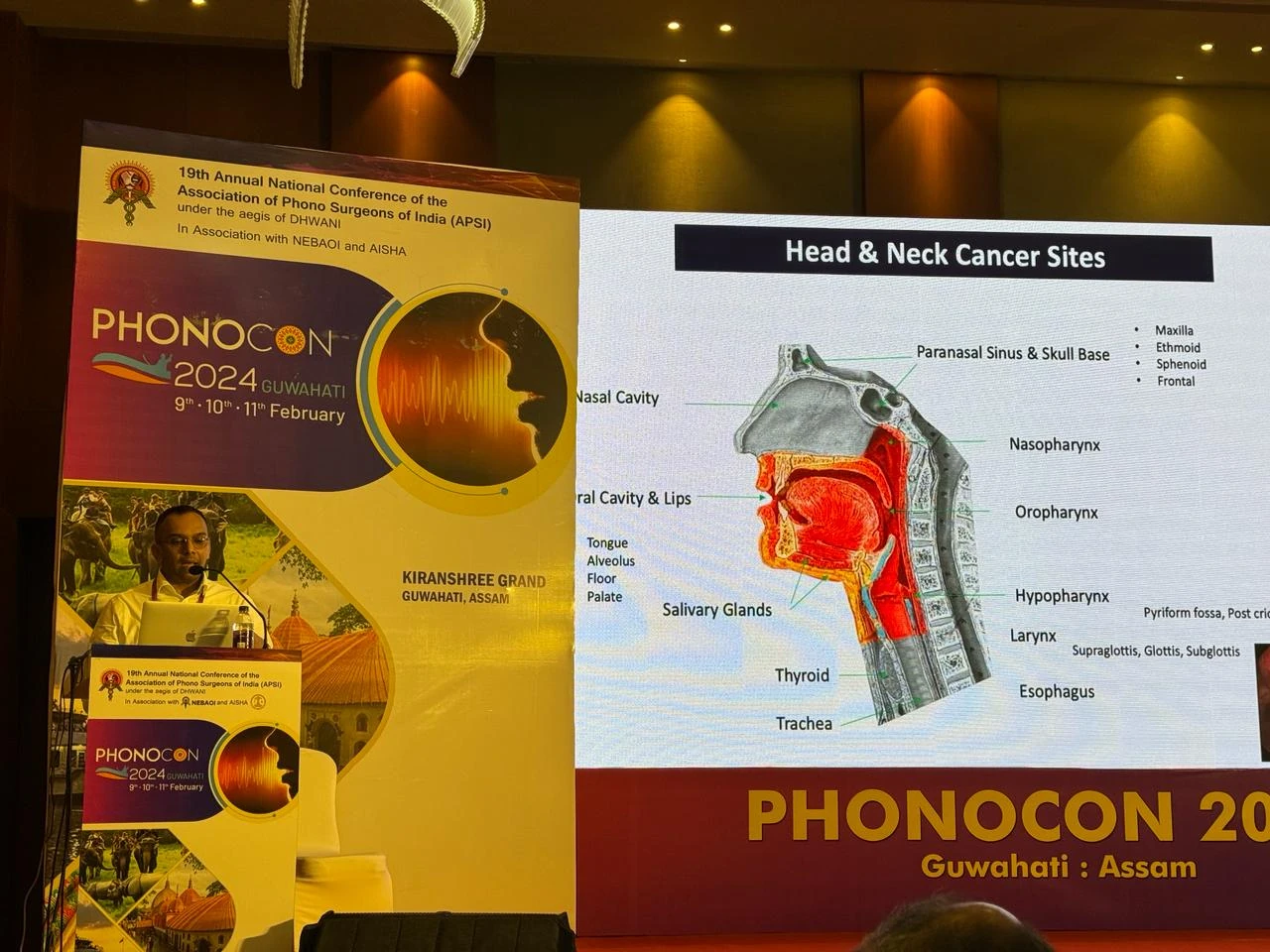
Oral Cavity Cancer (Tongue, Buccal Mucosa, Floor of Mouth)
Throat Cancer (Oropharynx, Hypopharynx)
Laryngeal Cancer (Voice Box Cancer)
Thyroid Cancer (Papillary, Follicular, Medullary, Anaplastic)
Salivary Gland Tumors (Parotid, Submandibular)
Nasopharyngeal Cancer
Sinonasal & Skull Base Tumors
Skin Cancer of Head & Neck
Lymph Node Metastases
Recurrent Head & Neck Cancers
Post-radiation Cancer Recurrence
Advanced Stage Cancers (T3, T4)

Warning Signs - When to Seek Expert Evaluation

Consult Dr. Vidhyadharan if you experience:

Non-healing ulcer or sore in mouth (>3 weeks)
Persistent hoarseness or voice changes
Difficulty swallowing or painful swallowing
Lump or swelling in the neck
Unexplained weight loss
Persistent sore throat or ear pain
White or red patches in mouth
Persistent cough or breathing difficulty
Blood in saliva or phlegm
Numbness in face or mouth
Tobacco or alcohol use with above symptoms
Previous radiation exposure to head/neck

Early diagnosis improves outcomes

Treatments

Dr. Vidhyadharan's Advanced Cancer Treatment Approaches

Robotic Surgery (TORS)

Transoral Robotic Surgery for throat and tongue cancers using da Vinci Xi robot. Minimally invasive approach with no external scars, faster recovery, better speech and swallowing outcomes, and reduced need for radiation therapy.

Transoral Laser Microsurgery (TLM)

Precision CO2 laser surgery for early laryngeal and pharyngeal cancers through the mouth. Organ-preserving approach for voice box cancers that avoids external incisions and often eliminates need for radiation. Excellent voice outcomes.

Comprehensive Tumor Resection

Complete surgical removal of cancerous tissue with adequate margins. Includes organ-preserving techniques when possible, nerve-sparing approaches, and management of advanced tumors with involvement of multiple structures.

Neck Dissection (Lymph Node Surgery)

Removal of lymph nodes in the neck for cancer that has spread. Performed using selective, modified radical, or radical techniques based on cancer extent. Essential for complete cancer removal and accurate staging.

Microvascular Reconstruction

Advanced reconstructive surgery using free tissue transfer to restore form and function after cancer removal. Ensures optimal cosmetic outcomes and restoration of speech, swallowing, and breathing functions.

Why Choose

Why Choose Dr. Vidhyadharan for Head & Neck Cancer Treatment

Fellowship-trained Head & Neck Surgical Oncologist with 20+ years of experience

Robotic surgery certified (TORS) - one of few surgeons in Chennai offering this advanced technique

Expertise in complex and advanced stage cancers (T3, T4)

Advanced microvascular reconstruction skills for optimal functional outcomes

Multidisciplinary approach with medical oncologists, radiation oncologists, and speech therapists

Personalized treatment plans based on latest international guidelines

Access to comprehensive cancer care at THANC Hospital with advanced facilities

Focus on organ preservation and quality of life

Advanced Technology & Techniques

da Vinci Xi Robotic Surgical SystemCO2 Laser for Transoral MicrosurgeryIntraoperative Nerve MonitoringAdvanced Imaging (CT, MRI, PET-CT)Operating MicroscopeHarmonic Scalpel Technology
Your Journey

Your Head & Neck Cancer Treatment Journey with Dr. Vidhyadharan

Understanding what to expect helps reduce anxiety and prepares you for treatment

1

Comprehensive Cancer Evaluation

Detailed clinical examination, review of biopsy results, imaging studies (CT, MRI, PET-CT), and TNM staging. Discussion of diagnosis, prognosis, and all treatment options including surgery, radiation, and chemotherapy.

2

Multidisciplinary Tumor Board Review

Your case is discussed in a tumor board meeting with medical oncologists, radiation oncologists, pathologists, and radiologists to determine the optimal treatment strategy tailored to your specific cancer.

3

Pre-operative Preparation

Dental clearance if radiation planned, nutritional assessment, speech and swallowing evaluation, cardiac clearance if needed. Counseling about expected outcomes, potential complications, and rehabilitation process.

4

Surgery & Hospital Stay

Cancer removal surgery performed using appropriate technique (robotic, open, or endoscopic). ICU monitoring for complex cases. Hospital stay typically 5-10 days depending on surgery extent. Pain management and early rehabilitation started.

5

Recovery & Adjuvant Treatment

Post-operative pathology review to determine need for radiation or chemotherapy. Speech and swallowing therapy if needed. Drain removal and wound care. Regular follow-up for cancer surveillance and management of treatment effects.

FAQs

Frequently Asked Questions

Treatment depends on cancer type, stage, and location. Options include surgery, radiation therapy, chemotherapy, or combinations. Early-stage cancers often require surgery alone or with radiation. Advanced cancers may need combined treatment. Dr. Vidhyadharan will discuss all options and recommend the best approach based on latest guidelines and your individual situation.

Most patients maintain or regain good speech and swallowing function, especially with robotic and reconstructive techniques. Temporary difficulties are common but improve with rehabilitation. Early-stage cancers usually have excellent functional outcomes. For advanced cancers requiring extensive surgery, reconstruction and therapy help maximize function. Dr. Vidhyadharan uses organ-preserving techniques whenever oncologically safe.

Recovery varies by surgery extent. Robotic surgery patients may be discharged in 2-3 days with faster return to normal diet. Complex surgeries with reconstruction require 7-10 days hospitalization. Most patients resume normal activities in 4-6 weeks. Complete healing and rehabilitation may take 3-6 months. Speech and swallowing therapy continues during this period.

TORS (Transoral Robotic Surgery) is a minimally invasive technique for throat and tongue base cancers. Benefits include no external scars, faster recovery, better function, and potentially avoiding radiation. Candidates are patients with early-stage oropharyngeal or tongue base cancers. Not suitable for very advanced tumors. Dr. Vidhyadharan will assess candidacy based on tumor characteristics and imaging.

Transoral Laser Microsurgery (TLM) uses a CO2 laser and operating microscope to remove early voice box (laryngeal) cancers through the mouth. This organ-preserving technique avoids external incisions and often eliminates the need for radiation therapy. Patients typically retain excellent voice function and swallow normally. Best suited for early-stage (T1-T2) glottic and supraglottic cancers. Dr. Vidhyadharan combines TLM expertise with voice preservation focus.

Post-operative treatment depends on final pathology results. Factors like positive margins, lymph node involvement, perineural invasion, or vascular invasion may indicate need for adjuvant radiation with or without chemotherapy. Early-stage cancers with clear margins often require surgery alone. Decision is made by multidisciplinary team based on individual risk factors.

Success rates vary by cancer type and stage. Early-stage cancers (Stage I-II) have 80-90% 5-year survival rates. Advanced cancers (Stage III-IV) have 50-70% 5-year survival rates with combined treatment. Dr. Vidhyadharan's patients achieve outcomes comparable to international standards. Regular surveillance and compliance with treatment recommendations are crucial for success.

Modern techniques minimize impact on quality of life. Robotic and reconstructive surgeries preserve function better than traditional methods. Speech therapy, swallowing therapy, and nutritional support help maintain quality of life during and after treatment. Most patients return to work and normal activities. Dr. Vidhyadharan's approach prioritizes not just cancer cure but also functional outcomes.

Recurrent cancers are challenging but treatable. Options include salvage surgery, re-irradiation, chemotherapy, or clinical trials. Dr. Vidhyadharan has expertise in complex revision surgeries and managing recurrent disease. Early detection through regular surveillance is key. Treatment decisions are individualized based on recurrence location, previous treatments, and patient factors.

Main causes include tobacco use (smoking, chewing), alcohol consumption, HPV infection, betel nut chewing, and previous radiation exposure. Prevention involves avoiding tobacco and excessive alcohol, HPV vaccination, maintaining good oral hygiene, and regular dental check-ups. Early detection is crucial - seek evaluation for persistent symptoms lasting beyond 2-3 weeks.

Treatment costs vary significantly based on cancer stage, type of surgery required, need for reconstruction, radiation therapy, and individual patient factors. THANC Hospital and Dr. Vidhyadharan offer world-class head and neck cancer treatment with advanced techniques including robotic surgery at economical costs compared to other metro cities. Our team provides detailed cost estimates during consultation based on your specific treatment plan.

Microvascular reconstruction involves transferring tissue from another part of your body (commonly forearm, thigh, or fibula) with its blood supply to rebuild areas removed during cancer surgery. This advanced technique restores form and function after removal of large tumors affecting jaw, tongue, or throat. Dr. Vidhyadharan's expertise in microsurgery ensures optimal cosmetic and functional outcomes.

Follow-up schedule typically includes visits every 1-3 months in the first year, every 2-4 months in the second year, every 3-6 months in years 3-5, and annually thereafter. Each visit includes clinical examination, flexible laryngoscopy, and periodic imaging (CT/MRI/PET-CT). Regular surveillance is essential for early detection of recurrence and management of treatment side effects.

Have more questions? We're here to help.

Schedule a Consultation

Get Expert Head & Neck Cancer Care with Dr. Vidhyadharan

Don't delay cancer treatment. Schedule your consultation with Dr. Vidhyadharan, Chennai's leading Head & Neck Cancer Specialist, at THANC Hospital