Chennai's Fellowship-Trained Sleep Surgeon

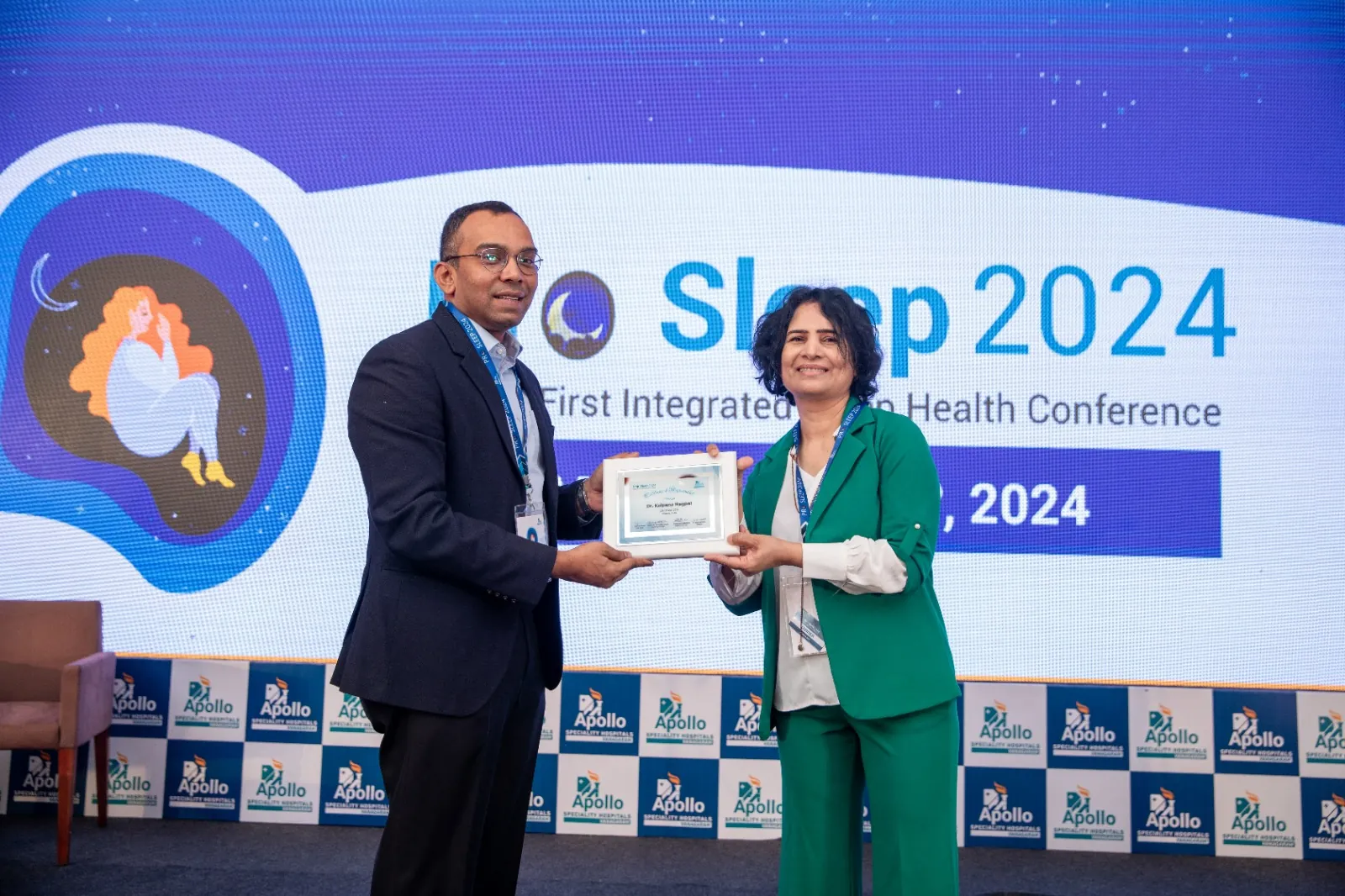
Dr. Vidhyadharan Sivakumar completed a specialized Mini-Fellowship in Sleep Surgery at Singapore General Hospital under leading sleep surgeons. He offers comprehensive surgical solutions for patients with obstructive sleep apnea (OSA) and chronic snoring who have not responded to CPAP therapy or lifestyle modifications.

With advanced training in drug-induced sleep endoscopy (DISE) and multi-level sleep surgery, Dr. Vidhyadharan provides personalized surgical treatment plans targeting the specific sites of airway obstruction. His approach combines precision surgery with multidisciplinary care involving sleep physicians and respiratory specialists.

Credentials & Expertise

Mini-Fellowship trained in Sleep Surgery (Singapore) | Drug-Induced Sleep Endoscopy (DISE) expertise | Multi-level sleep surgery | Robotic-assisted sleep surgery | Collaboration with sleep medicine specialists


Sleep Conditions Dr. Vidhyadharan Treats

Obstructive Sleep Apnea (Mild to Severe)
Primary Snoring
CPAP-Intolerant Sleep Apnea
Upper Airway Resistance Syndrome
Nasal Obstruction Contributing to Sleep Apnea
Enlarged Tonsils and Adenoids (Adults)
Tongue Base Obstruction
Soft Palate and Uvula Collapse
Lateral Pharyngeal Wall Collapse
Epiglottic Collapse
Hypopharyngeal Obstruction
Residual Sleep Apnea after CPAP

When to See a Sleep Surgeon

Consult Dr. Vidhyadharan if you experience:

Loud, disruptive snoring
Witnessed breathing pauses during sleep
Gasping or choking at night
Excessive daytime sleepiness
Morning headaches
Difficulty concentrating
CPAP intolerance or failure
Uncontrolled blood pressure despite medication
Waking up unrefreshed
Frequent nighttime urination
Memory problems
Irritability and mood changes

Early diagnosis improves outcomes

Treatments

Dr. Vidhyadharan's Sleep Surgery Approaches

Drug-Induced Sleep Endoscopy (DISE)

Specialized diagnostic procedure performed under sedation to visualize exact sites of airway collapse during simulated sleep. Essential for planning targeted surgical intervention and predicting surgical success.

Palatal Surgery (UPPP/Expansion Pharyngoplasty)

Modern palatal procedures to address soft palate and lateral pharyngeal wall collapse. Techniques include expansion sphincter pharyngoplasty and barbed reposition pharyngoplasty for improved outcomes with minimal pain.

Tongue Base Surgery

Minimally invasive approaches including robotic-assisted tongue base reduction, radiofrequency ablation, and coblation for tongue base obstruction. Transoral robotic surgery (TORS) offers precise tissue removal with faster recovery.

Multi-Level Sleep Surgery

Comprehensive single-stage surgery addressing multiple levels of obstruction (nose, palate, tongue base) identified on DISE. Maximizes success rates while minimizing number of procedures required.

Why Choose

Why Choose Dr. Vidhyadharan for Sleep Surgery

Singapore-trained sleep surgery specialist with dedicated fellowship training

Drug-Induced Sleep Endoscopy (DISE) for precise surgical planning

Robotic surgery expertise for minimally invasive tongue base procedures

Multi-level surgery approach for comprehensive treatment

Collaboration with sleep medicine physicians for integrated care

Modern techniques with reduced pain and faster recovery

High success rates for CPAP-intolerant patients

Comprehensive follow-up with sleep study monitoring

Advanced Technology & Techniques

Drug-Induced Sleep Endoscopy (DISE)da Vinci Robotic System for TORSCoblation TechnologyRadiofrequency AblationHigh-Definition EndoscopyPolysomnography Monitoring
Your Journey

Your Sleep Surgery Journey with Dr. Vidhyadharan

Understanding what to expect helps reduce anxiety and prepares you for treatment

1

Sleep Assessment & Polysomnography Review

Comprehensive evaluation of sleep history, CPAP usage history, and review of sleep study (polysomnography) results. Physical examination of upper airway and assessment of body weight and medical conditions.

2

Drug-Induced Sleep Endoscopy (DISE)

Specialized endoscopic examination under sedation to visualize exact sites of airway collapse. This determines whether surgery is appropriate and which specific procedures will be most effective.

3

Surgical Treatment

Tailored surgical procedure addressing identified obstruction sites. May include palatal surgery, tongue base reduction, nasal surgery, or combination approach. Minimally invasive techniques prioritized.

4

Post-Operative Recovery

Monitored recovery with pain management and airway precautions. Dietary modifications for 2-3 weeks. Gradual return to normal activities with specific sleep position guidance.

5

Follow-Up Sleep Study

Post-operative polysomnography at 3-6 months to objectively assess surgical success. Long-term follow-up with sleep medicine team for ongoing optimization of sleep quality.

FAQs

Frequently Asked Questions

Obstructive sleep apnea (OSA) is a condition where the upper airway repeatedly collapses during sleep, causing breathing pauses and oxygen drops. Untreated OSA increases risk of hypertension, heart disease, stroke, diabetes, and accidents due to daytime sleepiness. Treatment is essential for health and quality of life.

Surgery is considered when CPAP therapy fails due to intolerance, poor compliance, or inadequate response. Also considered for patients with significant anatomical obstruction (enlarged tonsils, nasal blockage, tongue base enlargement) who prefer surgical correction. Dr. Vidhyadharan evaluates each case with DISE to determine surgical suitability.

DISE is a specialized diagnostic procedure where a camera examines your airway while you are sedated to simulate natural sleep. This reveals exactly where and how your airway collapses, allowing Dr. Vidhyadharan to plan targeted surgery. Without DISE, surgical planning is less accurate and success rates lower.

Success rates vary by procedure and patient selection. With proper DISE-guided patient selection and multi-level surgery, success rates of 60-80% (defined as 50% reduction in apnea episodes with residual mild disease or better) are achieved. Individual outcomes depend on severity, anatomy, and weight.

Yes, Dr. Vidhyadharan uses Transoral Robotic Surgery (TORS) for tongue base reduction in selected patients with tongue base obstruction. TORS provides excellent visualization and precision for removing tissue causing airway obstruction, with faster recovery than traditional open approaches.

Modern sleep surgery techniques have significantly reduced pain compared to older procedures. Palatal surgery causes throat pain for 1-2 weeks managed with medications. Tongue base surgery recovery is 2-3 weeks. Most patients return to work within 2 weeks. Complete healing takes 4-6 weeks.

Yes, primary snoring (snoring without significant apnea) can be treated with focused procedures like palatal surgery or radiofrequency reduction. However, a sleep study is essential to rule out underlying sleep apnea, which requires more comprehensive treatment.

The goal of surgery is to eliminate or significantly reduce the need for CPAP. Many patients no longer require CPAP after successful surgery. Some may use it occasionally or at lower pressures. Post-operative sleep study determines residual disease and CPAP needs.

Weight loss is the most effective lifestyle intervention, potentially curing mild-moderate OSA. Avoiding alcohol and sedatives before bed, sleeping on your side, treating nasal allergies, and maintaining good sleep hygiene all help. These complement surgical and medical treatments.

Many insurance policies cover sleep apnea surgery when documented medical necessity is established through sleep study and failed CPAP trial. Coverage varies by policy. Our team assists with insurance documentation and pre-authorization. Contact us for specific coverage questions.

Cost depends on the specific procedures required (nasal surgery, palatal surgery, tongue base surgery, or combination), hospital stay duration, and whether robotic assistance is used. DISE and comprehensive surgical treatment are available at THANC Hospital. Detailed cost estimates are provided after consultation and DISE findings.

Sleep apnea surgery is generally safe when performed by an experienced sleep surgeon. Risks include bleeding, infection, temporary swallowing difficulty, and voice changes. Serious complications are rare. Patients with severe OSA are monitored carefully post-operatively. Dr. Vidhyadharan's specialized training ensures safe surgical care.

Have more questions? We're here to help.

Schedule a Consultation

Stop Snoring, Start Living - Consult Dr. Vidhyadharan

Don't let sleep apnea affect your health and quality of life. Schedule your consultation with Chennai's fellowship-trained sleep surgeon at THANC Hospital