Post-Stroke Dysphagia: Swallowing Rehabilitation in Chennai
Need expert consultation? Book an appointment with Dr. Vidhyadharan at THANC Hospital.
Book AppointmentPost-stroke dysphagia, difficulty swallowing after a stroke, is one of the most common yet underrecognized complications of stroke. Research consistently shows that 40-70% of acute stroke patients develop some degree of swallowing difficulty, putting them at serious risk of aspiration pneumonia, malnutrition, and prolonged hospital stays.
In my clinical practice at THANC Hospital in Kilpauk, Chennai, I see a recurring pattern: families bring their loved ones weeks or sometimes months after a stroke, often after multiple episodes of unexplained fever or chest infections, only to discover that the root cause was silent aspiration all along. This delay costs valuable recovery time. Using FEES-guided swallowing rehabilitation, our team has achieved an 80% decannulation success rate for stroke patients, but early referral makes all the difference.
This guide explains the journey of post-stroke swallowing recovery: from early diagnosis to hospital-to-home transition, helping patients and families across Chennai and Tamil Nadu understand what to expect and when to seek specialized care.
Why Stroke Causes Swallowing Problems
Swallowing is a remarkably complex process involving over 30 muscles and multiple cranial nerves, all coordinated by the brain. A stroke disrupts this process by damaging the brain areas responsible for swallowing coordination.
How Stroke Affects the Swallowing Mechanism
- Brainstem strokes directly damage the swallowing control center, often causing the most severe dysphagia.
- Cortical strokes (affecting the cerebral cortex) can impair the voluntary phase of swallowing, the conscious ability to initiate and control the swallow.
- Subcortical strokes affect the neural pathways connecting the brain to swallowing muscles, leading to reduced coordination and strength.
The Scale of the Problem
The statistics paint a concerning picture:
- 40-70% of acute stroke patients develop dysphagia
- Up to 50% of those with dysphagia experience aspiration (food or liquid entering the airway)
- Half of aspiration cases are "silent": occurring without any coughing or visible distress
- Aspiration pneumonia is the leading cause of death in the first week after stroke
- Dysphagia significantly increases hospital stay duration and healthcare costs
These numbers underscore why early screening and intervention are critical for every stroke patient. At THANC Hospital, we regularly receive referrals from neurologists and stroke units across Chennai, from Kauvery and SIMS to government hospitals like Rajiv Gandhi GH, because timely swallowing assessment can prevent the cascade of complications that follows undetected aspiration.
The Hidden Danger: Silent Aspiration
One of the most dangerous aspects of post-stroke dysphagia is silent aspiration. Unlike typical aspiration where the patient coughs or chokes, silent aspiration occurs when food, liquid, or saliva enters the airway without triggering any protective reflexes.
Why Silent Aspiration Is Particularly Concerning
- No visible warning signs: caregivers and even medical staff may not notice it during routine observation
- Cannot be detected by bedside screening alone: requires instrumental assessment like FEES
- High pneumonia risk: silently aspirated material introduces bacteria into the lungs
- Delayed diagnosis: patients may develop repeated chest infections before the root cause is identified
How FEES Detects Silent Aspiration
At THANC Hospital, Dr. Vidhyadharan uses Flexible Endoscopic Evaluation of Swallowing (FEES) as the gold standard for detecting silent aspiration. During the procedure:
- A thin, flexible endoscope is passed through the nose (no sedation required)
- The patient is given food and liquids of varying consistencies
- The specialist directly visualizes whether material enters the airway
- The severity of aspiration is graded and a targeted treatment plan is developed
FEES can be performed at the bedside, a significant advantage for stroke patients who may not be able to travel to a radiology suite for videofluoroscopy.
FEES-Guided Diagnosis and Treatment Planning
Accurate diagnosis is the foundation of effective post-stroke dysphagia rehabilitation. Dr. Vidhyadharan's approach at THANC Hospital uses FEES not just as a diagnostic tool, but as a guide for every treatment decision throughout the recovery journey.
What FEES Reveals
- Exact location of swallowing breakdown: oral phase, pharyngeal phase, or both
- Presence and severity of aspiration: including silent aspiration
- Residue patterns: food remaining in the throat after swallowing, indicating muscle weakness
- Laryngeal sensation: whether the protective reflexes are intact
- Effectiveness of compensatory strategies: testing in real-time which techniques help the patient swallow safely
FEES-Guided Treatment Decisions
Based on FEES findings, Dr. Vidhyadharan determines:
- Whether it is safe to begin oral feeding
- What food and liquid consistencies are safe for the patient
- Which specific swallowing exercises will be most effective
- Whether a tracheostomy or feeding tube is needed
- The optimal timeline for advancing the diet
- When decannulation (tracheostomy tube removal) can be safely attempted
This evidence-based approach, treating what we see on FEES rather than relying on assumptions, is what drives the 80% decannulation success rate we've achieved at THANC Hospital. I've found that patients who are told elsewhere "they'll never eat again" often have treatable patterns on FEES that simply weren't investigated.
Have questions about your condition? For personalized treatment options and expert care, consult Dr. Vidhyadharan Sivakumar at THANC Hospital. Call +91 73059 53378 or book an appointment.
The Step-by-Step Rehabilitation Journey
Post-stroke swallowing rehabilitation at THANC Hospital follows a structured, phased approach tailored to each patient's severity and progress.
Phase 1: Acute Assessment (Days 1-7)
- Bedside swallowing screening within 24 hours of stroke
- FEES assessment to determine aspiration risk and swallowing severity
- NPO (nil by mouth) decision if aspiration risk is high
- Nasogastric tube or PEG placement for nutrition if oral feeding is unsafe
- Tracheostomy if prolonged airway protection is required
- Baseline documentation to track progress
Phase 2: Early Rehabilitation (Weeks 1-4)
- Targeted swallowing exercises based on FEES findings:
- Effortful swallow technique: strengthening pharyngeal muscles
- Mendelsohn maneuver: improving laryngeal elevation
- Shaker exercise: strengthening suprahyoid muscles
- Tongue-strengthening exercises: improving bolus control
- Compensatory strategies: postural adjustments (chin tuck, head rotation) to redirect the bolus away from the airway
- Sensory stimulation: thermal-tactile application to trigger swallowing reflexes
- Daily SLP sessions with regular progress monitoring
Phase 3: Progressive Oral Intake (Weeks 4-12)
- Serial FEES assessments to track improvement
- Gradual diet advancement following the IDDSI (International Dysphagia Diet Standardisation Initiative) framework:
- Level 4: Pureed foods
- Level 5: Minced and moist foods
- Level 6: Soft and bite-sized foods
- Level 7: Regular/easy-to-chew foods
- Liquid consistency progression: from extremely thick to mildly thick to thin liquids
- Caloric and nutritional optimization with the dietitian
- Decannulation assessment for tracheostomy patients
Phase 4: Advanced Recovery and Decannulation (Months 3-6+)
- Decannulation protocol: FEES-guided assessment of airway safety before tracheostomy removal
- Transition to full oral diet when safe
- Strengthening and maintenance exercises
- Voice and speech rehabilitation if needed
- Final FEES assessment to confirm safe swallowing
Recovery Timeline: What to Expect
Understanding the typical recovery timeline helps patients and families set realistic expectations while remaining hopeful.
| Timeframe | Typical Milestones |
|---|---|
| Week 1 | Initial FEES assessment; swallowing exercises begin; safe consistency identified |
| Weeks 2-4 | Early improvement in swallowing coordination; possible introduction of pureed foods |
| Months 1-3 | Progressive diet advancement; tracheostomy weaning assessment |
| Months 3-6 | Decannulation for eligible patients; transition toward normal diet |
| Months 6-12 | Continued strengthening; most patients achieve functional swallowing |
Important: Every patient's recovery is unique. I always tell families that the first 3-6 months after a stroke are a critical window, the brain's neuroplasticity is at its peak, and intensive swallowing rehabilitation during this period yields the best results. Patients referred to us within the first month consistently outperform those who arrive after prolonged delay. That said, I've seen meaningful improvement even in patients referred 6-12 months post-stroke, so it is never too late to seek evaluation.
The Multidisciplinary Team Approach
Effective post-stroke dysphagia rehabilitation requires coordinated care from multiple specialists. At THANC Hospital, Dr. Vidhyadharan leads a dedicated multidisciplinary team.
The Core Team
- Dr. Vidhyadharan Sivakumar (Head & Neck Surgeon): Leads diagnosis with FEES, makes surgical decisions (tracheostomy, PEG placement, decannulation), and oversees the overall rehabilitation plan.
- Speech-Language Pathologist (SLP): Conducts daily swallowing therapy sessions, teaches exercises and compensatory strategies, monitors progress and adjusts therapy goals.
- Dietitian: Designs IDDSI-compliant meal plans, ensures adequate caloric and protein intake, manages the transition from tube feeding to oral nutrition.
- Neurologist: Manages the underlying stroke condition, coordinates neurological rehabilitation, adjusts medications that may affect swallowing.
- Physiotherapist: Supports overall physical rehabilitation including posture, strength, and mobility, all of which indirectly support safe swallowing.
- Nursing Staff: Implements safe feeding protocols, monitors for signs of aspiration during meals, and provides day-to-day patient care.
Why Multidisciplinary Care Matters
Research demonstrates that patients managed by a multidisciplinary dysphagia team have:
- Lower rates of aspiration pneumonia
- Shorter hospital stays
- Better nutritional outcomes
- Higher rates of successful decannulation
- Improved quality of life scores
This is why THANC Hospital's team-based approach is central to the rehabilitation program. In my experience, the difference between a good outcome and a poor one often comes down to whether the SLP, dietitian, and surgeon are communicating daily, not working in silos.
Hospital-to-Home Transition Plan
Transitioning from hospital-based rehabilitation to home care is a critical phase. Improper transition can lead to setbacks, aspiration episodes, and readmission. THANC Hospital's structured transition plan ensures continuity of care.
Before Discharge
- Final FEES assessment to confirm safe swallowing status
- Detailed dietary guidelines specifying safe food and liquid consistencies
- Caregiver training on:
- Safe feeding positions and techniques
- Signs of aspiration to watch for (coughing, wet voice, fever)
- Emergency protocols if choking occurs
- Oral hygiene maintenance (critical for pneumonia prevention)
- Home exercise program: a written and demonstrated set of swallowing exercises to continue daily
- Follow-up schedule established before discharge
After Discharge
- Regular outpatient FEES assessments to track ongoing progress
- SLP follow-up sessions to advance exercises and diet
- Dietitian consultations to adjust nutrition plans as swallowing improves
- Telephonic support for caregiver questions between visits
- Clear escalation pathway if new symptoms or complications arise
Red Flags to Watch at Home
Families should contact THANC Hospital immediately if the patient develops:
- Fever or increased secretions (possible aspiration pneumonia)
- New coughing or choking during meals
- Wet or gurgly voice after eating or drinking
- Unexplained weight loss or signs of dehydration
- Refusal to eat or drink
Why Choose Dr. Vidhyadharan for Post-Stroke Dysphagia Rehabilitation?
Dr. Vidhyadharan Sivakumar, Clinical Director & Senior Consultant at THANC Hospital, Kilpauk, Chennai, brings a rare combination of surgical expertise and rehabilitation-focused approach to post-stroke dysphagia care.
Qualifications and Experience
- MCh (Head & Neck Surgery), Amrita Institute
- MS (Otorhinolaryngology), Gold Medal, First Mark, Annamalai University (2009)
- DNB (ENT), National Board of Examinations
- ASOHNS Clinical Fellowship, Royal Adelaide Hospital, Australia (2016-17)
- Fellow, European Board of Otorhinolaryngology (FEB-ORL HNS, 2018)
- Fellow, Indian College of Robotic Surgeons (FICRS)
- Training across 8 countries
- 15+ years specialist practice | 3000+ complex surgeries
- 40+ peer-reviewed publications including The Laryngoscope
What Sets THANC Hospital Apart
- 80% decannulation success rate for stroke dysphagia patients
- In-house FEES capability: no need to transfer patients for diagnosis
- Dedicated swallowing rehabilitation team with SLP, dietitian, and neurologist
- Evidence-based protocols guided by international standards (IDDSI, ESSD)
- Comprehensive hospital-to-home transition program
- Convenient location in Kilpauk, Chennai, accessible from Anna Nagar, Nungambakkam, and T. Nagar
View Dr. Vidhyadharan's full academic profile and publications.
Conclusion: Early Intervention Saves Lives and Restores Function
Post-stroke dysphagia is a serious complication, but it is not a life sentence. With early FEES-guided diagnosis, structured rehabilitation, and a dedicated multidisciplinary team, the vast majority of stroke patients can regain safe and functional swallowing. The key is acting quickly, delayed intervention increases the risk of aspiration pneumonia, malnutrition, and prolonged dependency on feeding tubes and tracheostomy.
One of the most rewarding moments in my practice is when a stroke patient who arrived on a feeding tube sits down and has a meal with their family for the first time in months. That moment, where medicine meets the deeply human act of sharing food, is why our team does what we do.
If you or a loved one has suffered a stroke and is experiencing swallowing difficulties, do not wait for the problem to resolve on its own. Specialized evaluation and rehabilitation can make a profound difference in recovery outcomes. We regularly see patients from across Tamil Nadu, from Coimbatore, Madurai, Salem, and Tiruchirappalli, and our team coordinates with local neurologists and referring physicians to ensure continuity of care.
For personalized treatment options and expert care, consult Dr. Vidhyadharan Sivakumar at THANC Hospital, Kilpauk, Chennai, easily accessible from Anna Nagar, Nungambakkam, and T. Nagar. Call +91 73059 53378 or book an appointment.
Related Resources
- Swallowing Clinic at THANC Hospital
- Swallowing Disorders (Dysphagia) Treatment in Chennai
- Head & Neck Cancer Survival Rates and Modern Treatment
- Understanding Throat Cancer Symptoms
- Dr. Vidhyadharan's Academic Profile
References
- Martino, R., Foley, N., Bhogal, S., Diamant, N., Speechley, M., & Teasell, R. (2005). Dysphagia after stroke: incidence, diagnosis, and pulmonary complications. Stroke, 36(12), 2756-2763.
- Langdon, P. C., Lee, A. H., & Binns, C. W. (2007). Dysphagia in acute ischaemic stroke: severity, recovery and relationship to stroke subtype. Journal of Clinical Neuroscience, 14(7), 630-634.
- Langmore, S. E., Schatz, K., & Olsen, N. (1988). Fiberoptic endoscopic examination of swallowing safety: a new procedure. Dysphagia, 2(4), 216-219.
- Smithard, D. G., O'Neill, P. A., England, R. E., Park, C. L., Wyatt, R., Martin, D. F., & Morris, J. (1997). The natural history of dysphagia following a stroke. Dysphagia, 12(4), 188-193.
- Cichero, J. A. Y., et al. (2017). Development of International Terminology and Definitions for Texture-Modified Foods and Thickened Fluids Used in Dysphagia Management: The IDDSI Framework. Dysphagia, 32(2), 293-314.
- Dziewas, R., et al. (2017). European Stroke Organisation and European Society for Swallowing Disorders guideline for the diagnosis and treatment of post-stroke dysphagia. European Stroke Journal, 2(3), 167-168.
- Bath, P. M., Lee, H. S., & Everton, L. F. (2018). Swallowing therapy for dysphagia in acute and subacute stroke. Cochrane Database of Systematic Reviews, (10).
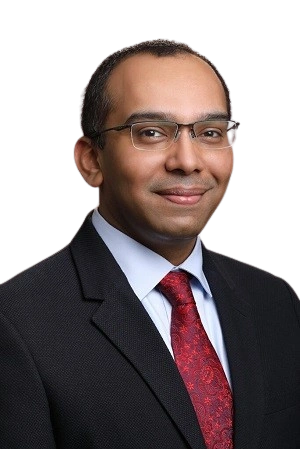
Authored by
Dr. Vidhyadharan Sivakumar
MCh (Head & Neck Surgery), FEB-ORL HNS, MS (ENT) Gold Medal
Clinical Director & Senior Consultant at THANC Hospital, Chennai. Co-Editor of "Comprehensive Management of Head and Neck Cancer" (2021) with 40+ publications. Team Leader for India's first TORS-assisted Total Laryngectomy (2022). 15+ years experience with over 3000 complex surgeries.