Swallowing Disorders Treatment Chennai | FEES Expert

Need expert consultation? Book an appointment with Dr. Vidhyadharan at THANC Hospital.
Book AppointmentDysphagia, or difficulty swallowing, is a common condition that can significantly impact quality of life. At THANC Hospital in Kilpauk, Chennai, Dr. Vidhyadharan Sivakumar, an internationally trained head and neck surgical oncologist with 15+ years of specialist practice, provides advanced swallowing disorders treatment including FEES diagnostics. This guide covers dysphagia causes, diagnosis, and the comprehensive treatment options available for patients from across Chennai and Tamil Nadu.
Understanding Swallowing Disorders (Dysphagia)
Dysphagia arises when there's a disruption in the complex process of moving food and liquids from the mouth to the stomach. This can occur at any stage – oral, pharyngeal, or esophageal. Dr. Vidhyadharan has treated patients of all ages struggling with dysphagia, highlighting the importance of understanding the condition’s varied presentations.
The Stages of Swallowing
- Oral Phase: Preparing the food or liquid in the mouth and initiating the swallow.
- Pharyngeal Phase: Moving the bolus (swallowed material) through the throat while protecting the airway.
- Esophageal Phase: Transporting the bolus down the esophagus into the stomach.
Causes and Risk Factors of Dysphagia
Dysphagia can stem from a multitude of underlying causes. Identifying the root cause is crucial for effective treatment.
Neurological Conditions
- Stroke: Damage to brain areas controlling swallowing.
- Parkinson's Disease: Muscle rigidity and tremors affecting swallowing coordination.
- Multiple Sclerosis (MS): Nerve damage disrupting swallowing signals.
- Amyotrophic Lateral Sclerosis (ALS): Progressive muscle weakness impacting swallowing muscles.
Head and Neck Cancer
- Tumors: Obstruction or disruption of swallowing structures.
- Surgery: Removal of swallowing-related tissues.
- Radiation Therapy: Damage to salivary glands and muscles, leading to dryness and stiffness.
Structural Abnormalities
- Esophageal Strictures: Narrowing of the esophagus.
- Zenker's Diverticulum: A pouch in the esophagus that can trap food.
- Cleft Lip and Palate: Congenital conditions affecting oral and pharyngeal structures.
Other Factors
- Age-Related Changes: Natural weakening of swallowing muscles.
- Gastroesophageal Reflux Disease (GERD): Acid reflux damaging the esophagus.
- Medications: Certain drugs can cause dryness or affect muscle function.
Symptoms of Swallowing Disorders: When to Seek Help
Recognizing the symptoms of dysphagia is the first step towards seeking appropriate medical attention. Patients often ask, "What should I be looking for?" Here are some key indicators:
- Coughing or choking while eating or drinking
- A wet or gurgly voice after swallowing
- Difficulty initiating a swallow
- Food sticking in the throat or chest
- Drooling
- Frequent heartburn
- Unexplained weight loss
- Recurrent pneumonia
- Pain while swallowing (odynophagia)
If you experience any of these symptoms, it's essential to consult a specialist for a thorough evaluation.
Diagnosing Dysphagia: Advanced Techniques at THANC Hospital
Accurate diagnosis is paramount for effective dysphagia management. At THANC Hospital, we utilize state-of-the-art diagnostic techniques to identify the underlying cause and severity of swallowing disorders.
Clinical Swallowing Evaluation
A speech-language pathologist (SLP) conducts a thorough assessment of your swallowing function, observing your oral motor skills, voice quality, and swallowing coordination.
Flexible Endoscopic Evaluation of Swallowing (FEES)
FEES involves passing a thin, flexible endoscope through the nose to visualize the pharynx and larynx during swallowing. This allows direct observation of the swallowing process and helps identify aspiration. Dr. Vidhyadharan is highly experienced in interpreting FEES results, ensuring accurate diagnosis.
Videofluoroscopic Swallow Study (VFSS)
VFSS, also known as a modified barium swallow study, uses X-ray imaging to visualize the swallowing process in real-time. This test helps identify abnormalities in swallowing mechanics and aspiration risk.
Esophageal Manometry
This test measures the pressure and coordination of esophageal muscles during swallowing, helping to diagnose esophageal motility disorders.
pH Monitoring
pH monitoring measures the amount of acid refluxing into the esophagus, helping to identify GERD as a contributing factor to dysphagia.
Treatment Options for Swallowing Disorders in Chennai
Treatment for dysphagia is highly individualized and depends on the underlying cause, severity, and patient-specific factors. At THANC Hospital, we offer a comprehensive range of treatment options.
Swallowing Therapy
Swallowing therapy, conducted by a qualified speech-language pathologist, aims to improve swallowing function through exercises and strategies.
- Exercises: Strengthening swallowing muscles and improving coordination.
- Compensatory Strategies: Techniques to improve swallowing safety, such as postural adjustments (chin tuck, head rotation) and diet modifications.
- Diet Modifications: Altering the texture and consistency of food and liquids to make them easier and safer to swallow.
Medical Management
- Medications: Treating underlying conditions like GERD with proton pump inhibitors (PPIs).
- Botulinum Toxin Injections: Relaxing specific muscles in the throat to improve swallowing.
Surgical Interventions
In some cases, surgery may be necessary to address structural abnormalities or improve swallowing function. Dr. Vidhyadharan Sivakumar, with 3000+ complex surgeries and training in 8 countries, has extensive expertise in surgical procedures for dysphagia.
- Dilation: Widening narrowed areas of the esophagus.
- Myotomy: Cutting specific muscles to improve swallowing coordination.
- Laryngeal Suspension: Lifting the larynx to protect the airway during swallowing.
- Zenker's Diverticulum Repair: Removing the pouch in the esophagus.
- Transoral Robotic Surgery (TORS): Using the da Vinci robotic system for precise surgical interventions in the throat. Dr. Vidhyadharan is an expert in TORS, having performed India's First TORS-assisted Total Laryngectomy in 2022. This minimally invasive approach offers several benefits, including reduced recovery time and improved functional outcomes. Learn more about Robotic Surgery (TORS) at THANC Hospital.
Feeding Tube Placement
In severe cases of dysphagia, a feeding tube may be necessary to provide adequate nutrition.
- Nasogastric Tube (NG Tube): A temporary tube inserted through the nose into the stomach.
- Percutaneous Endoscopic Gastrostomy (PEG Tube): A long-term tube inserted directly into the stomach through the abdominal wall.
If you're experiencing symptoms, early consultation is crucial. Book an appointment with Dr. Vidhyadharan at THANC Hospital, Chennai, or call +91 73059 53378.
The Role of FEES in Dysphagia Management
Flexible Endoscopic Evaluation of Swallowing (FEES) plays a crucial role in the diagnosis and management of dysphagia.
Advantages of FEES
- Direct Visualization: Allows direct observation of the swallowing process.
- Portability: Can be performed at the bedside or in the clinic.
- No Radiation Exposure: Safe for repeated evaluations.
- Sensory Testing: Allows assessment of laryngeal sensation.
- Biofeedback: Provides real-time visual feedback to patients during swallowing exercises.
FEES Procedure
During a FEES procedure, a small, flexible endoscope is passed through the nose to visualize the throat and larynx. The patient is then asked to swallow different consistencies of food and liquids while the SLP observes the swallowing process. The SLP can identify aspiration, assess swallowing mechanics, and determine the effectiveness of compensatory strategies.
FEES at THANC Hospital
At THANC Hospital, Dr. Vidhyadharan Sivakumar and our team of experienced SLPs utilize FEES to provide comprehensive dysphagia evaluations. We tailor our treatment plans based on the FEES findings, ensuring personalized and effective care.
Multidisciplinary Approach to Dysphagia Care at THANC Hospital
Effective dysphagia management requires a multidisciplinary approach involving various healthcare professionals. At THANC Hospital, we have a dedicated team of experts who collaborate to provide comprehensive care.
Our Team
- Head and Neck Surgeon: Dr. Vidhyadharan Sivakumar, provides surgical expertise and oversees the overall treatment plan.
- Speech-Language Pathologist (SLP): Evaluates swallowing function, provides swallowing therapy, and recommends diet modifications.
- Dietitian: Provides nutritional counseling and ensures adequate nutrition.
- Physiotherapist: Helps improve strength and coordination for swallowing.
- Nurses: Provide ongoing care and support.
Collaboration
Our team works closely together to develop individualized treatment plans that address each patient's unique needs. We hold regular team meetings to discuss patient progress and adjust treatment plans as needed.
Why Choose Dr. Vidhyadharan for Swallowing Disorders Treatment in Chennai?
Dr. Vidhyadharan Sivakumar, Clinical Director & Senior Consultant at THANC Hospital, Chennai, brings European Board-certified expertise to dysphagia management. His qualifications include:
- MCh (Head & Neck Surgery) - Amrita Institute
- MS (Otorhinolaryngology) - Gold Medal, First Mark - Annamalai University (2009)
- ASOHNS Clinical Fellowship - Royal Adelaide Hospital, Australia (2016-17)
- Fellow, European Board of Otorhinolaryngology (FEB-ORL HNS, 2018)
- Fellow, Indian College of Robotic Surgeons (FICRS)
- Co-Editor of "Comprehensive Management of Head and Neck Cancer" (Jaypee Brothers, 2021)
- 40+ peer-reviewed publications including The Laryngoscope
- 15+ years specialist practice | 3000+ complex surgeries
His surgical milestones include India's First TORS-assisted Total Laryngectomy (2022) and membership in the World's First Endo-Robotic Surgery Team (2023). View Dr. Vidhyadharan's full academic profile and publications.
Conclusion: Regain Control of Your Swallowing
Dysphagia can be a challenging condition, but with accurate diagnosis and appropriate treatment, you can regain control of your swallowing and improve your quality of life. At THANC Hospital in Chennai, Dr. Vidhyadharan Sivakumar and our multidisciplinary team are dedicated to providing comprehensive and personalized care for swallowing disorders. We utilize state-of-the-art diagnostic techniques, including FEES, and offer a range of treatment options, including swallowing therapy, medical management, and surgical interventions.
For personalized treatment options and expert care, consult Dr. Vidhyadharan Sivakumar at THANC Hospital, Kilpauk, Chennai, easily accessible from Anna Nagar, Nungambakkam, and T. Nagar. Call +91 73059 53378 or request an appointment online.
Related Resources
- Swallowing Clinic at THANC Hospital
- Tongue Cancer Surgery: Preserving Speech and Swallowing
- Head & Neck Cancer Survival Rates and Modern Treatment
- Understanding Throat Cancer Symptoms
References
- Logemann, J. A. Evaluation and Treatment of Swallowing Disorders. Pro-Ed, 1998.
- Clavé, P., et al. "Accuracy of the volume-viscosity swallow test for clinical screening of dysphagia and aspiration." Clinical Nutrition, vol. 27, no. 6, 2008, pp. 806-815.
- American Speech-Language-Hearing Association (ASHA). "Dysphagia." https://www.asha.org/public/speech/swallowing/Dysphagia/
- National Institute of Neurological Disorders and Stroke (NINDS). "Dysphagia Information Page." https://www.ninds.nih.gov/Disorders/All-Disorders/Dysphagia-Information-Page
- NCCN Guidelines. Head and Neck Cancers. Version 2.2024. [Link if available]
- Langmore, S. E. "Evaluation of oropharyngeal swallowing disorders: which instrumental assessment is best?" Dysphagia, vol. 18, no. 4, 2003, pp. 278-288.
- Cichero, J. A. Y., et al. "International Dysphagia Diet Standardisation Initiative: main definitions and design principles." Journal of the Academy of Nutrition and Dietetics, vol. 117, no. 2, 2017, pp. 199-212.
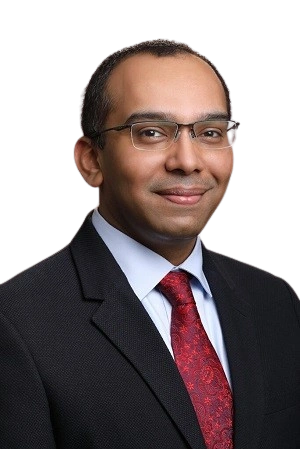
Authored by
Dr. Vidhyadharan Sivakumar
MCh (Head & Neck Surgery), FEB-ORL HNS, MS (ENT) Gold Medal
Clinical Director & Senior Consultant at THANC Hospital, Chennai. Co-Editor of "Comprehensive Management of Head and Neck Cancer" (2021) with 40+ publications. Team Leader for India's first TORS-assisted Total Laryngectomy (2022). 15+ years experience with over 3000 complex surgeries.