Salivary Gland Stones Treatment Chennai | Sialendoscopy
Need expert consultation? Book an appointment with Dr. Vidhyadharan at THANC Hospital.
Book AppointmentSalivary gland stones can cause significant discomfort and disruption to daily life. Fortunately, advancements in medical technology have led to minimally invasive treatments like sialendoscopy, offering effective relief without the need for extensive surgery. In Chennai, Dr. Vidhyadharan Sivakumar at THANC Hospital is a leading expert in performing sialendoscopy for the safe and effective removal of salivary gland stones.
Understanding Salivary Gland Stones (Sialolithiasis)
Salivary gland stones, also known as sialoliths, are calcified masses that form within the salivary glands or their ducts. These stones can block the flow of saliva, leading to pain, swelling, and infection.
Common Causes of Salivary Gland Stones
While the exact cause of salivary gland stones is not always clear, several factors can contribute to their formation:
- Dehydration: Insufficient fluid intake can lead to thicker saliva, increasing the risk of stone formation.
- Salivary Duct Abnormalities: Narrowed or irregular salivary ducts can impede saliva flow.
- Medications: Certain medications can reduce saliva production, increasing the risk.
- Calcium Metabolism Issues: In rare cases, imbalances in calcium metabolism may play a role.
Symptoms to Watch Out For
Recognizing the symptoms of salivary gland stones is crucial for early diagnosis and treatment. Common symptoms include:
- Pain and Swelling: Typically worsens during eating as saliva production increases.
- Tenderness: The affected gland may be tender to the touch.
- Difficulty Swallowing: Especially if the stone is large or located in a major duct.
- Dry Mouth: Reduced saliva flow can lead to a persistent dry mouth sensation.
- Infection: Redness, warmth, and fever may indicate an infection.
If you're experiencing any of these symptoms, early consultation is crucial. Book an appointment with Dr. Vidhyadharan at THANC Hospital, Chennai.
Sialendoscopy: A Minimally Invasive Solution
Sialendoscopy is a revolutionary technique that allows surgeons to visualize and remove salivary gland stones through a small incision, avoiding the need for traditional open surgery.
How Sialendoscopy Works
The procedure involves inserting a tiny endoscope, equipped with a camera and light source, into the salivary duct. This allows the surgeon to locate the stone and use small instruments to grasp, fragment, and remove it.
Benefits of Sialendoscopy Over Open Surgery
Sialendoscopy offers several advantages over traditional open surgery:
- Minimally Invasive: Smaller incisions result in less pain, scarring, and a faster recovery.
- Preservation of Salivary Gland Function: Sialendoscopy aims to preserve the function of the salivary gland, unlike sialadenectomy (surgical removal of the gland).
- Lower Risk of Complications: Reduced risk of nerve damage and other complications associated with open surgery.
- Outpatient Procedure: In many cases, sialendoscopy can be performed on an outpatient basis, allowing patients to return home the same day.
Is Sialendoscopy Right for You?
Sialendoscopy is typically recommended for patients with:
- Small to medium-sized salivary gland stones.
- Stones located in the main salivary ducts.
- Recurrent salivary gland stones.
However, the suitability of sialendoscopy depends on various factors, including the size, location, and number of stones, as well as the overall health of the patient. Dr. Vidhyadharan will conduct a thorough evaluation to determine the best course of treatment.
Dr. Vidhyadharan Sivakumar: Expertise in Sialendoscopy
Dr. Vidhyadharan Sivakumar is an internationally trained Head & Neck Surgical Oncologist with extensive experience in performing sialendoscopy. As Clinical Director & Senior Consultant at THANC Hospital in Chennai, he is dedicated to providing patients with the most advanced and effective treatments for salivary gland disorders.
Dr. Vidhyadharan's Qualifications and Expertise
- MCh (Head & Neck Surgery) - Amrita Institute
- MS (Otorhinolaryngology) - First Mark & Gold Medal - Annamalai University
- Fellow, Indian College of Robotic Surgeons (FICRS)
- Fellow, European Board of Otorhinolaryngology (FEB-ORL HNS)
Dr. Vidhyadharan's expertise in minimally invasive techniques, including sialendoscopy, ensures that patients receive the highest quality of care with optimal outcomes.
A Patient-Centered Approach
Dr. Vidhyadharan believes in a patient-centered approach, taking the time to listen to each patient's concerns and develop a personalized treatment plan that meets their individual needs. He is committed to providing compassionate care and ensuring that patients are well-informed throughout the entire process.
The Sialendoscopy Procedure at THANC Hospital
At THANC Hospital, the sialendoscopy procedure is performed with meticulous attention to detail and the latest technology.
Pre-operative Evaluation
Before the procedure, Dr. Vidhyadharan will conduct a comprehensive evaluation, including:
- Medical History and Physical Examination: To assess the patient's overall health and identify any potential risk factors.
- Imaging Studies: Such as ultrasound, CT scan, or MRI, to determine the size, location, and number of stones.
- Salivary Flow Assessment: To evaluate the function of the salivary glands.
The Sialendoscopy Procedure: Step-by-Step
- Anesthesia: Sialendoscopy can be performed under local or general anesthesia, depending on the complexity of the case and patient preference.
- Duct Dilation: The salivary duct is gently dilated to allow the endoscope to be inserted.
- Visualization: The endoscope is advanced into the duct, providing a clear view of the stone.
- Stone Removal: Small instruments are used to grasp, fragment, or dissolve the stone.
- Duct Irrigation: The duct is thoroughly irrigated to remove any remaining debris.
Post-operative Care and Recovery
After the procedure, patients can expect some mild discomfort and swelling, which can be managed with pain medication. Dr. Vidhyadharan will provide detailed post-operative instructions, including:
- Oral Hygiene: Gentle rinsing with saline solution to keep the mouth clean.
- Diet: Soft foods for the first few days to avoid irritating the salivary glands.
- Hydration: Drinking plenty of fluids to promote saliva flow.
- Follow-up Appointments: To monitor healing and ensure optimal outcomes.
Recovery after sialendoscopy is generally quick, with most patients returning to normal activities within a few days.
Potential Risks and Complications
While sialendoscopy is a safe and effective procedure, like any medical intervention, it carries some potential risks and complications:
- Duct Perforation: Accidental puncture of the salivary duct.
- Infection: Inflammation or infection of the salivary gland.
- Bleeding: Minor bleeding from the incision site.
- Nerve Damage: Rare, but possible, damage to nearby nerves.
- Stricture Formation: Narrowing of the salivary duct.
Dr. Vidhyadharan takes every precaution to minimize these risks and ensure the safety of his patients.
What to Expect After Sialendoscopy: The Recovery Process
The recovery process following sialendoscopy is typically straightforward. Here's a general timeline:
- First Few Days: Mild pain and swelling are common. Pain medication can help manage discomfort. A soft diet is recommended.
- One Week: Most swelling and discomfort should subside. Normal diet can usually be resumed.
- Two Weeks: Complete healing is typically achieved. Follow-up appointment with Dr. Vidhyadharan to assess progress.
Patients often ask about long-term outcomes. In my practice, most patients experience significant relief from their symptoms and a return to normal salivary gland function. Maintaining good hydration and oral hygiene are essential for preventing future stone formation.
Comparing Treatment Options: Sialendoscopy vs. Open Surgery
| Feature | Sialendoscopy | Open Surgery (Sialadenectomy) |
|---|---|---|
| Invasiveness | Minimally invasive | Invasive |
| Incision Size | Small incision (few millimeters) | Larger incision (several centimeters) |
| Scarring | Minimal scarring | More noticeable scar |
| Recovery Time | Faster (days) | Longer (weeks) |
| Gland Preservation | Preserves salivary gland function | Removes the entire salivary gland |
| Complications | Lower risk of nerve damage and other issues | Higher risk of nerve damage and other issues |
| Best For | Small to medium-sized stones in main ducts | Large stones, complex cases, gland damage |
This table highlights the key differences between sialendoscopy and open surgery, emphasizing the advantages of the minimally invasive approach.
THANC Hospital: A Center of Excellence for Head and Neck Care
THANC Hospital (The Head and Neck Centre & Hospital) is a leading medical facility in Chennai specializing in the diagnosis and treatment of head and neck disorders, including salivary gland stones. The hospital is equipped with state-of-the-art technology and staffed by a team of highly skilled medical professionals.
Comprehensive Head and Neck Services
THANC Hospital offers a comprehensive range of services for head and neck disorders, including:
- Diagnosis and Treatment of Head and Neck Cancers: /specialties/head-neck-cancer
- Surgical and Non-Surgical Management of Voice Disorders: /specialties/voice-clinic
- Treatment of Swallowing Disorders: /specialties/swallowing-clinic
- Management of Airway Problems: /specialties/airway-clinic
- Sleep Apnea Surgery: /specialties/sleep-apnea
- Facial Palsy Treatment: /specialties/facial-palsy
- Thyroid and Parathyroid Surgery: /specialties/thyroid-surgery
- Skull Base Surgery: /specialties/skull-base-surgery
State-of-the-Art Technology
THANC Hospital is committed to providing patients with the most advanced and effective treatments. The hospital is equipped with state-of-the-art technology, including:
- High-Definition Endoscopes: For precise visualization during sialendoscopy.
- Advanced Imaging Systems: For accurate diagnosis and treatment planning.
- Operating Rooms: Equipped with the latest surgical equipment.
Schedule Your Consultation Today
Salivary gland stones can be a painful and disruptive condition, but with advanced treatments like sialendoscopy, relief is within reach. Dr. Vidhyadharan Sivakumar at THANC Hospital is dedicated to providing patients in Chennai with the highest quality of care for salivary gland disorders.
For personalized treatment options and expert care, consult Dr. Vidhyadharan Sivakumar at THANC Hospital. Call +91 73059 53378 or book an appointment.
Have questions about your condition? Schedule a consultation with Dr. Vidhyadharan, a fellowship-trained head and neck surgeon with 15+ years of specialist practice.
References
- Marchal F, Dulguerov P. "Sialolithiasis management: an update." Archives of Otolaryngology–Head & Neck Surgery, 2003.
- Koch M, Zenk J, Iro H. "Sialendoscopy for salivary gland disorders." Head & Neck, 2009.
- Nahlieli O, et al. "Sialendoscopy: three years experience with 185 interventions." The Journal of Laryngology & Otology, 2006.
- American Academy of Otolaryngology – Head and Neck Surgery. "Salivary Gland Disorders." https://www.enthealth.org/conditions/salivary-gland-disorders/
- Eveson JW, et al. "WHO Classification of Head and Neck Tumours." World Health Organization, 2017.
- O'Brien CJ, et al. "Surgical management of salivary gland tumours." Australian Society of Otolaryngology Head and Neck Surgery, 2010.
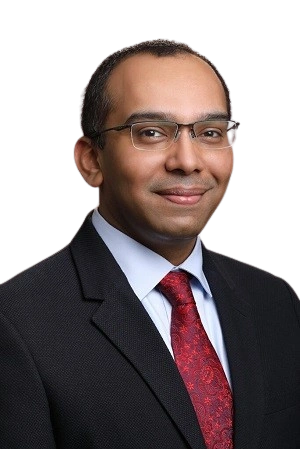
Authored by
Dr. Vidhyadharan Sivakumar
MCh (Head & Neck Surgery), FEB-ORL HNS, MS (ENT) Gold Medal
Clinical Director & Senior Consultant at THANC Hospital, Chennai. Co-Editor of "Comprehensive Management of Head and Neck Cancer" (2021) with 40+ publications. Team Leader for India's first TORS-assisted Total Laryngectomy (2022). 15+ years experience with over 3000 complex surgeries.