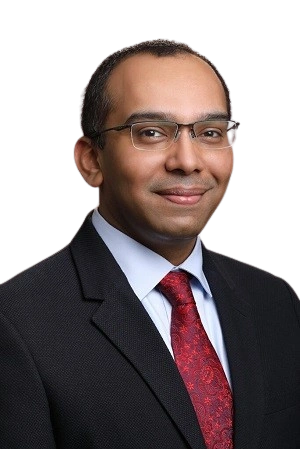
Tongue cancer is one of the most common and potentially devastating oral cancers encountered in India. Whether arising in the mobile oral tongue or the base of tongue deep in the throat, this disease demands a surgeon who can achieve complete cancer removal while preserving the functions that define daily life, speech, swallowing, and taste. At THANC Hospital in Chennai, Dr. Vidhyadharan Sivakumar brings international fellowship training, FICRS-certified robotic surgery expertise, and experience from 3000+ head and neck surgeries to deliver outcomes that balance oncologic cure with functional preservation.
Understanding Tongue Cancer
The tongue is a muscular organ central to speech, swallowing, and taste perception. Anatomically, it is divided into two distinct regions that behave as different clinical entities:
Oral tongue cancer affects the front two-thirds of the tongue, the part visible when you open your mouth. This is classified as an oral cavity cancer and is most commonly treated with surgery as the primary modality. In India, oral tongue cancer is strongly associated with tobacco chewing, smoking, paan consumption, and alcohol use.
Base of tongue cancer affects the posterior one-third, located in the oropharynx behind the circumvallate papillae. Base of tongue cancers are classified as oropharyngeal cancers and are increasingly linked to Human Papillomavirus (HPV) infection globally, though tobacco remains the dominant risk factor in India.
India bears a disproportionate burden of tongue cancer. GLOBOCAN data places India among the countries with the highest incidence of oral cancer worldwide, with tongue cancer constituting approximately 25-30% of all oral malignancies. In Tamil Nadu, the combination of betel quid chewing, tobacco use, and alcohol consumption drives incidence rates significantly above global averages. Critically, many patients in India present at advanced stages (Stage III-IV), which reduces treatment options and worsens outcomes.
Dr. Vidhyadharan's published research in the Indian Journal of Medical Research (IJMR, 2020) on tongue cancer outcomes contributes to the evidence base guiding treatment in the Indian context. His FICRS certification and fellowship training at the Royal Adelaide Hospital, Australia, equip him with robotic surgical expertise particularly relevant for base of tongue tumors accessible via Transoral Robotic Surgery (TORS).
Risk Factors Specific to India
Understanding risk factors is essential for prevention and early detection. The following are firmly established causes of tongue cancer, with several being particularly prevalent in the Indian population:
- Tobacco use is the dominant risk factor. Chewing tobacco, paan with betel nut (gutka, khaini, zarda), and smoking bidis or cigarettes expose the oral mucosa to potent carcinogens. The risk increases with duration and intensity of use.
- Alcohol consumption acts synergistically with tobacco. Combined use of tobacco and alcohol increases risk by 10-15 times compared to non-users.
- Betel quid and areca nut chewing, even without added tobacco, is classified as a Group 1 carcinogen by the WHO International Agency for Research on Cancer (IARC). This habit is deeply embedded in cultural practices across Tamil Nadu and South India.
- Human Papillomavirus (HPV), particularly HPV-16, is an increasingly recognized cause of base of tongue cancer. HPV-positive base of tongue cancers tend to affect younger, non-smoking patients and carry a significantly better prognosis.
- Poor oral hygiene and chronic dental irritation (ill-fitting dentures, sharp teeth) contribute to chronic mucosal trauma and increased risk.
- Dietary deficiency in fresh fruits, vegetables, and micronutrients (vitamins A, C, E, and iron) may increase susceptibility.
- Oral pre-malignant conditions such as leukoplakia, erythroplakia, and oral submucous fibrosis significantly elevate the risk of malignant transformation in the tongue.
Early identification of these risk factors and cessation of tobacco and areca nut use remain the most powerful preventive strategies. For a deeper understanding of early warning signs, read our guide on tongue cancer signs, symptoms, and early detection.
Signs and Symptoms
Recognizing tongue cancer early is critical because early-stage disease (Stage I-II) can be treated with less extensive surgery and carries significantly better survival rates. The following symptoms warrant prompt evaluation:
- A non-healing ulcer or sore on the tongue persisting beyond 3 weeks
- A white patch (leukoplakia) or red patch (erythroplakia) on the tongue surface
- Persistent tongue pain or numbness
- Difficulty moving the tongue or impaired tongue mobility
- Slurred speech or change in speech quality
- Difficulty chewing or swallowing
- Unexplained bleeding from the tongue
- Referred ear pain (otalgia), particularly common with base of tongue tumors
- A lump or thickening felt on the tongue
- A neck mass (enlarged lymph node) as the first presentation
Any of these symptoms persisting beyond two to three weeks, especially in a person with tobacco or alcohol exposure, should prompt an urgent consultation with a head and neck specialist.
Staging and Diagnosis
At THANC Hospital, Dr. Vidhyadharan follows a comprehensive diagnostic protocol to accurately stage tongue cancer and plan optimal treatment:
- Clinical examination with bimanual palpation of the tongue to assess tumor extent and depth of invasion
- Flexible nasopharyngolaryngoscopy to evaluate the base of tongue, oropharynx, and larynx
- Punch biopsy or incisional biopsy for histopathological confirmation
- MRI of the oral cavity and neck: the gold standard imaging for tongue cancer, providing superior soft tissue detail and accurate measurement of depth of invasion (a critical staging parameter since AJCC 8th edition)
- CT scan with contrast of the neck for assessment of lymph node involvement and mandibular bone invasion
- PET-CT scan for advanced cancers to evaluate distant metastasis and detect synchronous tumors
- Ultrasound-guided fine needle aspiration cytology (FNAC) of suspicious neck nodes
Depth of invasion (DOI) has become one of the most important staging parameters in tongue cancer. Under the AJCC 8th edition staging system, DOI directly influences the T-stage classification:
| Depth of Invasion | T-Stage Classification | Clinical Significance |
|---|---|---|
| ≤ 5 mm | T1 (if tumor ≤ 2 cm) | Lower risk of nodal metastasis; conservative surgery often sufficient |
| > 5 mm to ≤ 10 mm | T2 (if tumor ≤ 2 cm) or upstaged | Moderate risk of occult nodal metastasis (~20-25%); elective neck dissection considered |
| > 10 mm | T3 (regardless of tumor size) | High risk of nodal metastasis (~30-40%); neck dissection recommended |
This staging evaluation ensures that every patient receives precisely tailored treatment. Every case is discussed at the multidisciplinary tumor board involving the head and neck surgeon, radiation oncologist, medical oncologist, radiologist, pathologist, and speech-language pathologist.
How Dr. Vidhyadharan Performs Tongue Cancer Surgery
Dr. Vidhyadharan's surgical approach is determined by tumor location, size, stage, and depth of invasion. His MCh in Head and Neck Surgery, European Board Fellowship (FEB-ORL HNS), Chang Gung microsurgical reconstruction fellowship, and FICRS robotic surgery certification provide the technical foundation for the full range of procedures.
Partial Glossectomy
For early-stage oral tongue cancers (T1-T2) with limited depth of invasion, partial glossectomy removes the tumor with a margin of healthy tissue while preserving the majority of the tongue. This can be performed transorally (through the mouth) without external incisions. Speech and swallowing function are typically well preserved, and primary closure or local flap reconstruction is sufficient. Larger resections may need free flap reconstruction to restore tongue bulk and function.
Hemiglossectomy with Reconstruction
When the tumor involves a larger portion of one side of the tongue, hemiglossectomy (removal of approximately half the tongue) is performed. Dr. Vidhyadharan reconstructs the defect using microvascular free tissue transfer, most commonly a radial forearm free flap for its thinness and pliability, which best mimics tongue tissue. His fellowship at Chang Gung Memorial Hospital, Taiwan, under world-renowned microsurgeons, specifically trained him in these techniques.
Near-Total or Total Glossectomy
For advanced oral tongue cancers extending across the midline or involving the floor of mouth, more extensive resection is necessary. Reconstruction employs larger free flaps such as the anterolateral thigh (ALT) flap or rectus abdominis flap to restore tongue bulk. While speech and swallowing outcomes are more significantly affected, Dr. Vidhyadharan's reconstructive expertise ensures the best possible functional rehabilitation.
Transoral Robotic Surgery (TORS) for Base of Tongue Cancer
TORS is particularly suited for base of tongue tumors, which are located deep in the throat and difficult to access through conventional approaches. Using the da Vinci Xi system at THANC Hospital, Dr. Vidhyadharan achieves precise tumor removal through the mouth with 3D magnified visualization and wristed instruments that navigate the tight confines of the oropharynx. TORS avoids the morbidity of mandibulotomy (splitting the jaw) and produces superior swallowing outcomes. Learn more about how speech and swallowing function are preserved in our detailed guide on tongue cancer surgery: preserving speech and swallowing.
Neck Dissection
Tongue cancer frequently metastasizes to cervical lymph nodes. Elective or therapeutic neck dissection is performed simultaneously with the primary tumor resection when indicated. Dr. Vidhyadharan performs nerve-sparing selective neck dissection that targets the lymph node levels at highest risk while preserving the spinal accessory nerve, internal jugular vein, and sternocleidomastoid muscle when oncologically safe.
Surgical Approaches Compared
| Procedure | Indication | Reconstruction | Speech Outcome | Swallowing Outcome | Hospital Stay |
|---|---|---|---|---|---|
| Partial glossectomy | T1-T2, limited DOI | Primary closure or local flap | Excellent | Excellent | 3-5 days |
| Hemiglossectomy | T2-T3, one side | Radial forearm free flap | Good (with therapy) | Good | 7-10 days |
| Near-total/total glossectomy | T3-T4, bilateral | ALT or rectus flap | Impaired (rehabilitation needed) | Modified diet initially | 14-21 days |
| TORS (base of tongue) | T1-T2 oropharyngeal | Primary closure or local flap | Excellent | Excellent | 2-4 days |
| Mandibulotomy approach | T3-T4 base of tongue | Free flap reconstruction | Good (with therapy) | Good | 10-14 days |
What to Expect: The Treatment Journey
Dr. Vidhyadharan and the THANC Hospital team guide patients through a structured treatment pathway:
Week 1, Evaluation and staging: Clinical examination, biopsy, MRI, and additional imaging as required. Results are typically available within 3-5 working days.
Week 2, Tumor board and counseling: Your case is presented at the multidisciplinary tumor board. Dr. Vidhyadharan discusses all treatment options, expected outcomes, and the recommended surgical plan. A pre-operative speech and swallowing assessment establishes baseline function.
Week 2-3, Surgery: The procedure is performed under general anesthesia. For partial glossectomy, patients may resume oral intake within 2-3 days. For larger resections with free flap reconstruction, a nasogastric feeding tube is placed during surgery and oral feeding resumes once the flap is confirmed viable and healing is adequate (typically 7-10 days).
Post-operative rehabilitation: Speech-language pathology begins within the first week after surgery. Structured exercises improve tongue mobility, articulation, and swallowing efficiency. Most patients demonstrate significant improvement over 4-8 weeks.
Follow-up: Visits at 2 weeks, 6 weeks, 3 months, then every 3 months for two years, every 6 months for years 3-5, and annually thereafter, including clinical examination, imaging, and speech-language therapy assessment.
Recovery and Functional Rehabilitation
Recovery after tongue cancer surgery depends on the extent of resection and reconstruction. THANC Hospital's integrated rehabilitation programme is central to achieving the best possible functional outcomes.
Speech rehabilitation begins early. For partial glossectomy patients, speech is usually normal or near-normal within days. After hemiglossectomy with free flap reconstruction, speech therapy focuses on compensatory articulation strategies, and most patients achieve intelligible conversational speech within 6-8 weeks. After total glossectomy, speech rehabilitation is more intensive but still achievable with dedicated therapy.
Swallowing rehabilitation follows a graduated protocol. Patients progress from thin liquids to soft foods to a regular diet under the supervision of a speech-language pathologist who monitors swallowing safety and efficiency. The goal is to restore a normal oral diet whenever possible.
Dental rehabilitation is addressed for patients who require mandibulectomy or lose teeth during surgery. Prosthetic dental rehabilitation, including implant-supported prostheses, is coordinated with the maxillofacial prosthodontist.
Outcomes and Prognosis
Tongue cancer outcomes are strongly stage-dependent, and early detection remains the most powerful determinant of survival:
- Stage I oral tongue cancer treated with surgery achieves 5-year survival rates of 80-90%.
- Stage II has 5-year survival of 65-75%, with depth of invasion influencing prognosis significantly.
- Stage III carries 5-year survival of approximately 50-60%.
- Stage IV has 5-year survival of approximately 30-40%, though outcomes have improved with modern surgical and adjuvant techniques.
- HPV-positive base of tongue cancer has notably better prognosis, with 5-year survival exceeding 80% even in locoregionally advanced disease.
Dr. Vidhyadharan's volume of 3000+ head and neck surgeries reflects the high-volume surgical experience that published evidence consistently associates with improved tongue cancer outcomes, better margin clearance, lower complication rates, and superior functional results.
Why Choose Dr. Vidhyadharan at THANC Hospital
Selecting the right surgeon for tongue cancer is among the most consequential decisions a patient will face. Dr. Vidhyadharan Sivakumar provides a rare combination of specialized training and institutional infrastructure:
- FICRS, Fellow, Indian College of Robotic Surgeons: Certified expertise in robotic surgery with TORS capability for base of tongue tumors, trained at Royal Adelaide Hospital, Australia.
- Chang Gung Memorial Hospital microsurgical fellowship: World-class training in microvascular free flap tongue reconstruction under leading reconstructive surgeons in Taiwan.
- MCh (Head & Neck Surgery) from Amrita Institute: India's premier super-specialty programme in head and neck surgical oncology.
- European Board certification (FEB-ORL HNS): Internationally recognized credential held by very few head and neck surgeons in India.
- IJMR 2020 publication on tongue cancer: Published research contributing to evidence-based treatment of tongue cancer in the Indian context.
- Co-editor, "Comprehensive Management of Head and Neck Cancer" (Jaypee Brothers, 2021): An academic textbook reflecting deep expertise across head and neck oncology.
- 3000+ head and neck surgeries: Surgical volume that translates into superior outcomes.
- Training across 8 countries: A global perspective on best practices in head and neck surgical oncology.
THANC Hospital provides the supporting infrastructure, the da Vinci Xi robotic system, dedicated head and neck operating theatres, in-house speech-language pathology, microvascular surgery capability, and a comprehensive multidisciplinary oncology team. As a specialized oral cancer centre, every system is designed around the specific needs of patients with tongue and other oral cancers.
Treatment Cost and Insurance
Tongue cancer surgery costs in Chennai depend on the extent of resection, type of reconstruction (if needed), neck dissection, hospital stay duration, and room category. As a general framework:
- Partial glossectomy without reconstruction is the least costly, with shorter hospital stays.
- Hemiglossectomy with free flap reconstruction involves microsurgical theatre time and longer hospitalization, increasing costs.
- TORS for base of tongue involves robotic system usage fees, but shorter recovery may offset some of the additional cost.
- Total glossectomy with complex reconstruction carries the highest costs due to surgical complexity and prolonged rehabilitation.
Insurance coverage: Most major health insurance providers in India cover tongue cancer surgery as a listed oncological procedure, including cashless treatment at empanelled hospitals. The patient relations team at THANC Hospital assists with pre-authorization and documentation.
Government schemes: Patients eligible under Ayushman Bharat (AB-PMJAY) or the Tamil Nadu Chief Minister's Comprehensive Health Insurance Scheme (CMCHIS) may access subsidized treatment.
THANC Hospital provides transparent cost estimates during the initial consultation. No patient should delay evaluation due to cost concerns, early-stage treatment is invariably less complex, less costly, and yields better outcomes.
To schedule a consultation with Dr. Vidhyadharan Sivakumar, call +91 73059 53378 or request an appointment online.