Tongue Cancer Surgery in Chennai: Preserving Speech and Swallowing
Need expert consultation? Book an appointment with Dr. Vidhyadharan at THANC Hospital.
Book AppointmentTongue cancer surgery that preserves speech and swallowing function is now achievable with modern surgical techniques in Chennai. Dr. Vidhyadharan Sivakumar, an internationally trained head and neck surgeon (fellowship across 8 countries) at THANC Hospital, Kilpauk, Chennai, specializes in function-preserving tongue cancer surgery using advanced techniques including Transoral Robotic Surgery (TORS). This guide covers tongue cancer types, treatment options, and the specialized care available at THANC Hospital.
Understanding Tongue Cancer
Tongue cancer is a type of head and neck cancer that originates in the cells of the tongue. It can affect the oral tongue (the part you can stick out) or the base of the tongue (oropharynx). Early detection is crucial for successful treatment.
Types of Tongue Cancer
- Squamous Cell Carcinoma (SCC): The most common type, accounting for over 90% of cases. SCC arises from the flat, scale-like cells lining the surface of the tongue.
- Adenocarcinoma: A less common type that originates in the minor salivary glands of the tongue.
- Other Rare Types: These include lymphoma, melanoma, and sarcoma, which are extremely rare in the tongue.
Risk Factors for Tongue Cancer
Several factors can increase the risk of developing tongue cancer:
- Tobacco Use: Smoking cigarettes, cigars, or pipes, as well as chewing tobacco, significantly increases the risk.
- Excessive Alcohol Consumption: Heavy alcohol use is another major risk factor.
- Human Papillomavirus (HPV): Certain strains of HPV, particularly HPV-16, are linked to oropharyngeal cancers, including those at the base of the tongue.
- Poor Oral Hygiene: Chronic irritation and inflammation in the mouth can contribute to cancer development.
- Diet: A diet low in fruits and vegetables may increase the risk.
- Betel Nut Chewing: Common in some parts of Asia, betel nut chewing is a strong risk factor for oral cancers.
Symptoms of Tongue Cancer
Recognizing the symptoms of tongue cancer is essential for early diagnosis and treatment. Common symptoms include:
- A persistent sore or ulcer on the tongue that doesn't heal
- Pain in the tongue or mouth that doesn't go away
- Difficulty swallowing (dysphagia)
- Changes in speech
- A lump or thickening in the tongue
- Numbness in the mouth
- Bleeding from the tongue
- Red or white patches on the tongue
If you experience any of these symptoms for more than two weeks, it's crucial to consult a doctor or dentist for evaluation.
The Importance of Speech and Swallowing Preservation in Tongue Cancer Surgery
One of the primary concerns for patients undergoing tongue cancer surgery is the potential impact on their ability to speak and swallow. The tongue plays a vital role in these functions, and surgery can sometimes affect them. However, with advanced surgical techniques and rehabilitation strategies, it's often possible to preserve or restore these functions.
Why Preservation Matters
- Quality of Life: The ability to communicate and eat comfortably is essential for a good quality of life.
- Nutritional Intake: Difficulty swallowing can lead to malnutrition and weight loss.
- Social Interaction: Speech difficulties can affect social interactions and self-esteem.
Surgical Techniques for Preservation
Surgeons use various techniques to minimize the impact of surgery on speech and swallowing:
- Minimally Invasive Surgery: Techniques like Transoral Robotic Surgery (TORS) allow for precise tumor removal with minimal damage to surrounding tissues.
- Reconstructive Surgery: If a significant portion of the tongue needs to be removed, reconstructive surgery can help restore its shape and function. This may involve using tissue flaps from other parts of the body.
- Selective Neck Dissection: Removing only the lymph nodes that are likely to be affected by cancer can help preserve nerve function and reduce the risk of shoulder weakness.
If you're experiencing a persistent sore on your tongue or difficulty swallowing, early consultation is crucial. Book an appointment with Dr. Vidhyadharan at THANC Hospital, Chennai, or call +91 73059 53378.
Dr. Vidhyadharan Sivakumar: Tongue Cancer Surgery Expertise in Chennai
Dr. Vidhyadharan Sivakumar is a fellowship-trained Head & Neck Surgical Oncologist based in Chennai, India, dedicated to providing personalized surgical care. As Clinical Director & Senior Consultant at THANC Hospital (The Head and Neck Centre & Hospital), Chennai, he brings 15+ years of specialist practice and 3000+ complex surgeries to the treatment of tongue cancer.
Qualifications and Expertise
- MCh (Head & Neck Surgery) - Amrita Institute
- MS (Otorhinolaryngology) - Gold Medal, First Mark - Annamalai University (2009)
- DNB (Otorhinolaryngology)
- MBBS - Sri Ramachandra Medical College
- ASOHNS Clinical Fellowship - Royal Adelaide Hospital, Australia (2016-17)
- Fellow, European Board of Otorhinolaryngology (FEB-ORL HNS, 2018)
- Fellow, Indian College of Robotic Surgeons (FICRS)
- Co-Editor of "Comprehensive Management of Head and Neck Cancer" (Jaypee Brothers, 2021)
- 40+ peer-reviewed publications including The Laryngoscope
- 15+ years specialist practice | 3000+ complex surgeries
Specializations
Dr. Vidhyadharan specializes in a wide range of head and neck surgeries, including:
- Head & Neck Cancer Surgery (Throat, Tongue, Oral, Laryngeal)
- Transoral Robotic Surgery (TORS) - da Vinci Robotic System
- Skull Base Surgery
- Thyroid & Parathyroid Surgery
- Voice Disorders (Hoarseness, Vocal Cord Issues)
- Swallowing Disorders (Dysphagia)
- Airway Management
- Sleep Apnea Surgery (DISE, Multi-level Surgery)
- Salivary Gland Tumors (Parotid, Submandibular)
- Facial Palsy Treatment & Laryngeal Reinnervation
Key Achievements
Dr. Vidhyadharan is a pioneer in the field of head and neck surgery, with several notable achievements:
- India's First TORS-assisted Total Laryngectomy (2022)
- World's First Endo-Robotic Surgery Team Member (2023)
- Rising Star Award in Onco-Phagosurgery (2019)
- 40+ peer-reviewed publications including The Laryngoscope
- 7+ book chapters including Stell & Maran's Textbook 6th Edition
- Trained across 8 countries (Australia, Taiwan, Singapore, Korea, Canada, etc.)
A Patient-Centric Approach
Dr. Vidhyadharan is committed to providing personalized care to each patient. He takes the time to understand their individual needs and concerns, and he works closely with them to develop a treatment plan that is tailored to their specific situation. His practice prioritizes open communication and shared decision-making to ensure that patients feel empowered and informed throughout their treatment journey.
Treatment Options for Tongue Cancer
The treatment of tongue cancer depends on several factors, including the stage and location of the cancer, as well as the patient's overall health. Common treatment options include surgery, radiation therapy, chemotherapy, and targeted therapy.
Surgery
Surgery is often the primary treatment for tongue cancer, especially in the early stages. The goal of surgery is to remove the cancerous tissue along with a margin of healthy tissue. The extent of the surgery depends on the size and location of the tumor.
- Partial Glossectomy: Removal of a portion of the tongue.
- Total Glossectomy: Removal of the entire tongue. This is rare and typically requires reconstructive surgery.
- Neck Dissection: Removal of lymph nodes in the neck to check for cancer spread.
Radiation Therapy
Radiation therapy uses high-energy rays to kill cancer cells. It may be used as the primary treatment for early-stage tongue cancer or as an adjuvant treatment after surgery to kill any remaining cancer cells.
- External Beam Radiation Therapy (EBRT): Radiation is delivered from a machine outside the body.
- Brachytherapy: Radioactive seeds or wires are placed directly into the tumor.
Chemotherapy
Chemotherapy uses drugs to kill cancer cells throughout the body. It may be used in combination with surgery or radiation therapy for more advanced tongue cancer.
Targeted Therapy
Targeted therapy uses drugs that specifically target cancer cells, minimizing damage to healthy cells. It may be used for certain types of tongue cancer.
Immunotherapy
Immunotherapy drugs help your immune system fight the cancer. They are usually reserved for advanced cases when other treatments don't work.
Multidisciplinary Approach
The best treatment approach for tongue cancer often involves a combination of these therapies. A multidisciplinary team of specialists, including surgeons, radiation oncologists, medical oncologists, and speech therapists, works together to develop a comprehensive treatment plan.
Transoral Robotic Surgery (TORS) for Tongue Cancer
Transoral Robotic Surgery (TORS) is a minimally invasive surgical technique that uses a robot to remove tumors from the mouth and throat. Dr. Vidhyadharan Sivakumar is a pioneer in TORS and offers this advanced treatment option at THANC Hospital in Chennai.
How TORS Works
TORS uses a high-definition 3D camera and tiny surgical instruments that are controlled by a surgeon at a console. The robot allows the surgeon to access hard-to-reach areas with greater precision and control than traditional open surgery.
Benefits of TORS
- Minimally Invasive: Smaller incisions and less tissue damage.
- Improved Precision: Enhanced visualization and control.
- Faster Recovery: Shorter hospital stays and quicker return to normal activities.
- Reduced Scarring: Minimal scarring compared to open surgery.
- Preservation of Function: Greater potential to preserve speech and swallowing function.
TORS at THANC Hospital
THANC Hospital is equipped with the latest da Vinci robotic system, and Dr. Vidhyadharan has extensive experience in performing TORS for tongue cancer. He has successfully treated numerous patients with TORS, achieving excellent outcomes and preserving their quality of life.
Rehabilitation After Tongue Cancer Surgery
Rehabilitation is an important part of the treatment process for tongue cancer. It helps patients regain their speech, swallowing, and overall function.
Speech Therapy
Speech therapy can help patients improve their speech clarity, articulation, and voice quality. A speech therapist can also teach patients strategies to compensate for any speech difficulties they may experience.
Swallowing Therapy
Swallowing therapy can help patients improve their ability to swallow safely and efficiently. A swallowing therapist can teach patients exercises to strengthen the muscles involved in swallowing and strategies to prevent aspiration (food or liquid going into the lungs).
Physical Therapy
Physical therapy can help patients regain their strength and range of motion after surgery. It may also be necessary if a neck dissection was performed, to address any shoulder weakness or stiffness.
Nutritional Support
Nutritional support is essential to ensure that patients receive adequate nutrition during and after treatment. A registered dietitian can help patients develop a meal plan that meets their individual needs and addresses any swallowing difficulties they may have.
THANC Hospital: Your Destination for Expert Tongue Cancer Care in Chennai
THANC Hospital (The Head and Neck Centre & Hospital) is a specialized center for head and neck cancer care in Chennai, serving patients from Anna Nagar, Kilpauk, Nungambakkam, T. Nagar, and across Tamil Nadu. Led by Dr. Vidhyadharan Sivakumar, the hospital offers comprehensive services for the diagnosis, treatment, and rehabilitation of tongue cancer.
Comprehensive Services
- Advanced Diagnostic Imaging: State-of-the-art imaging technology for accurate diagnosis and staging.
- Multidisciplinary Team: A team of experienced surgeons, oncologists, radiation therapists, speech therapists, and other specialists.
- Minimally Invasive Surgery: TORS and other minimally invasive techniques.
- Reconstructive Surgery: Advanced reconstructive options to restore function and appearance.
- Comprehensive Rehabilitation: Speech therapy, swallowing therapy, physical therapy, and nutritional support.
Location and Contact Information
THANC Hospital (The Head and Neck Centre & Hospital) 747, Poonamallee High Road, Kilpauk, Chennai - 600010 Phone: +91 73059 53378
For personalized treatment options, consult Dr. Vidhyadharan Sivakumar at THANC Hospital. Call +91 73059 53378 or request an appointment online.
Conclusion
Tongue cancer surgery that preserves speech and swallowing function requires surgical precision and multidisciplinary rehabilitation. With the expertise of Dr. Vidhyadharan Sivakumar and the comprehensive care available at THANC Hospital in Chennai, patients can achieve excellent outcomes and maintain a high quality of life. Early detection, advanced surgical techniques, and comprehensive rehabilitation are key to successful treatment. If you or a loved one is facing a diagnosis of tongue cancer, don't hesitate to seek expert care.
Related reading:
- Oral Cancer Warning Signs and Symptoms in India
- Swallowing Disorders and Dysphagia Treatment
- Robotic Surgery (TORS) Explained
References
- National Cancer Institute. "Oral Cavity, Pharyngeal, and Laryngeal Cancers Treatment (PDQ®)–Patient Version." 2023. https://www.cancer.gov/types/head-and-neck/patient/oral-cancer-treatment-pdq
- American Cancer Society. "Oral Cavity and Oropharyngeal Cancer." 2023. https://www.cancer.org/cancer/oral-cavity-and-oropharyngeal-cancer.html
- NCCN Guidelines. "Head and Neck Cancers." Version 1.2024. https://www.nccn.org/guidelines/guidelines-detail?category=1&id=1419
- O'Malley, B. W., Jr., et al. "Transoral robotic surgery (TORS) for base of tongue neoplasms." The Laryngoscope, 2006.
- World Health Organization. "Cancer." https://www.who.int/news-room/fact-sheets/detail/cancer
- Mayo Clinic. "Tongue cancer." https://www.mayoclinic.org/diseases-conditions/tongue-cancer/symptoms-causes/syc-20378428
- Cleveland Clinic. "Tongue Cancer." https://my.clevelandclinic.org/health/diseases/12220-tongue-cancer
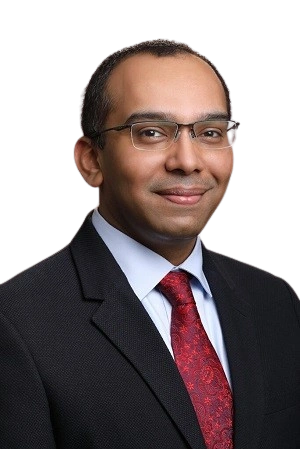
Authored by
Dr. Vidhyadharan Sivakumar
MCh (Head & Neck Surgery), FEB-ORL HNS, MS (ENT) Gold Medal
Clinical Director & Senior Consultant at THANC Hospital, Chennai. Co-Editor of "Comprehensive Management of Head and Neck Cancer" (2021) with 40+ publications. Team Leader for India's first TORS-assisted Total Laryngectomy (2022). 15+ years experience with over 3000 complex surgeries.