Life After Feeding Tube: Cancer Swallowing Rehabilitation Guide
Need expert consultation? Book an appointment with Dr. Vidhyadharan at THANC Hospital.
Book AppointmentFor many head and neck cancer survivors, the feeding tube represents both a lifeline and a daily reminder of their battle. While it provides essential nutrition during and after treatment, the question that weighs on every patient's mind is: "Will I ever eat normally again?"
In over 20 years of treating head and neck cancer, this is the question I hear most often, from patients and their families. And the answer, more often than people expect, is yes. At THANC Hospital in Kilpauk, Chennai, our structured, evidence-based cancer swallowing rehabilitation program has achieved an 80% decannulation and feeding tube removal success rate in eligible patients. Behind that number are real patients who went from being told they would never eat again to sharing meals with their families.
This guide walks you through the journey from feeding tube dependence to oral eating, the science behind safe tube removal, and how our multidisciplinary approach helps patients reclaim one of life's most fundamental pleasures.
Why Feeding Tubes Are Necessary After Cancer Treatment
Head and neck cancers and their treatments, surgery, radiation, and chemotherapy, can profoundly affect the complex swallowing mechanism. A feeding tube (nasogastric or PEG tube) is often placed to ensure adequate nutrition when:
- Surgery has altered or removed structures involved in swallowing, such as parts of the tongue, palate, pharynx, or larynx
- Radiation therapy has caused mucositis (painful inflammation of the mouth and throat lining), making oral intake excruciating
- Combined chemoradiation has caused severe nausea, taste changes, and oral pain
- Aspiration risk is high, meaning food or liquid could enter the airway and cause pneumonia
While the feeding tube is medically necessary during this phase, the goal from day one is to work toward its eventual removal through systematic swallowing rehabilitation. This is a critical point I emphasize to every cancer patient at THANC Hospital: swallowing rehabilitation doesn't start after treatment, it starts alongside treatment. Patients who begin prophylactic swallowing exercises during their radiation course consistently have better outcomes than those who wait.
Dr. Vidhyadharan's 80% Decannulation Success Rate
At THANC Hospital, Dr. Vidhyadharan Sivakumar has developed a structured rehabilitation protocol that achieves an 80% success rate in feeding tube removal and decannulation among eligible patients. This outcome is made possible by:
- Early initiation of swallowing rehabilitation, often beginning during cancer treatment itself
- FEES-guided objective assessment at every stage of recovery
- Multidisciplinary coordination between the surgeon, speech-language pathologist, dietitian, and physiotherapist
- Individualized, graduated protocols that respect each patient's unique anatomy and recovery trajectory
- Over 20 years of experience treating complex head and neck cancer cases, with training across 8 countries
This success rate reflects a commitment to giving every patient the best possible chance of returning to oral feeding, safely and sustainably.
The FEES-Guided Readiness Assessment
One of the cornerstones of safe feeding tube removal is Flexible Endoscopic Evaluation of Swallowing (FEES). Unlike subjective bedside assessments, FEES provides direct visualization of the swallowing mechanism, allowing Dr. Vidhyadharan's team to make evidence-based decisions about tube removal readiness.
What FEES Reveals
- Airway protection: Whether the larynx closes adequately during swallowing to prevent aspiration
- Pharyngeal residue: Whether food remains stuck in the throat after swallowing, indicating incomplete clearance
- Sensation: Whether the throat tissues can detect food or liquid, triggering appropriate protective reflexes
- Structural changes: Post-surgical or post-radiation alterations that affect swallowing dynamics
- Secretion management: Whether the patient can manage their own saliva effectively
FEES Advantages Over Other Assessments
- No radiation exposure, allowing repeated evaluations
- Can be performed at the bedside or in the clinic
- Provides real-time biofeedback to the patient
- Enables testing of multiple food consistencies in a single session
- Directly visualizes the effectiveness of compensatory swallowing strategies
At THANC Hospital, FEES is performed at multiple points throughout the rehabilitation journey, before initiating oral trials, during the graduated feeding protocol, and before final tube removal, ensuring patient safety at every step.
The Graduated Oral Feeding Protocol
Transitioning from tube feeding to oral eating is not a single event, it is a carefully staged process. Dr. Vidhyadharan's graduated protocol ensures that each step is taken only when the patient has demonstrated readiness.
Stage 1: Therapeutic Swallowing Exercises
Before any food is introduced, the rehabilitation team focuses on strengthening the swallowing muscles and improving coordination through targeted exercises:
- Tongue strengthening exercises to improve bolus control and propulsion
- Effortful swallow technique to increase pharyngeal pressure during swallowing
- Mendelsohn maneuver to prolong laryngeal elevation and improve upper esophageal sphincter opening
- Shaker exercise (head-lifting exercise) to strengthen the muscles that open the upper esophageal sphincter
- Supraglottic swallow to enhance airway protection during swallowing
Stage 2: Modified Consistency Trials
Once FEES confirms adequate swallowing safety, the team introduces:
- Ice chips and small sips of water to assess basic oral tolerance
- Puree-consistency foods to provide a safe starting point
- Thickened liquids to slow the flow of liquid and reduce aspiration risk
Stage 3: Gradual Texture Advancement
As swallowing function improves, the diet is advanced:
- Soft, moist foods that require minimal chewing
- Regular-consistency foods introduced progressively
- Thin liquids reintroduced as airway protection improves
Stage 4: Tube Weaning and Removal
- Tube feeds are gradually reduced as oral intake increases
- Caloric and nutritional adequacy is monitored by the dietitian
- Final FEES confirms safe swallowing across all consistencies
- The feeding tube is removed when the patient can maintain adequate nutrition orally
Have questions about your condition? For personalized treatment options and expert care, consult Dr. Vidhyadharan Sivakumar at THANC Hospital. Call +91 73059 53378 or book an appointment.
Managing Post-Radiation Fibrosis
Radiation therapy, while effective against cancer, can cause significant fibrosis, scarring and stiffening of the muscles and tissues involved in swallowing. This is one of the most challenging obstacles in swallowing rehabilitation.
How Radiation Fibrosis Affects Swallowing
- Reduced tongue mobility makes it difficult to move food within the mouth
- Decreased pharyngeal contraction weakens the swallowing "squeeze" that pushes food toward the esophagus
- Trismus (limited mouth opening) restricts the ability to take in food
- Esophageal stricture narrows the food passage, causing food to get stuck
- Xerostomia (dry mouth) reduces lubrication, making swallowing painful and inefficient
Dr. Vidhyadharan's Approach to Fibrosis Management
- Prophylactic exercises: Starting swallowing exercises during radiation treatment to minimize future fibrosis
- Stretching protocols: Systematic jaw and tongue stretching to maintain range of motion
- Dilation procedures: Endoscopic dilation for esophageal strictures when conservative measures are insufficient
- Saliva management strategies: Including oral moisturizers, hydration protocols, and medication adjustments
- Long-term exercise programs: Ongoing exercises to prevent progressive fibrosis
Post-Surgical Swallowing Adaptation
Patients who have undergone surgery for head and neck cancer face unique swallowing challenges depending on the structures that were removed or reconstructed.
Common Surgical Scenarios
- Partial glossectomy (tongue surgery): Requires relearning how to control and propel food with the remaining tongue
- Pharyngeal resection: Demands adaptation to a narrower or reconstructed swallowing passage
- Laryngectomy: Separates the airway from the food passage, eliminating aspiration risk but requiring adaptation to a new swallowing anatomy
- Free flap reconstruction: Involves adapting to reconstructed tissue that may have different sensation and mobility than native tissue
Dr. Vidhyadharan's extensive experience in head and neck cancer surgery, with over 3000 complex surgeries performed, enables him to plan surgical approaches that optimize post-operative swallowing outcomes. His surgical technique considers rehabilitation from the outset, preserving as much functional tissue as possible.
The Tracheostomy Decannulation Process
Many head and neck cancer patients have a tracheostomy (a breathing tube placed through the neck) in addition to a feeding tube. Decannulation, the removal of this tracheostomy tube, is a milestone that requires careful evaluation.
Steps in the Decannulation Process
- Airway assessment: Endoscopic evaluation to confirm the airway is patent (open) and adequate
- Cuff deflation trials: Gradually deflating the tracheostomy tube cuff to allow air to pass through the natural airway
- Speaking valve trials: Placing a one-way speaking valve on the tracheostomy to restore voice and assess tolerance
- Tube downsizing: Progressively reducing the size of the tracheostomy tube
- Capping trials: Blocking the tracheostomy tube to assess the patient's ability to breathe entirely through the natural airway
- Decannulation: Final removal of the tracheostomy tube once the patient has demonstrated safe, independent breathing
Dr. Vidhyadharan's 80% decannulation success rate reflects a methodical, patient-centered approach that prioritizes safety while working toward independence.
Nutritional Monitoring During the Transition
The period between tube feeding and full oral feeding is nutritionally vulnerable. Dr. Vidhyadharan's team includes a dedicated dietitian who monitors:
- Daily caloric intake to ensure energy needs are met during the transition
- Protein intake to support tissue healing and muscle recovery
- Micronutrient levels including iron, vitamin D, B12, and zinc, commonly deficient after cancer treatment
- Hydration status to prevent dehydration, especially in patients with xerostomia
- Weight trends to detect early signs of nutritional decline
The tube feeds are only reduced in proportion to the oral intake achieved, ensuring the patient is never nutritionally compromised during the transition.
The Psychological Journey: From Tube Dependence to Oral Freedom
The emotional dimension of living with a feeding tube is often underestimated. For many patients, the feeding tube becomes intertwined with their identity as a cancer survivor, and the prospect of its removal can evoke both hope and anxiety.
Common Psychological Challenges
- Loss of social dining: Meals are deeply social activities, and tube dependence can cause isolation and withdrawal from family gatherings
- Fear of choking: Even after swallowing is objectively safe, the fear of choking can be paralyzing
- Identity and self-image: The visible feeding tube can affect self-esteem and how patients perceive themselves
- Anxiety about tube removal: Paradoxically, some patients develop anxiety about removing the tube that has kept them alive, a phenomenon called "tube dependence"
- Grief over lost function: Mourning the ability to taste and enjoy food as they once did
How THANC Hospital Addresses the Emotional Journey
- Counseling and psychological support integrated into the rehabilitation program
- Gradual exposure to oral feeding to build confidence incrementally
- FEES-based reassurance: showing patients the visual evidence that their swallowing is safe
- Peer support: connecting current patients with those who have successfully completed the journey
- Family education: helping loved ones understand the emotional challenges and provide appropriate support
In my experience, addressing these psychological aspects is just as important as the physical rehabilitation. I recall a patient who was swallowing safely on FEES, objectively ready for tube removal, but was terrified of choking. We spent two additional weeks doing FEES-guided biofeedback sessions, showing him on screen that his swallowing was working. Seeing the evidence himself gave him the confidence to eat. A patient who is emotionally ready for tube removal recovers more confidently and sustainably.
Success Stories Framework
While patient confidentiality is paramount, the patterns of recovery at THANC Hospital are encouraging:
- Post-radiation patients who began prophylactic swallowing exercises during treatment have shown faster tube removal timelines
- Post-surgical patients who underwent reconstruction by Dr. Vidhyadharan's team have demonstrated strong adaptation to their new swallowing anatomy
- Patients with combined tube and tracheostomy dependence have achieved dual decannulation (removal of both tubes) through the structured protocol
- Elderly patients who were considered unlikely candidates for tube removal have surprised expectations with dedicated rehabilitation
These outcomes reinforce something I tell every patient at their first consultation: do not give up on the possibility of oral feeding. Even if you have been told elsewhere that tube removal isn't possible, a FEES-based reassessment at THANC Hospital may reveal a different picture. We regularly receive referrals from oncologists and surgeons across Tamil Nadu, Kerala, and Andhra Pradesh for second opinions on decannulation readiness.
Why Choose THANC Hospital for Cancer Swallowing Rehabilitation
Dr. Vidhyadharan Sivakumar brings an unparalleled combination of surgical expertise and rehabilitation commitment to cancer swallowing care at THANC Hospital:
- MCh (Head & Neck Surgery): Amrita Institute
- MS (Otorhinolaryngology): Gold Medal, Annamalai University
- DNB (ENT): National Board certification
- FICRS: Fellow, Indian College of Robotic Surgeons
- FEB-ORL HNS: Fellow, European Board of Otorhinolaryngology (2018)
- ASOHNS Clinical Fellowship: Royal Adelaide Hospital, Australia
- 15+ years specialist practice | 3000+ complex surgeries | Training across 8 countries
- 80% decannulation success rate in eligible patients
- Multidisciplinary team: surgeon, SLP, dietitian, physiotherapist, and psychologist working in coordination
- India's First TORS-assisted Total Laryngectomy (2022): demonstrating commitment to minimally invasive, function-preserving surgery
Learn more about the comprehensive Swallowing Clinic at THANC Hospital and the Head and Neck Cancer program.
Conclusion: The Road Back to Oral Eating
Coming off the feeding tube after cancer treatment is not just a medical milestone, it is a deeply personal victory. It represents the restoration of something fundamental: the ability to nourish oneself, to share a meal with family, to taste the foods that bring comfort and joy.
At THANC Hospital, Dr. Vidhyadharan Sivakumar and his multidisciplinary team are committed to giving every eligible patient the best possible chance of achieving this goal. With an 80% decannulation success rate, FEES-guided rehabilitation, and a compassionate approach that addresses both the physical and emotional dimensions of recovery, THANC Hospital stands as a center of excellence for cancer swallowing rehabilitation in Chennai.
If you or a loved one is living with a feeding tube after cancer treatment, know that the journey toward oral eating is possible, and you do not have to walk it alone. Whether you were treated at THANC Hospital or elsewhere, our rehabilitation program is open to all patients. We coordinate with your treating oncologist and surgeon to ensure a seamless transition into rehabilitation.
For personalized treatment options and expert care, consult Dr. Vidhyadharan Sivakumar at THANC Hospital, Kilpauk, Chennai, easily accessible from Anna Nagar, Nungambakkam, Egmore, and T. Nagar. For patients travelling from other cities in Tamil Nadu or neighbouring states, we can arrange comprehensive assessments to minimize the number of visits. Call +91 73059 53378 or book an appointment.
Related Resources
- Swallowing Clinic at THANC Hospital
- Head and Neck Cancer Treatment
- Life After Head & Neck Cancer: Recovery Guide
- Swallowing Disorders Treatment Chennai
- Throat Cancer Symptoms
References
- Hutcheson, K. A., et al. "Eat and exercise during radiotherapy or chemoradiotherapy for pharyngeal cancers: use it or lose it." JAMA Otolaryngology, Head & Neck Surgery, vol. 139, no. 11, 2013, pp. 1127-1134.
- Langmore, S. E., et al. "Predictors of aspiration pneumonia in nursing home residents." Dysphagia, vol. 17, no. 4, 2002, pp. 298-307.
- Roe, J. W. G., et al. "Swallowing outcomes following Intensity Modulated Radiation Therapy (IMRT) for head & neck cancer, a systematic review." Oral Oncology, vol. 46, no. 10, 2010, pp. 727-733.
- Clavé, P., and Shaker, R. "Dysphagia: current reality and scope of the problem." Nature Reviews Gastroenterology & Hepatology, vol. 12, no. 5, 2015, pp. 259-270.
- American Speech-Language-Hearing Association (ASHA). "Adult Dysphagia." https://www.asha.org/practice-portal/clinical-topics/adult-dysphagia/
- Starmer, H. M., et al. "Pretreatment swallowing assessment in head and neck cancer patients." The Laryngoscope, vol. 124, no. 8, 2014, pp. 1858-1863.
- NCCN Guidelines. "Head and Neck Cancers, Survivorship and Rehabilitation." Version 2.2024.
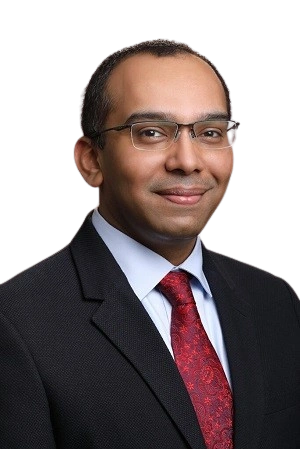
Authored by
Dr. Vidhyadharan Sivakumar
MCh (Head & Neck Surgery), FEB-ORL HNS, MS (ENT) Gold Medal
Clinical Director & Senior Consultant at THANC Hospital, Chennai. Co-Editor of "Comprehensive Management of Head and Neck Cancer" (2021) with 40+ publications. Team Leader for India's first TORS-assisted Total Laryngectomy (2022). 15+ years experience with over 3000 complex surgeries.