Free Flap Surgery Chennai | Jaw Reconstruction Expert
Need expert consultation? Book an appointment with Dr. Vidhyadharan at THANC Hospital.
Book AppointmentFree Flap Reconstruction After Head and Neck Cancer Jaw Reconstruction Surgery in Chennai
Head and neck cancer can often necessitate surgical removal of tumors, which can lead to significant defects, particularly in the jaw. Free flap reconstruction after head neck cancer jaw reconstruction surgery Chennai is a sophisticated surgical technique used to restore both function and aesthetics in patients who have undergone such procedures. This blog post will delve into the details of free flap reconstruction, its benefits, the procedure itself, and why it's a crucial part of comprehensive head and neck cancer care, particularly in Chennai.
Understanding Free Flap Reconstruction
Free flap reconstruction involves transferring living tissue from one part of the body (the donor site) to the head and neck area to reconstruct defects created by tumor removal. This tissue, along with its blood vessels, is carefully detached and transplanted to the recipient site. The blood vessels are then meticulously connected to the blood vessels in the head and neck using microsurgery to ensure the flap remains viable and functional.
Why is Free Flap Reconstruction Necessary?
In my practice, I've seen firsthand how head and neck cancer surgery can impact a patient's quality of life. Free flap reconstruction is often necessary to:
- Restore structural integrity: Rebuilding the jawbone, palate, or other facial structures.
- Improve function: Enabling proper speech, swallowing, and chewing.
- Enhance aesthetics: Restoring a more natural appearance, which can significantly boost self-esteem.
- Promote wound healing: Providing well-vascularized tissue to aid in healing and reduce the risk of complications.
Types of Free Flaps Used in Head and Neck Reconstruction
Several types of free flaps can be used for head and neck reconstruction, each with its own advantages and suitability for different defects. Some of the most common include:
- Radial Forearm Free Flap (RFFF): This flap consists of skin and subcutaneous tissue from the forearm. It's versatile and relatively thin, making it ideal for lining the oral cavity or reconstructing the tongue.
- Fibula Free Flap: This flap involves a segment of the fibula bone (from the lower leg) along with overlying skin and muscle. It's the gold standard for jawbone reconstruction due to its bony component and ability to support dental implants.
- Anterolateral Thigh (ALT) Free Flap: This flap consists of skin and subcutaneous tissue from the outer thigh. It's a versatile flap that can be used for a variety of soft tissue defects in the head and neck.
- Latissimus Dorsi Free Flap: This flap involves muscle and skin from the back. It's a larger flap that's often used for filling larger defects or providing bulk to the reconstructed area.
The choice of flap depends on the size and location of the defect, the patient's overall health, and the surgeon's preference. In my practice, I carefully evaluate each patient to determine the most appropriate flap for their individual needs.
The Free Flap Reconstruction Procedure: A Step-by-Step Guide
The free flap reconstruction procedure is a complex and multi-stage process that requires meticulous planning and execution. Here's a general overview:
- Preoperative Planning: This involves a thorough evaluation of the patient's medical history, physical examination, and imaging studies (CT scans, MRI). The surgeon determines the extent of the defect, selects the appropriate flap, and plans the surgical approach.
- Tumor Resection: The cancerous tissue is surgically removed, ensuring clear margins to prevent recurrence. This step is crucial for long-term cancer control.
- Flap Harvest: The selected free flap is carefully harvested from the donor site, preserving its blood supply (artery and vein).
- Flap Transfer and Anastomosis: The flap is transferred to the head and neck region, and the blood vessels of the flap are connected to the recipient blood vessels in the neck using microsurgical techniques. This anastomosis (connection) is critical for ensuring the flap receives adequate blood supply.
- Flap Shaping and Fixation: The flap is shaped and contoured to fit the defect and is secured in place with sutures or plates and screws. In the case of jaw reconstruction with a fibula flap, the bone is shaped to resemble the original jawbone.
- Wound Closure: The donor site and recipient site are carefully closed with sutures. A drain may be placed to remove excess fluid.
Transoral Robotic Surgery (TORS) in Free Flap Planning
In select cases, Transoral Robotic Surgery (TORS) can assist in the initial tumor removal, potentially minimizing the extent of the defect and simplifying the subsequent reconstruction. As a fellow of the Indian College of Robotic Surgeons (FICRS) and having been part of the World's First Endo-Robotic Surgery Team Member (2023), I leverage robotic techniques when appropriate to enhance precision and minimize invasiveness.
Benefits of Free Flap Reconstruction
Free flap reconstruction offers numerous benefits compared to other reconstructive options:
- Superior Functional Outcomes: Free flaps provide well-vascularized tissue that can restore function, such as speech, swallowing, and chewing, more effectively than other methods.
- Improved Aesthetic Results: Free flaps allow for more precise reconstruction of facial contours, leading to better aesthetic outcomes.
- Enhanced Wound Healing: The rich blood supply of free flaps promotes faster and more reliable wound healing, reducing the risk of complications.
- Versatility: Free flaps can be tailored to reconstruct a wide variety of defects, from small soft tissue defects to large composite defects involving bone, skin, and muscle.
- Reduced Risk of Contracture: Free flaps are less likely to contract compared to skin grafts, leading to better long-term functional and aesthetic results.
Potential Risks and Complications
While free flap reconstruction is a highly successful procedure, it's essential to be aware of potential risks and complications:
- Flap Failure: This is the most serious complication, occurring when the blood supply to the flap is compromised. It requires immediate surgical intervention.
- Infection: Infections can occur at the donor site or recipient site. Antibiotics are used to treat infections.
- Bleeding: Bleeding can occur at the donor site or recipient site.
- Wound Healing Problems: Wound breakdown or delayed healing can occur, especially in patients with poor nutrition or underlying medical conditions.
- Donor Site Morbidity: This refers to complications at the donor site, such as pain, numbness, or weakness.
- Anesthesia-Related Complications: As with any surgical procedure, there are risks associated with anesthesia.
Careful surgical technique, meticulous post-operative monitoring, and prompt management of any complications can minimize these risks.
Recovery After Free Flap Reconstruction
The recovery period after free flap reconstruction can vary depending on the complexity of the procedure and the patient's overall health. Here's what to expect:
- Hospital Stay: Typically lasts 7-14 days.
- Monitoring: Close monitoring of the flap's blood supply is crucial in the first few days after surgery.
- Pain Management: Pain medication is provided to manage discomfort.
- Nutrition: Patients may require a feeding tube initially to ensure adequate nutrition.
- Physical Therapy: Physical therapy and speech therapy (if needed) are started early to restore function.
- Wound Care: Regular wound care is essential to prevent infection and promote healing.
- Follow-up: Regular follow-up appointments are necessary to monitor the reconstruction and address any concerns.
Patients often ask about the long-term outlook after free flap reconstruction. With proper care and rehabilitation, most patients can achieve excellent functional and aesthetic outcomes, significantly improving their quality of life.
Free Flap Reconstruction in Chennai: Expertise at THANC Hospital
If you're considering free flap reconstruction after head neck cancer jaw reconstruction surgery Chennai, it's essential to choose a surgeon with extensive experience and expertise in this complex procedure.
At THANC Hospital (The Head and Neck Centre & Hospital) in Chennai, I, Dr. Vidhyadharan Sivakumar, offer comprehensive free flap reconstruction services. With my extensive training across 8 countries and over 20 years of experience in head and neck surgery, I am committed to providing the highest quality care to my patients. My qualifications include MCh (Head & Neck Surgery) from Amrita Institute, MS (Otorhinolaryngology) - First Mark & Gold Medal - Annamalai University (2009), and Fellowship from the Indian College of Robotic Surgeons (FICRS).
THANC Hospital is equipped with state-of-the-art technology and a dedicated team of healthcare professionals to ensure the best possible outcomes for our patients.
Why Choose THANC Hospital for Free Flap Reconstruction?
- Expertise: Dr. Vidhyadharan Sivakumar is an internationally trained head and neck surgeon with extensive experience in free flap reconstruction.
- Comprehensive Care: We offer a full range of services, from diagnosis and treatment to rehabilitation and long-term follow-up.
- State-of-the-Art Technology: THANC Hospital is equipped with the latest technology to ensure the best possible outcomes.
- Patient-Centered Approach: We are committed to providing personalized care that meets the unique needs of each patient.
Factors Affecting Free Flap Reconstruction Cost in Chennai
The cost of free flap reconstruction depends on several factors unique to each patient's case. The type of flap selected (fibula flap for bony reconstruction vs. radial forearm or ALT flap for soft tissue) significantly influences surgical complexity and duration. Extended hospital stays of 7-14 days, including ICU monitoring in the initial post-operative period, along with room category, pre-operative imaging (CT angiography, dental assessment), and post-operative rehabilitation (speech therapy, physiotherapy, dental implants) all contribute to the overall cost. Most health insurance policies cover reconstructive surgery when medically necessary after cancer treatment. Contact THANC Hospital for a personalized cost assessment based on your specific diagnosis.
Making the Decision: Is Free Flap Reconstruction Right for You?
Deciding whether to undergo free flap reconstruction is a significant decision. It's essential to discuss your options with a qualified head and neck surgeon who can assess your individual needs and provide personalized recommendations.
Factors to consider include:
- The size and location of the defect
- Your overall health
- Your functional and aesthetic goals
- The potential risks and benefits of the procedure
If you're experiencing [symptoms], early consultation is crucial. Book an appointment with Dr. Vidhyadharan at THANC Hospital, Chennai.
For personalized treatment options and expert care, consult Dr. Vidhyadharan Sivakumar at THANC Hospital. Call +91 73059 53378 or book an appointment.
Have questions about your condition? Schedule a consultation with Dr. Vidhyadharan, a fellowship-trained head and neck surgeon with 15+ years of specialist practice.
References
- Disa JJ, Cordeiro PG. "Technical refinements in microvascular reconstruction of the mandible and midface." Semin Surg Oncol. 2000;19(3):244-254.
- Urken ML, Buchbinder D, Weinberg H, et al. "Microvascular free flaps in head and neck reconstruction." Arch Otolaryngol Head Neck Surg. 1994;120(6):633-640.
- Taylor GI, Corlett RJ, Boyd JB. "The versatile deep inferior epigastric (inferior rectus abdominis) free flap." Br J Plast Surg. 1984;37(3):330-350.
- Brown JS, Barry C, Ho M, Shaw RJ. "A prospective analysis of outcome following free flap reconstruction of the head and neck." Clin Otolaryngol. 2010;35(5):431-438.
- NCCN Guidelines. "Head and Neck Cancers." Version 2.2024. https://www.nccn.org/guidelines/guidelines-detail?category=1&id=1445
- American Cancer Society. "Reconstruction After Head and Neck Cancer Surgery." https://www.cancer.org/cancer/oral-cavity-and-oropharyngeal-cancer/treating/reconstruction.html
- Wei FC, Celikoz B, Chen HC, Cheng SL, Huang YC, Lin CH. "Combined anterolateral thigh flap and vascularized fibula osteocutaneous flap for reconstruction of composite mandibular defects." Plast Reconstr Surg. 2002;109(1):45-52.
Authored by
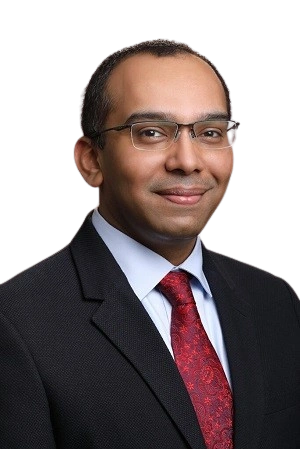
Dr. Vidhyadharan Sivakumar
MCh (Head & Neck Surgery), FEB-ORL HNS, MS (ENT) Gold Medal
Clinical Director & Senior Consultant at THANC Hospital, Chennai. Co-Editor of "Comprehensive Management of Head and Neck Cancer" (2021) with 40+ publications. Team Leader for India's first TORS-assisted Total Laryngectomy (2022). 15+ years experience with over 3000 complex surgeries.