Oral Cancer Warning Signs & Symptoms Chennai
Need expert consultation? Book an appointment with Dr. Vidhyadharan at THANC Hospital.
Book AppointmentOral cancer is a significant health concern in India, and early recognition of oral cancer warning signs can save lives. Dr. Vidhyadharan Sivakumar, a fellowship-trained Head & Neck Surgical Oncologist and Clinical Director at THANC Hospital, Kilpauk, Chennai, brings 15+ years of specialist practice and 3000+ complex surgeries to oral cancer diagnosis and treatment. This guide covers the risk factors, symptoms, and advanced treatment options available for patients across Chennai and Tamil Nadu.
Understanding Oral Cancer: An Indian Perspective
Oral cancer, also known as mouth cancer, is a type of head and neck cancer that can occur in any part of the oral cavity. This includes the lips, tongue, gums, the lining of the cheeks, the floor of the mouth, hard and soft palate, and the oropharynx (the part of the throat at the back of the mouth). In India, oral cancer is one of the most common cancers, largely due to widespread tobacco use and betel quid chewing.
The incidence of oral cancer in India is significantly higher compared to many other countries. According to the National Cancer Registry Programme (NCRP) of India, oral cancer accounts for a substantial proportion of all cancer cases in men. Early detection and timely intervention are vital for improving survival rates.
Key Risk Factors for Oral Cancer in India
Several factors contribute to the development of oral cancer. Being aware of these risk factors can help individuals make informed lifestyle choices and take preventive measures.
- Tobacco Use: Smoking cigarettes, bidis, and cigars, as well as chewing tobacco, gutka, and betel quid, are major risk factors for oral cancer in India. The harmful chemicals in tobacco damage the cells in the mouth, leading to cancerous changes. A study published in The Lancet showed a strong correlation between tobacco consumption and the incidence of oral cancer in South Asia.
- Alcohol Consumption: Excessive alcohol consumption, especially when combined with tobacco use, significantly increases the risk of oral cancer. Alcohol can irritate the lining of the mouth and make it more susceptible to the effects of tobacco.
- Betel Quid Chewing: The practice of chewing betel quid (paan) is prevalent in many parts of India. Betel quid contains areca nut, which is a known carcinogen. Regular betel quid chewing can lead to oral submucous fibrosis, a precancerous condition that increases the risk of oral cancer.
- Human Papillomavirus (HPV): Certain types of HPV, particularly HPV-16, are associated with oral cancers, especially those occurring in the oropharynx (tonsils and base of the tongue). HPV-related oral cancers are often diagnosed in younger individuals who do not have a history of tobacco or alcohol use.
- Poor Oral Hygiene: Maintaining good oral hygiene is essential for preventing oral cancer. Chronic irritation and inflammation in the mouth due to poor oral hygiene can increase the risk of cancerous changes.
- Diet: A diet lacking in fruits and vegetables may also contribute to the risk of oral cancer. Fruits and vegetables contain antioxidants and other nutrients that protect the cells from damage.
- Sun Exposure: Prolonged exposure to sunlight, especially without protection, can increase the risk of lip cancer.
Recognizing the Warning Signs and Symptoms
Early detection of oral cancer is crucial for improving treatment outcomes. It's important to be aware of the oral cancer warning signs symptoms every Indian should know. If you notice any of the following symptoms, consult a doctor or dentist immediately:
- Persistent Sore or Ulcer: A sore or ulcer in the mouth that doesn't heal within two weeks is a common sign of oral cancer. These sores may be painless initially but can become painful as the cancer progresses. If you have a mouth ulcer that will not heal, have it checked promptly.
- White or Red Patch: A white (leukoplakia) or red (erythroplakia) patch on the gums, tongue, or lining of the mouth can be a sign of precancerous or cancerous changes. Erythroplakia has a higher risk of being cancerous than leukoplakia.
- Unusual Bleeding: Bleeding in the mouth, especially without an obvious cause, should be investigated.
- Difficulty Swallowing or Chewing: Difficulty or pain when swallowing (dysphagia) or chewing can be a sign of oral cancer, especially if the cancer is located in the tongue or throat.
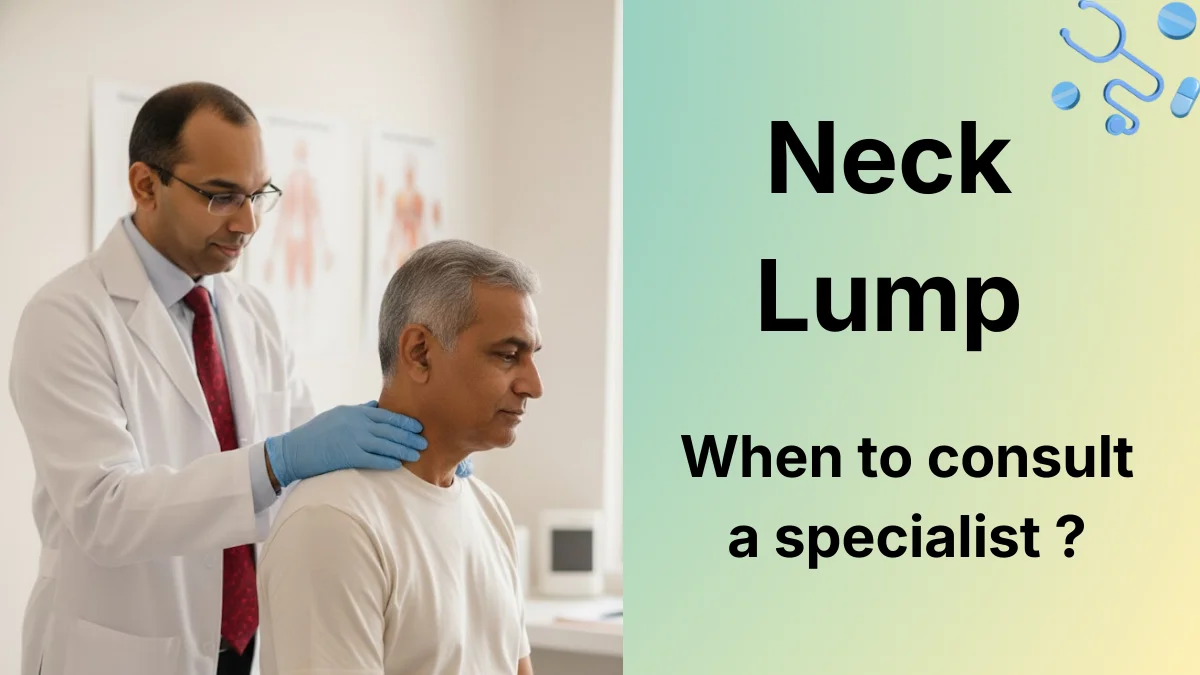
- Lump or Thickening: A lump or thickening in the cheek, tongue, or neck can be a sign of oral cancer.
- Numbness or Pain: Numbness, pain, or tenderness in any area of the mouth can be a symptom of oral cancer.
- Hoarseness: Changes in your voice, such as hoarseness, can be a sign of cancer in the larynx (voice box), which is often linked to oral cancer risk factors.
- Loose Teeth: Unexplained loosening of teeth can be a sign of oral cancer affecting the gums or jawbone.
- Jaw Pain or Stiffness: Pain or stiffness in the jaw can be a sign of oral cancer affecting the jawbone or surrounding tissues.
- Change in Denture Fit: If your dentures no longer fit properly, it could be a sign of changes in the mouth due to oral cancer.
If you are experiencing any of these symptoms, early consultation is crucial. Book an appointment with Dr. Vidhyadharan at THANC Hospital, Chennai. Call +91 73059 53378.
Diagnosis and Staging of Oral Cancer
If you suspect you have oral cancer, your doctor or dentist will perform a thorough examination of your mouth and throat. If a suspicious lesion is found, a biopsy will be performed. A biopsy involves taking a small tissue sample from the affected area and examining it under a microscope to determine if cancer cells are present.
If cancer is diagnosed, further tests may be needed to determine the stage of the cancer. Staging helps determine the extent of the cancer and whether it has spread to other parts of the body. Common staging tests include:
- Imaging Tests: CT scans, MRI scans, and PET scans can help determine the size and location of the tumor and whether it has spread to nearby lymph nodes or other organs.
- Endoscopy: An endoscope (a thin, flexible tube with a camera) can be used to examine the throat and other areas.
- Lymph Node Biopsy: If the lymph nodes in the neck are enlarged, a biopsy may be performed to determine if they contain cancer cells.
The stage of oral cancer is determined based on the size of the tumor (T), the involvement of lymph nodes (N), and the presence of distant metastasis (M). The stages range from Stage 0 (carcinoma in situ) to Stage IV (advanced cancer).
Treatment Options for Oral Cancer in Chennai
The treatment for oral cancer depends on the stage and location of the cancer, as well as the patient's overall health. Common treatment options include:
- Surgery: Surgery is often the primary treatment for oral cancer, especially in early stages. The goal of surgery is to remove the tumor and any affected lymph nodes. Dr. Vidhyadharan Sivakumar at THANC Hospital specializes in advanced surgical techniques for oral cancer, including Transoral Robotic Surgery (TORS). With credentials including an MCh (Head & Neck Surgery) and as the Co-Editor of "Comprehensive Management of Head and Neck Cancer," his expertise in TORS allows for precise and less invasive removal of tumors, leading to excellent outcomes for patients.
- Radiation Therapy: Radiation therapy uses high-energy rays to kill cancer cells. It may be used alone or in combination with surgery and chemotherapy.
- Chemotherapy: Chemotherapy uses drugs to kill cancer cells throughout the body. It may be used in combination with surgery and radiation therapy, especially for advanced cancers.
- Targeted Therapy: Targeted therapy uses drugs that target specific molecules involved in cancer cell growth and survival.
- Immunotherapy: Immunotherapy uses drugs that help the body's immune system fight cancer cells.
- Rehabilitation: Rehabilitation, including speech therapy, swallowing therapy, and physical therapy, is an important part of oral cancer treatment. It helps patients regain function and improve their quality of life.
Learn more about oral cancer treatment options on our specialty page.
Here's a comparison table of common oral cancer treatment options:
| Treatment Option | Description | Best For |
|---|---|---|
| Surgery | Removal of tumor and affected tissue | Early-stage cancers |
| Radiation Therapy | High-energy rays to kill cancer cells | Adjuvant or primary treatment |
| Chemotherapy | Drugs to kill cancer cells systemically | Advanced-stage cancers |
| TORS (Robotic Surgery) | Minimally invasive robotic tumor removal | Oropharyngeal tumors |
| Targeted Therapy | Drugs targeting specific cancer molecules | Selected advanced cases |
| Immunotherapy | Boosting the body's immune response | Recurrent or advanced cancers |
Why Choose Dr. Vidhyadharan for Oral Cancer Treatment in Chennai
Dr. Vidhyadharan Sivakumar, Clinical Director & Senior Consultant Surgeon at THANC Hospital, Kilpauk, Chennai, brings internationally trained expertise to oral cancer care. His credentials include:
- MCh (Head & Neck Surgery) - Amrita Institute
- MS (Otorhinolaryngology) - Gold Medal, First Mark - Annamalai University (2009)
- ASOHNS Clinical Fellowship - Royal Adelaide Hospital, Australia (2016-17)
- Fellow, European Board of Otorhinolaryngology (FEB-ORL HNS, 2018)
- Fellow, Indian College of Robotic Surgeons (FICRS)
- Co-Editor of "Comprehensive Management of Head and Neck Cancer" (Jaypee Brothers, 2021)
- 40+ peer-reviewed publications including The Laryngoscope
- 15+ years specialist practice | 3000+ complex surgeries
THANC Hospital is conveniently located in Kilpauk, easily accessible from Anna Nagar, Nungambakkam, T. Nagar, and other parts of Chennai. Patients from across Chennai and Tamil Nadu seek Dr. Vidhyadharan's expertise for oral cancer evaluation and treatment.
Related Resources
- Tongue Cancer Surgery: Preserving Speech and Swallowing
- Head & Neck Cancer Survival Rates and Modern Treatment
- Understanding Robotic Surgery (TORS) for Head & Neck Cancer
- Head & Neck Cancer Specialty Page
Concerned about oral cancer symptoms? Schedule a consultation with Dr. Vidhyadharan Sivakumar at THANC Hospital, Chennai.
Phone: +91 73059 53378 Location: THANC Hospital, 747 Poonamallee High Road, Kilpauk, Chennai 600010 Book an Appointment
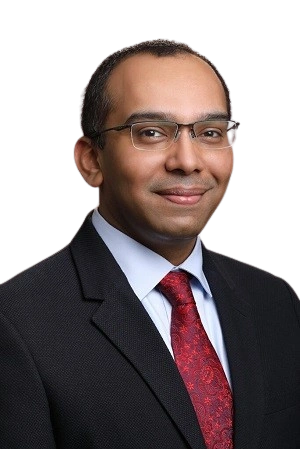
Authored by
Dr. Vidhyadharan Sivakumar
MCh (Head & Neck Surgery), FEB-ORL HNS, MS (ENT) Gold Medal
Clinical Director & Senior Consultant at THANC Hospital, Chennai. Co-Editor of "Comprehensive Management of Head and Neck Cancer" (2021) with 40+ publications. Team Leader for India's first TORS-assisted Total Laryngectomy (2022). 15+ years experience with over 3000 complex surgeries.