White Patch in Mouth? Leukoplakia & Cancer Risk - Chennai
Need expert consultation? Book an appointment with Dr. Vidhyadharan at THANC Hospital.
Book AppointmentLeukoplakia, characterized by a white patch in mouth, is a condition that warrants attention, especially concerning its potential link to oral cancer. If you're in Chennai and notice such a patch, understanding the condition and seeking timely treatment is crucial. This comprehensive guide, brought to you by Dr. Vidhyadharan Sivakumar at THANC Hospital, aims to educate you on leukoplakia, its causes, diagnosis, and treatment options available in Chennai.
Understanding Leukoplakia: What is It?
Leukoplakia is a condition where thick, white or grayish patches form on the inside of your cheeks, gums, tongue, or other areas inside your mouth. These patches can't be easily scraped off. It's often caused by irritants, especially tobacco use (smoking or chewing), but can also be triggered by alcohol, ill-fitting dentures, or other chronic irritations. While leukoplakia itself isn't cancer, some forms can be precancerous or associated with an increased risk of developing oral cancer.
Types of Leukoplakia
- Homogeneous Leukoplakia: This type presents as a uniformly white, thin, and flat patch with a smooth or slightly wrinkled surface. It typically has a lower risk of transforming into cancer compared to other types.
- Non-Homogeneous Leukoplakia: This type has an irregular surface, which can be nodular, verrucous (wart-like), or ulcerated. It carries a higher risk of becoming cancerous.
- Proliferative Verrucous Leukoplakia (PVL): This is a rare and aggressive form of leukoplakia that spreads slowly and has a high risk of developing into squamous cell carcinoma.
Is Leukoplakia Cancerous? Assessing the Risk
The primary concern with leukoplakia is its potential to develop into oral cancer. The risk varies depending on the type, location, and duration of the lesion, as well as individual factors like tobacco and alcohol use. Studies suggest that anywhere from 3% to 17% of leukoplakia cases can eventually transform into cancerous lesions. Regular monitoring and prompt treatment are crucial to minimize this risk.
Risk Factors for Malignant Transformation
Several factors increase the likelihood of leukoplakia becoming cancerous:
- Location: Leukoplakia on the floor of the mouth or tongue has a higher risk of malignant transformation.
- Appearance: Non-homogeneous leukoplakia, particularly the verrucous type, has a greater chance of turning cancerous.
- Size: Larger lesions are more likely to undergo malignant transformation.
- Persistence: Leukoplakia that persists for a long time without treatment has a higher risk.
- Tobacco and Alcohol Use: Continued use of tobacco and alcohol significantly increases the risk.
Diagnosing Leukoplakia: Essential Steps
Diagnosing leukoplakia involves a thorough clinical examination by a qualified healthcare professional. Here’s a breakdown of the diagnostic process:
- Visual Examination: A dentist or oral surgeon will carefully examine the white patch in your mouth, noting its size, shape, texture, and location.
- Medical History: They will ask about your medical history, including any tobacco or alcohol use, history of oral lesions, and other relevant health conditions.
- Exfoliative Cytology (Optional): In some cases, a sample of cells is gently scraped from the surface of the lesion and examined under a microscope. This is less invasive than a biopsy but may not be as accurate.
- Biopsy: The gold standard for diagnosing leukoplakia is a biopsy, where a small tissue sample is removed from the lesion and sent to a pathologist for microscopic examination. This helps determine if the cells are cancerous, precancerous (dysplastic), or benign.
Treatment Options for Leukoplakia in Chennai
The treatment for leukoplakia depends on several factors, including the size, location, and type of lesion, as well as the presence of dysplasia (abnormal cells) on biopsy. Dr. Vidhyadharan Sivakumar at THANC Hospital in Chennai offers a range of treatment options tailored to each patient's specific needs.
Surgical Excision
Surgical removal involves cutting out the leukoplakia lesion using a scalpel. This is typically performed under local anesthesia. Surgical excision is effective for removing well-defined lesions and provides a tissue sample for further analysis.
Laser Therapy
Laser therapy uses a focused beam of light to vaporize or remove the leukoplakia lesion. It's a less invasive option compared to traditional surgery and can result in less scarring. Different types of lasers, such as CO2 lasers, may be used.
Cryotherapy
Cryotherapy involves freezing the leukoplakia lesion with liquid nitrogen. The freezing process destroys the abnormal cells. It's a relatively simple and quick procedure, but may require multiple sessions.
Topical Medications
In some cases, topical medications, such as retinoids or corticosteroids, may be prescribed to reduce inflammation and promote healing. These medications are applied directly to the leukoplakia lesion.
Management of Risk Factors
Regardless of the specific treatment chosen, managing risk factors is crucial for preventing recurrence. This includes:
- Quitting Tobacco: This is the most important step for preventing leukoplakia and oral cancer.
- Limiting Alcohol: Reducing alcohol consumption can also lower the risk.
- Addressing Irritation: Identifying and addressing any sources of chronic irritation, such as ill-fitting dentures or rough teeth, is essential.
Comparing Treatment Options
| Treatment Option | Advantages | Disadvantages | Recovery Time |
|---|---|---|---|
| Surgical Excision | Effective for well-defined lesions, biopsy | More invasive, potential for scarring | 1-2 weeks |
| Laser Therapy | Less invasive, less scarring | May require multiple sessions, less tissue for biopsy | 1 week |
| Cryotherapy | Simple, quick | May require multiple sessions, discomfort | 1 week |
| Topical Medications | Non-invasive | Less effective for larger lesions, side effects | Varies |
The cost of treatment varies based on the method chosen, lesion size and location, number of sessions required, and whether biopsy findings necessitate more extensive management. Contact THANC Hospital for a personalized cost assessment based on your specific condition.
If you're experiencing a persistent white patch in mouth in Chennai, early consultation is crucial. Book an appointment with Dr. Vidhyadharan at THANC Hospital, Chennai.
The Role of Transoral Robotic Surgery (TORS)
In select cases, particularly for leukoplakia located in difficult-to-reach areas of the mouth or throat, Transoral Robotic Surgery (TORS) may be considered. Dr. Vidhyadharan Sivakumar is fellowship-trained in robotic surgery and has extensive experience using the da Vinci Robotic System.
Advantages of TORS
- Enhanced Precision: The robotic system provides surgeons with enhanced dexterity, visualization, and control, allowing for precise removal of lesions.
- Minimally Invasive: TORS is a minimally invasive approach, resulting in less pain, scarring, and a faster recovery compared to traditional surgery.
- Improved Access: The robotic arms can access hard-to-reach areas of the mouth and throat, making it possible to remove lesions that would be difficult to access with conventional techniques.
Post-Treatment Care and Follow-Up
After treatment for leukoplakia, regular follow-up appointments are essential to monitor for recurrence and detect any signs of malignant transformation. Your doctor will recommend a schedule for follow-up visits, which may include visual examinations and biopsies.
Lifestyle Modifications
Maintaining a healthy lifestyle is also important for preventing recurrence. This includes:
- Quitting Tobacco: If you smoke or chew tobacco, quitting is crucial.
- Limiting Alcohol: Reduce your alcohol consumption.
- Maintaining Good Oral Hygiene: Brush and floss your teeth regularly.
- Avoiding Irritants: Avoid any known irritants, such as spicy foods or rough dentures.
Why Choose THANC Hospital for Leukoplakia Treatment in Chennai?
THANC Hospital (The Head and Neck Centre & Hospital) in Chennai is a specialized center dedicated to the diagnosis and treatment of head and neck disorders, including leukoplakia and oral cancer. Dr. Vidhyadharan Sivakumar leads a team of experienced surgeons, oncologists, and other healthcare professionals who provide comprehensive and personalized care.
Dr. Vidhyadharan Sivakumar: Expertise in Head & Neck Surgery
Dr. Vidhyadharan Sivakumar is an internationally trained Head & Neck Surgical Oncologist with extensive experience in treating leukoplakia and oral cancer. He is committed to providing his patients with the best possible care, using the latest techniques and technologies.
- Qualifications: MCh (Head & Neck Surgery), MS (Otorhinolaryngology), DNB (Otorhinolaryngology), MBBS, Fellow, Indian College of Robotic Surgeons (FICRS), Fellow, European Board of Otorhinolaryngology (FEB-ORL HNS)
- Specializations: Head & Neck Cancer Surgery, Transoral Robotic Surgery (TORS), Thyroid & Parathyroid Surgery, Voice Disorders, Swallowing Disorders
- Key Achievements: India's First TORS-assisted Total Laryngectomy (2022), World's First Endo-Robotic Surgery Team Member (2023), Rising Star Award in Onco-Phagosurgery (2019)
For personalized treatment options and expert care, consult Dr. Vidhyadharan Sivakumar at THANC Hospital. Call +91 73059 53378 or book an appointment.
Have questions about your condition? Schedule a consultation with Dr. Vidhyadharan, a fellowship-trained head and neck surgeon with 15+ years of specialist practice.
Conclusion: Early Detection and Treatment are Key
Leukoplakia, while not always cancerous, requires prompt evaluation and treatment due to its potential for malignant transformation. If you notice a white patch in mouth, don't delay seeking medical attention. Dr. Vidhyadharan Sivakumar at THANC Hospital in Chennai offers comprehensive diagnostic and treatment options for leukoplakia, ensuring the best possible outcome for his patients. Early detection and appropriate management are crucial for preventing oral cancer and maintaining your oral health.
References
- Warnakulasuriya S, Ariyaratne ST, Tilakaratne WM. "Oral leukoplakia: a systematic review on prevalence and risk factors." Oral Dis, 2008. [Link if available]
- Sciubba JJ. "Oral leukoplakia." Crit Rev Oral Biol Med, 1995. [Link if available]
- Lodi G, Franchini R, Warnakulasuriya S, et al. "Interventions for treating oral leukoplakia." Cochrane Database Syst Rev, 2016. [Link if available]
- National Cancer Institute (NCI). "Oral Cavity, Pharyngeal, and Laryngeal Cancer Treatment (PDQ®)–Patient Version." https://www.cancer.gov/types/head-and-neck/patient/oral-cancer-treatment-pdq
- NCCN Guidelines. "Head and Neck Cancers." National Comprehensive Cancer Network.
- Mello FW, Miguel AF, Dutra KL, et al. "The prevalence of oral mucosal lesions in adults: a systematic review and meta-analysis." J Oral Pathol Med, 2018. [Link if available]
- Speight PM, Khurram SA, Kujan O. "Oral potentially malignant disorders: risk of progression to oral cancer." Oral Surg Oral Med Oral Pathol Oral Radiol, 2018. [Link if available]
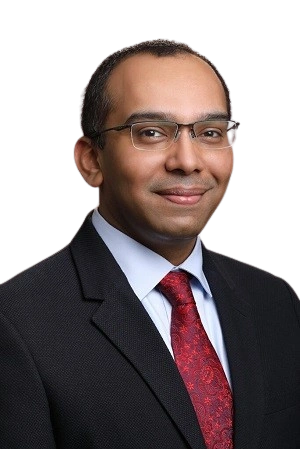
Authored by
Dr. Vidhyadharan Sivakumar
MCh (Head & Neck Surgery), FEB-ORL HNS, MS (ENT) Gold Medal
Clinical Director & Senior Consultant at THANC Hospital, Chennai. Co-Editor of "Comprehensive Management of Head and Neck Cancer" (2021) with 40+ publications. Team Leader for India's first TORS-assisted Total Laryngectomy (2022). 15+ years experience with over 3000 complex surgeries.