Oral Submucous Fibrosis Treatment Chennai - Dr Vidhyadharan
Need expert consultation? Book an appointment with Dr. Vidhyadharan at THANC Hospital.
Book AppointmentOral submucous fibrosis (OSMF) is a chronic debilitating disease affecting millions in India, particularly in Chennai. It is strongly linked to the consumption of pan tobacco, gutka, and other areca nut-containing products. This condition, if left untreated, significantly increases the risk of oral cancer. Early diagnosis and intervention are crucial for managing OSMF and preventing its progression to malignancy. Dr. Vidhyadharan Sivakumar at THANC Hospital in Chennai offers expert diagnosis and comprehensive treatment plans for OSMF.
Understanding Oral Submucous Fibrosis
Oral submucous fibrosis (OSMF) is a progressive scarring disease of the oral cavity. The underlying cause is multifactorial, but the most significant risk factor is the habitual chewing of areca nut, a key ingredient in pan tobacco and gutka.
The Role of Areca Nut
Areca nut contains alkaloids that stimulate fibroblasts, the cells responsible for producing collagen. This leads to excessive collagen deposition in the submucosal tissues, causing them to become stiff and fibrotic. This fibrosis restricts mouth opening and makes it difficult to eat, speak, and swallow.
Global Prevalence and Impact
OSMF is most prevalent in South Asia, with India bearing a significant burden of the disease. The widespread use of pan tobacco and gutka, particularly among younger populations, contributes to the high incidence of OSMF in Chennai and across the country.
The Link Between OSMF, Tobacco, Gutka, and Cancer Risk
The connection between oral submucous fibrosis, tobacco, gutka, and the risk of developing oral cancer is well-established. OSMF is considered a premalignant condition, meaning it significantly increases the likelihood of malignant transformation of the oral mucosa.
Increased Cancer Risk
Studies have shown that individuals with OSMF have a significantly higher risk of developing oral squamous cell carcinoma (OSCC) compared to the general population. The chronic inflammation and fibrosis associated with OSMF create a microenvironment that promotes cancer development.
The Carcinogenic Effects of Tobacco and Areca Nut
Both tobacco and areca nut contain carcinogenic compounds that damage DNA and disrupt normal cellular processes. These compounds contribute to the initiation and progression of oral cancer in individuals with OSMF.
Statistical Evidence
According to a study published in the Journal of Oral Pathology & Medicine, the malignant transformation rate of OSMF ranges from 7% to 30%. This highlights the importance of early detection and management of OSMF to prevent cancer development.
Symptoms and Diagnosis of OSMF
Recognizing the symptoms of OSMF is crucial for early diagnosis and intervention. The symptoms can vary depending on the stage of the disease.
Early Symptoms
- Burning sensation in the mouth, especially when eating spicy foods
- Dryness of the mouth
- Intolerance to spicy foods
- Mild stiffening of the oral mucosa
- Appearance of blanching or whitish patches inside the cheeks or around the gums
- Change in taste perception
Advanced Symptoms
- Progressive difficulty in opening the mouth (trismus)
- Difficulty in swallowing (dysphagia)
- Speech difficulties
- Pain and discomfort in the mouth
- Restricted tongue movement
- Visible and palpable fibrous bands in the oral mucosa
Diagnostic Procedures
- Clinical Examination: A thorough examination of the oral cavity to assess the extent of fibrosis and identify any suspicious lesions.
- Biopsy: A small tissue sample is taken from the affected area and examined under a microscope to confirm the diagnosis and rule out malignancy.
- Imaging Studies: In some cases, imaging studies such as MRI or CT scans may be necessary to assess the extent of the disease and rule out deep tissue involvement.
- Mouth Opening Measurement: Measuring the inter-incisal distance (distance between the upper and lower incisors) to quantify the degree of mouth opening restriction.
If you're experiencing any of these symptoms, early consultation is crucial. Book an appointment with Dr. Vidhyadharan at THANC Hospital, Chennai.
Treatment Options for Oral Submucous Fibrosis in Chennai
The treatment of OSMF aims to alleviate symptoms, improve mouth opening, and prevent the progression to oral cancer. The treatment approach depends on the stage of the disease and the severity of the symptoms. Dr. Vidhyadharan at THANC Hospital, Chennai, provides tailored treatment plans based on individual patient needs.
Conservative Management
Conservative management strategies are typically employed in the early stages of OSMF.
- Cessation of Tobacco and Areca Nut Use: This is the most crucial step in managing OSMF. Quitting these habits can help halt the progression of the disease and reduce the risk of cancer development.
- Nutritional Support: A balanced diet rich in vitamins and minerals can help improve the overall health of the oral mucosa. Vitamin A, vitamin C, and iron supplements may be recommended.
- Physiotherapy: Regular mouth opening exercises can help improve mouth opening and reduce stiffness. These exercises should be performed under the guidance of a trained physiotherapist.
- Topical Corticosteroids: Topical corticosteroids can help reduce inflammation and improve mouth opening. They are typically applied directly to the affected areas of the oral mucosa.
- Injections: Corticosteroid injections and placental extract injections into the fibrotic bands can help break down the collagen and improve mouth opening.
Medical Management
- Pentoxifylline: This medication improves blood flow to the affected tissues and reduces inflammation.
- Antioxidants: Antioxidants such as lycopene and beta-carotene can help protect the oral mucosa from damage caused by free radicals.
Surgical Intervention
Surgical intervention is considered for advanced cases of OSMF where conservative management has failed to improve mouth opening.
- Release of Fibrous Bands: This procedure involves surgically cutting the fibrous bands that restrict mouth opening.
- Reconstruction with Grafts: In some cases, skin grafts or mucosal grafts may be necessary to replace the damaged tissue and improve mouth opening.
- Transoral Robotic Surgery (TORS): In select cases, TORS may be used to release the fibrous bands with greater precision and minimal invasiveness. As an expert in TORS, Dr. Vidhyadharan can assess if this minimally invasive technique is suitable for your condition.
Comparing Treatment Options for OSMF
| Treatment Option | Description | Advantages | Disadvantages |
|---|---|---|---|
| Cessation of Habits | Quitting tobacco and areca nut use | Prevents disease progression, reduces cancer risk | Requires strong will and support |
| Nutritional Support | Balanced diet with vitamin and mineral supplements | Improves overall health, supports tissue repair | May not significantly improve mouth opening |
| Physiotherapy | Mouth opening exercises | Improves mouth opening, reduces stiffness | Requires regular practice, may be uncomfortable |
| Topical Corticosteroids | Application of corticosteroids to the oral mucosa | Reduces inflammation, improves mouth opening | Temporary relief, potential side effects with prolonged use |
| Corticosteroid Injections | Injection of corticosteroids into the fibrous bands | More targeted than topical application, can break down collagen | Painful, risk of infection |
| Pentoxifylline | Medication that improves blood flow and reduces inflammation | Can improve mouth opening and reduce symptoms | Potential side effects |
| Surgery | Release of fibrous bands, reconstruction with grafts | Significant improvement in mouth opening, can restore function | Invasive, requires recovery time, risk of complications |
| TORS | Minimally invasive robotic surgery to release fibrous bands | Precise, minimal scarring, faster recovery | Requires specialized equipment and expertise, not suitable for all cases |
The Role of Transoral Robotic Surgery (TORS) in OSMF Treatment
Transoral Robotic Surgery (TORS) represents a significant advancement in the surgical management of OSMF. Dr. Vidhyadharan is an expert in TORS and has extensive experience using this technique to treat complex head and neck conditions.
Advantages of TORS
- Minimally Invasive: TORS is performed through the mouth, eliminating the need for external incisions.
- Enhanced Precision: The robotic system provides surgeons with enhanced dexterity and visualization, allowing for precise removal of fibrous bands.
- Reduced Scarring: TORS results in minimal scarring compared to traditional open surgery.
- Faster Recovery: Patients typically experience a faster recovery and shorter hospital stay after TORS.
Patient Selection for TORS
TORS may be an appropriate treatment option for patients with advanced OSMF who have not responded to conservative management and have significant mouth opening restriction. The suitability of TORS for each patient is determined based on a thorough evaluation of their condition.
Prevention Strategies for OSMF
Preventing OSMF is crucial, especially in high-risk populations. The most effective prevention strategy is to avoid the use of tobacco and areca nut-containing products.
Public Awareness Campaigns
Public awareness campaigns can help educate people about the risks of tobacco and areca nut use and the importance of early detection and prevention of OSMF.
School-Based Programs
School-based programs can help educate children and adolescents about the dangers of these habits and promote healthy lifestyles.
Government Regulations
Government regulations can help reduce the availability and accessibility of tobacco and areca nut-containing products.
For personalized treatment options and expert care, consult Dr. Vidhyadharan Sivakumar at THANC Hospital. Call +91 73059 53378 or book an appointment. Have questions about your condition? Schedule a consultation with Dr. Vidhyadharan, a fellowship-trained head and neck surgeon with 15+ years of specialist practice.
Conclusion
Oral submucous fibrosis is a serious condition that can significantly impact the quality of life and increase the risk of oral cancer. Early diagnosis and intervention are crucial for managing OSMF and preventing its progression. Dr. Vidhyadharan Sivakumar at THANC Hospital in Chennai is dedicated to providing comprehensive and personalized care for OSMF patients. By understanding the causes, symptoms, and treatment options for OSMF, individuals can take proactive steps to protect their oral health and prevent this debilitating disease.
References
- Gupta, P. C., Warnakulasuriya, S., & Murti, P. R. "Epidemiology of oral submucous fibrosis in India." Community Dentistry and Oral Epidemiology, 2008.
- Murti, P. R., Bhonsle, R. B., Gupta, P. C., Daftary, D. K., Pindborg, J. J., & Mehta, F. S. "Etiology of oral submucous fibrosis with special reference to the role of areca nut chewing." Journal of Oral Pathology & Medicine, 1995.
- Cox, S. C., Walker, D. M., Zhang, L., & Thames, C. "Oral submucous fibrosis. A review." Australian Dental Journal, 1996.
- Lai, D. R., Chen, H. R., Shieh, T. Y., Chen, Y. M., Chang, J. T., & Hahn, L. J. "Revisiting the association between betel quid chewing and oral submucous fibrosis: a meta-analysis." Journal of Oral Pathology & Medicine, 2012.
- Angadi, P. V., & Kale, A. D. "Oral submucous fibrosis: a review of etiopathogenesis." Journal of Cancer Epidemiology, 2011.
- National Cancer Institute (NCI). "Oral Cavity, Pharyngeal, and Laryngeal Cancer Treatment (PDQ®)–Health Professional Version." https://www.cancer.gov/types/head-and-neck/hp/oral-cavity-treatment-pdq
- Warnakulasuriya S, Ariyawardana A. Malignant transformation of oral leukoplakia: a systematic review of observational studies. J Oral Pathol Med. 2016 Mar;45(3):155-66.
- NCCN Guidelines. Head and Neck Cancers. Version 2.2024. https://www.nccn.org/guidelines/guidelines-detail?category=1&id=1419
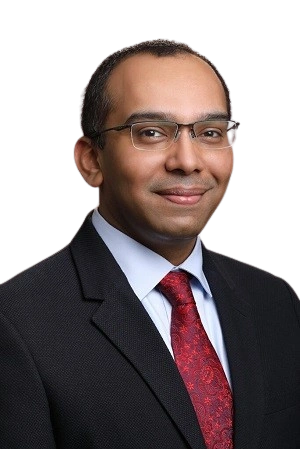
Authored by
Dr. Vidhyadharan Sivakumar
MCh (Head & Neck Surgery), FEB-ORL HNS, MS (ENT) Gold Medal
Clinical Director & Senior Consultant at THANC Hospital, Chennai. Co-Editor of "Comprehensive Management of Head and Neck Cancer" (2021) with 40+ publications. Team Leader for India's first TORS-assisted Total Laryngectomy (2022). 15+ years experience with over 3000 complex surgeries.