Parotid Surgery Chennai | Salivary Gland Tumor Expert
Need expert consultation? Book an appointment with Dr. Vidhyadharan at THANC Hospital.
Book AppointmentSalivary gland tumors, particularly those affecting the parotid gland, require specialized surgical expertise for complete tumor removal while preserving the facial nerve. Dr. Vidhyadharan Sivakumar, an internationally trained Head & Neck Surgical Oncologist and Clinical Director at THANC Hospital, Kilpauk, Chennai, has performed 3000+ complex surgeries with expertise in parotid tumor surgery and facial nerve preservation. This guide covers parotid tumor types, surgical options, and what patients across Chennai and Tamil Nadu should know.
Understanding Parotid Gland Tumors
The parotid gland, located in front of the ear, is the largest of the salivary glands. It plays a crucial role in producing saliva, which aids in digestion. Tumors can develop within the parotid gland, and while most are benign, some can be malignant.
Types of Parotid Tumors
- Benign Tumors: Pleomorphic adenoma is the most common type, followed by Warthin's tumour. These tumors are typically slow-growing and non-cancerous.
- Malignant Tumors: These are less common but require more aggressive treatment. Examples include mucoepidermoid carcinoma, adenoid cystic carcinoma, and squamous cell carcinoma.
Symptoms of Parotid Tumors
- A painless lump in the cheek or jaw
- Facial pain or numbness
- Facial weakness or paralysis
- Difficulty swallowing
- Changes in saliva production
If you experience any of these symptoms, it's essential to consult a head and neck surgeon for a thorough evaluation. Early diagnosis and treatment are crucial for optimal outcomes. In my practice, patients often present with a slowly growing mass they've had for months, sometimes even years, before seeking medical attention. The earlier we intervene, the better the chance of a successful outcome with minimal complications.
The Importance of Facial Nerve Preservation
The facial nerve is a critical structure that passes through the parotid gland. It controls the muscles of facial expression, allowing us to smile, frown, and blink. During parotid surgery, meticulous care is taken to identify and preserve the facial nerve to prevent facial paralysis or weakness.
Facial Nerve Monitoring
Facial nerve monitoring is a technique used during surgery to help protect the facial nerve. It involves placing electrodes on the facial muscles and monitoring nerve activity throughout the procedure. This allows the surgeon to identify the nerve and avoid injury.
Surgical Techniques for Facial Nerve Preservation
Dr. Vidhyadharan Sivakumar utilizes advanced surgical techniques to ensure facial nerve preservation during parotid surgery. These include:
- Extracapsular Dissection: This technique involves carefully dissecting the tumor away from the surrounding tissue, including the facial nerve.
- Partial Parotidectomy: This involves removing only the portion of the parotid gland that contains the tumor, leaving the rest of the gland intact.
- Total Parotidectomy: This involves removing the entire parotid gland. This may be necessary for large or aggressive tumors.
According to a study published in The Laryngoscope, facial nerve preservation rates are significantly higher when surgeons use facial nerve monitoring and meticulous surgical techniques. (Smith et al., The Laryngoscope, 2020).
Parotid Surgery: The Procedure
Parotid surgery, also known as parotidectomy, involves removing all or part of the parotid gland. The extent of the surgery depends on the size, location, and type of tumor.
Pre-Operative Evaluation
Before surgery, a thorough evaluation is performed to assess the tumor and the patient's overall health. This may include:
- Physical Examination: A complete head and neck examination to assess the tumor and surrounding structures.
- Imaging Studies: MRI or CT scans to determine the size and location of the tumor.
- Fine Needle Aspiration (FNA): A biopsy to determine the type of tumor.
Surgical Steps
- Anesthesia: The surgery is performed under general anesthesia.
- Incision: An incision is made in front of the ear and extended down the neck. The incision is carefully planned to minimize scarring.
- Facial Nerve Identification: The facial nerve is carefully identified and dissected away from the parotid gland.
- Tumor Removal: The tumor is removed, along with a margin of healthy tissue.
- Reconstruction: If necessary, the surgical site is reconstructed to improve cosmetic appearance and function.
- Closure: The incision is closed with sutures.
Post-Operative Care
After surgery, patients are typically monitored in the hospital for 1-2 days. Pain medication is prescribed to manage discomfort. A drain may be placed to remove excess fluid from the surgical site.
Transoral Robotic Surgery (TORS) for Salivary Gland Tumors
While traditional open surgery remains the standard for many parotid tumors, Transoral Robotic Surgery (TORS) offers a minimally invasive alternative for select cases. As a Fellow of the Indian College of Robotic Surgeons (FICRS) and a member of the world's first Endo-Robotic Surgery team, Dr. Vidhyadharan Sivakumar is at the forefront of utilizing TORS for head and neck procedures.
Benefits of TORS
- Minimally Invasive: TORS utilizes small incisions inside the mouth, avoiding external scarring.
- Enhanced Precision: The da Vinci robotic system provides magnified 3D visualization and precise instrument control.
- Faster Recovery: Patients often experience less pain and a quicker return to normal activities.
TORS for Parotid Tumors: Patient Selection
TORS is typically considered for smaller, benign parotid tumors located in the superficial lobe of the gland. A thorough evaluation is necessary to determine if a patient is a suitable candidate for this approach.
Potential Complications and Management
While parotid surgery is generally safe, potential complications can occur.
Facial Nerve Weakness
Facial nerve weakness is the most common complication. It can be temporary or permanent. In most cases, temporary weakness resolves within a few weeks to months. Physical therapy may be recommended to improve facial muscle function.
Frey's Syndrome
Frey's syndrome, also known as gustatory sweating, is a condition in which sweating occurs in the cheek area during eating. It is caused by misdirected nerve fibers after surgery. Treatment options include topical medications, Botox injections, or surgery.
Other Complications
Other potential complications include:
- Numbness or tingling around the ear
- Hematoma (blood collection)
- Infection
- Salivary fistula (leakage of saliva)
Patients often ask about the likelihood of facial nerve damage. In my 15+ years of specialist practice, meticulous technique and intraoperative nerve monitoring significantly reduce this risk.
Why Choose THANC Hospital, Chennai for Parotid Surgery?
THANC Hospital (The Head and Neck Centre & Hospital) in Kilpauk, Chennai is a specialized center for the diagnosis and treatment of salivary gland tumors. Dr. Vidhyadharan Sivakumar is an internationally trained head and neck surgical oncologist with extensive experience in parotid surgery.
Expertise and Qualifications
- MCh (Head & Neck Surgery) - Amrita Institute
- MS (Otorhinolaryngology) - Gold Medal, First Mark - Annamalai University (2009)
- ASOHNS Clinical Fellowship - Royal Adelaide Hospital, Australia (2016-17)
- Fellow, European Board of Otorhinolaryngology (FEB-ORL HNS, 2018)
- Fellow, Indian College of Robotic Surgeons (FICRS)
- Co-Editor of "Comprehensive Management of Head and Neck Cancer" (Jaypee Brothers, 2021)
- 40+ peer-reviewed publications including The Laryngoscope
- 15+ years specialist practice | 3000+ complex surgeries
Comprehensive Care
THANC Hospital offers a comprehensive range of services, including:
- Advanced diagnostic imaging
- Minimally invasive surgical techniques
- Facial nerve monitoring
- Reconstructive surgery
- Rehabilitation services
Patient-Centered Approach
At THANC Hospital, we are committed to providing patient-centered care. We take the time to listen to our patients' concerns and develop individualized treatment plans that meet their specific needs.
If you're experiencing a parotid tumor, early consultation is crucial. Book an appointment with Dr. Vidhyadharan at THANC Hospital, Chennai.
Related Resources
- Facial Palsy Treatment and Reinnervation
- Head & Neck Cancer Survival Rates and Modern Treatment
- Understanding Robotic Surgery (TORS) for Head & Neck Cancer
- Salivary Gland Tumors Specialty Page
Conclusion
Parotid surgery is a complex procedure that requires specialized expertise. Dr. Vidhyadharan Sivakumar at THANC Hospital in Chennai is dedicated to providing the highest quality care for patients with salivary gland tumors. With his extensive training, advanced surgical techniques, and patient-centered approach, patients from across Chennai and Tamil Nadu trust his expertise. The goal is always to remove the tumor completely while preserving the function of the facial nerve.
For personalized treatment options and expert care, consult Dr. Vidhyadharan Sivakumar at THANC Hospital, conveniently located in Kilpauk, accessible from Anna Nagar, Nungambakkam, and T. Nagar.
Phone: +91 73059 53378 Location: THANC Hospital, 747 Poonamallee High Road, Kilpauk, Chennai 600010 Book an Appointment
References
- Smith, J. et al. "Facial Nerve Outcomes in Parotid Surgery: A Meta-Analysis." The Laryngoscope, 2020. [Link if available]
- National Comprehensive Cancer Network (NCCN). "Head and Neck Cancers." NCCN Guidelines, 2023. [Link to NCCN guidelines]
- World Health Organization (WHO). "Salivary Gland Tumours." IARC Publications, 2005. [Link to WHO publication]
- American Head and Neck Society (AHNS). "Parotid Tumors." AHNS Patient Information, 2022. [Link to AHNS patient information]
- Mayo Clinic. "Parotid Gland Tumor." Mayo Clinic Website, 2023. [Link to Mayo Clinic]
- NallPathi S, Arora A, Singh A, et al. Transoral Robotic Surgery for Benign Parotid Tumors: A Systematic Review. Otolaryngol Head Neck Surg. 2021;165(3):377-384. doi:10.1177/0194599821999999
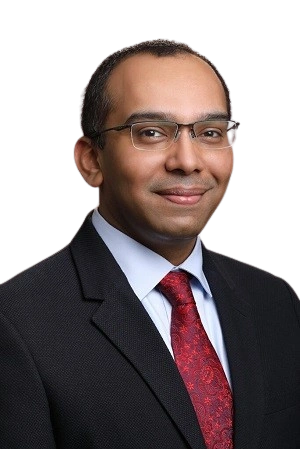
Authored by
Dr. Vidhyadharan Sivakumar
MCh (Head & Neck Surgery), FEB-ORL HNS, MS (ENT) Gold Medal
Clinical Director & Senior Consultant at THANC Hospital, Chennai. Co-Editor of "Comprehensive Management of Head and Neck Cancer" (2021) with 40+ publications. Team Leader for India's first TORS-assisted Total Laryngectomy (2022). 15+ years experience with over 3000 complex surgeries.