Facial Palsy Treatment Chennai | Nerve Repair Expert
Need expert consultation? Book an appointment with Dr. Vidhyadharan at THANC Hospital.
Book AppointmentFacial palsy, also known as facial paralysis, is a debilitating condition that affects thousands of people worldwide. At THANC Hospital, Kilpauk, Chennai, Dr. Vidhyadharan Sivakumar, a fellowship-trained head and neck surgeon with 15+ years of specialist practice, offers advanced facial palsy treatment including nerve reconstruction and reinnervation techniques. This comprehensive guide covers causes, diagnosis, and treatment approaches for facial palsy, drawing on Dr. Vidhyadharan's expertise as the surgeon who performed Tamil Nadu's first laryngeal reinnervation.
Understanding Facial Palsy
Facial palsy occurs when the facial nerve, which controls the muscles of facial expression, becomes damaged or dysfunctional. This can result in weakness or paralysis on one or both sides of the face. The severity of facial palsy can range from mild weakness to complete paralysis, significantly impacting a person's ability to smile, speak, eat, and even blink.
Causes of Facial Palsy
Several factors can lead to facial palsy, including:
- Bell's Palsy: The most common cause, Bell's palsy, is a sudden, unexplained weakness or paralysis of the facial nerve. It's often linked to a viral infection.
- Infections: Viral infections like herpes simplex (which causes cold sores and shingles), Lyme disease, and Ramsay Hunt syndrome can damage the facial nerve.
- Trauma: Head injuries, facial fractures, or surgical procedures near the facial nerve can cause damage.
- Tumors: Tumors in the brain, skull base, or salivary glands can compress or invade the facial nerve.
- Stroke: Although less common, a stroke can sometimes cause facial weakness, but typically involves other neurological deficits.
- Congenital Conditions: Some individuals are born with facial palsy due to developmental abnormalities.
- Autoimmune Diseases: Conditions like multiple sclerosis and Guillain-Barré syndrome can affect the facial nerve.
Symptoms of Facial Palsy
The symptoms of facial palsy can vary depending on the severity and cause of the condition. Common symptoms include:
- Sudden weakness or paralysis on one side of the face
- Drooping of the mouth or eyelid
- Difficulty closing the eye
- Drooling
- Changes in taste
- Pain around the jaw or behind the ear
- Increased sensitivity to sound
- Decreased tear production
If you experience any of these symptoms, it's crucial to seek medical attention promptly. Early diagnosis and treatment can improve the chances of a full recovery.
Diagnosis of Facial Palsy
A thorough diagnosis is essential to determine the underlying cause of facial palsy and guide the appropriate treatment plan. The diagnostic process typically involves:
- Medical History and Physical Examination: The doctor will ask about your symptoms, medical history, and any recent illnesses or injuries. A physical examination will assess your facial muscle function and identify any other neurological deficits.
- Neurological Examination: This involves testing cranial nerve function, reflexes, and coordination to rule out other neurological conditions.
- Electrophysiological Tests: Electromyography (EMG) and nerve conduction studies can help assess the extent of nerve damage and predict the likelihood of recovery.
- Imaging Studies: Magnetic resonance imaging (MRI) or computed tomography (CT) scans may be used to rule out tumors, infections, or other structural abnormalities.
- Blood Tests: Blood tests may be performed to check for infections, autoimmune diseases, or other underlying medical conditions.
Dr. Vidhyadharan emphasizes a comprehensive diagnostic approach to ensure accurate identification of the cause of facial palsy and tailor the treatment plan accordingly.
Treatment Options for Facial Palsy in Chennai
The treatment for facial palsy depends on the underlying cause, severity, and duration of the condition. The primary goals of treatment are to restore facial muscle function, relieve symptoms, and prevent complications.
Conservative Management
For mild cases of facial palsy, particularly Bell's palsy, conservative management may be sufficient. This typically includes:
- Medications: Corticosteroids, such as prednisone, can reduce inflammation and improve nerve function, especially when started within the first few days of symptom onset. Antiviral medications may be prescribed if a viral infection is suspected.
- Eye Care: Difficulty closing the eye can lead to corneal dryness and damage. Artificial tears, lubricating ointments, and eyelid taping can protect the eye.
- Physical Therapy: Facial exercises and massage can help maintain muscle tone and prevent contractures. A physical therapist can teach you specific exercises to improve facial muscle coordination and strength.
Surgical Interventions
In more severe cases of facial palsy, or when conservative management fails, surgical interventions may be necessary. Dr. Vidhyadharan Sivakumar at THANC Hospital in Chennai specializes in advanced surgical techniques for facial nerve repair and reconstruction.
- Nerve Grafting: If the facial nerve is severely damaged or cut, a nerve graft can be used to bridge the gap. A nerve graft is a section of nerve taken from another part of the body, typically the leg or neck. The graft provides a scaffold for new nerve fibers to grow across the damaged area.
- Nerve Reinnervation: Nerve reinnervation involves redirecting a nearby nerve to the facial muscles. This can be done using a hypoglossal-facial nerve jump graft, where a portion of the hypoglossal nerve (which controls tongue movement) is connected to the facial nerve.
- Muscle Transfer: In cases of long-standing facial palsy, the facial muscles may become atrophied or non-functional. Muscle transfer involves transplanting a muscle from another part of the body, such as the thigh or shoulder, to the face. The transferred muscle is then connected to a nerve to restore facial movement.
- Static Procedures: Static procedures are surgical techniques that improve facial symmetry without restoring movement. These include eyelid weights to help close the eye, brow lifts to elevate a drooping eyebrow, and facelifts to tighten sagging skin.
Comparing Surgical Options
| Treatment | Description | Ideal For | Success Rate (Approximate) | Recovery Time |
|---|---|---|---|---|
| Nerve Grafting | A section of nerve from another part of the body is used to bridge a gap in the damaged facial nerve. | Cases where the facial nerve is severed or severely damaged. | 60-80% | 6-18 months |
| Nerve Reinnervation | A nearby nerve (e.g., hypoglossal nerve) is redirected to the facial muscles. | Cases where the facial nerve is damaged but not completely severed. | 50-70% | 9-24 months |
| Muscle Transfer | A muscle from another part of the body is transplanted to the face to restore movement. | Cases of long-standing facial palsy with muscle atrophy. | 70-90% | 6-12 months |
| Static Procedures | Surgical techniques to improve facial symmetry without restoring movement (e.g., eyelid weights, brow lifts). | Cases where restoring movement is not possible or desired; primarily for cosmetic improvement. | 80-95% | 2-6 weeks (initial recovery) |
Note: Success rates are approximate and can vary based on individual factors. Recovery times are also estimates and can differ.
Transoral Robotic Surgery (TORS)
While not directly used for facial nerve repair, in some cases, facial palsy can be related to tumors affecting the skull base or other head and neck regions. Dr. Vidhyadharan is an expert in Transoral Robotic Surgery (TORS) using the da Vinci Robotic System. This minimally invasive approach allows for precise removal of tumors while minimizing damage to surrounding structures, potentially indirectly improving facial nerve function where compression is a factor.
Facial Reanimation
Facial reanimation is a comprehensive approach to restoring facial function and expression. It often involves a combination of surgical and non-surgical techniques tailored to the individual patient's needs. The goal is to improve facial symmetry, restore movement, and enhance quality of life.
If you're experiencing symptoms, early consultation is crucial. Book an appointment with Dr. Vidhyadharan at THANC Hospital, Chennai, or call +91 73059 53378.
Facial Palsy Treatment at THANC Hospital, Chennai
THANC Hospital (The Head and Neck Centre & Hospital) in Kilpauk, Chennai, is a specialized center for facial palsy treatment. Dr. Vidhyadharan Sivakumar, Clinical Director & Senior Consultant, is an internationally trained Head & Neck Surgical Oncologist with extensive experience in facial nerve reconstruction and reinnervation.
Dr. Vidhyadharan's qualifications include:
- MCh (Head & Neck Surgery) - Amrita Institute
- MS (Otorhinolaryngology) - Gold Medal, First Mark - Annamalai University (2009)
- ASOHNS Clinical Fellowship - Royal Adelaide Hospital, Australia (2016-17)
- Fellow, European Board of Otorhinolaryngology (FEB-ORL HNS, 2018)
- Fellow, Indian College of Robotic Surgeons (FICRS)
- Co-Editor of "Comprehensive Management of Head and Neck Cancer" (Jaypee Brothers, 2021)
- 40+ peer-reviewed publications including The Laryngoscope
- 15+ years specialist practice | 3000+ complex surgeries
His specializations relevant to facial palsy include:
- Facial Palsy Treatment & Laryngeal Reinnervation (Performed the first Non-Selective Laryngeal Reinnervation in Tamil Nadu)
- Skull Base Surgery
- Head & Neck Cancer Surgery
- Transoral Robotic Surgery (TORS)
Dr. Vidhyadharan's expertise and dedication to patient care make him a trusted choice for facial palsy treatment in Chennai. Patients from across Chennai and Tamil Nadu, including areas near Kilpauk, Anna Nagar, and Nungambakkam, consult him for advanced nerve reconstruction procedures.
A Patient-Centered Approach
At THANC Hospital, we understand the physical and emotional impact of facial palsy. We provide a patient-centered approach that focuses on individualized treatment plans and comprehensive support. Our team of experts includes surgeons, neurologists, physical therapists, and counselors who work together to ensure the best possible outcomes.
Patients often ask about the long-term effects of facial palsy. While recovery can take time, with the right treatment and rehabilitation, many individuals can regain significant facial function and improve their quality of life.
Rehabilitation and Aftercare
Rehabilitation is an essential part of facial palsy treatment. Physical therapy, facial exercises, and massage can help improve muscle tone, coordination, and strength. A physical therapist can teach you specific exercises to target different facial muscles and prevent contractures.
In addition to physical therapy, other rehabilitation strategies may include:
- Speech Therapy: Speech therapy can help improve speech clarity and articulation if facial palsy affects your ability to speak.
- Occupational Therapy: Occupational therapy can help you adapt to daily activities and tasks that are affected by facial palsy.
- Counseling: Facial palsy can have a significant impact on self-esteem and body image. Counseling can provide emotional support and help you cope with the challenges of living with facial palsy.
Conclusion
Facial palsy can be a challenging condition, but with the right diagnosis and treatment, many individuals can regain significant facial function and improve their quality of life. Dr. Vidhyadharan Sivakumar at THANC Hospital in Chennai offers advanced surgical and non-surgical treatment options for facial palsy, including nerve reconstruction, reinnervation, and facial reanimation. Our patient-centered approach and comprehensive rehabilitation program ensure that you receive the best possible care.
For personalized treatment options and expert care, consult Dr. Vidhyadharan Sivakumar at THANC Hospital, Kilpauk, Chennai. Call +91 73059 53378 or request an appointment online.
Related Reading
- Skull Base Surgery in Chennai: Tumors and Treatment
- Salivary Gland Tumor Surgery: Parotid and Beyond
- Head and Neck Cancer Survival Rates: Modern Treatment
References
- Gronseth, G. S., Paduga, R., & American Academy of Neurology. (2012). Practice parameter: Bell's palsy (an evidence-based review): Report of the Quality Standards Subcommittee of the American Academy of Neurology. Neurology, 79(22), 2209-2213. https://doi.org/10.1212/WNL.0b013e3182759710
- National Institute of Neurological Disorders and Stroke (NINDS). (n.d.). Bell's Palsy Fact Sheet. https://www.ninds.nih.gov/Disorders/Patient-Caregiver-Education/Fact-Sheets/Bells-Palsy-Fact-Sheet
- ্তেנר, R., & Z়יו, F. (2015). Facial nerve reconstruction. Clinics in Plastic Surgery, 42(2), 241-249. https://doi.org/10.1016/j.cps.2014.12.006
- Terzis, J. K., & Konofaos, P. (2011). Facial paralysis. Plexus Surgery.
- Cleveland Clinic. (2021). Facial Paralysis. https://my.clevelandclinic.org/health/diseases/16932-facial-paralysis
- NHS. (2023). Bell's palsy. https://www.nhs.uk/conditions/bells-palsy/
- American Academy of Otolaryngology – Head and Neck Surgery. (n.d.). Facial Paralysis.
- Laryngoscope.
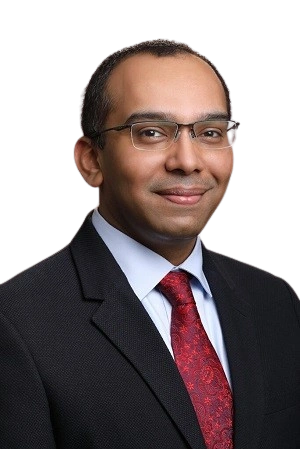
Authored by
Dr. Vidhyadharan Sivakumar
MCh (Head & Neck Surgery), FEB-ORL HNS, MS (ENT) Gold Medal
Clinical Director & Senior Consultant at THANC Hospital, Chennai. Co-Editor of "Comprehensive Management of Head and Neck Cancer" (2021) with 40+ publications. Team Leader for India's first TORS-assisted Total Laryngectomy (2022). 15+ years experience with over 3000 complex surgeries.