Thyroid Nodules: Causes, Symptoms & Expert Treatment in Chennai
Need expert consultation? Book an appointment with Dr. Vidhyadharan at THANC Hospital.
Book AppointmentWhat are Thyroid Nodules? Causes, Symptoms, and Treatment Options
Thyroid nodules treatment in Chennai is a core specialty at THANC Hospital, Kilpauk, where Dr. Vidhyadharan Sivakumar, a fellowship-trained head and neck surgeon with 15+ years of specialist practice, provides expert evaluation and care. Thyroid nodules are lumps that develop within the thyroid gland, a butterfly-shaped gland at the base of your neck. While the vast majority are benign (non-cancerous), it is crucial to have them evaluated by an experienced surgeon to rule out malignancy and determine the appropriate course of action.
The good news is that most thyroid nodules don't cause any symptoms and are often discovered incidentally during a routine physical exam or imaging test for another condition. However, larger nodules can sometimes lead to noticeable symptoms that require prompt medical attention. Understanding the thyroid nodules causes symptoms treatment is essential for early detection and effective management.
Understanding Thyroid Nodules: Causes and Risk Factors
The exact cause of thyroid nodules is often unknown, but several factors can contribute to their development:
-
Iodine Deficiency: A lack of iodine in the diet can lead to thyroid enlargement (goiter) and the formation of nodules. While iodine deficiency is less common in developed countries due to iodized salt, it can still be a factor in certain populations.
-
Hashimoto's Thyroiditis: This autoimmune condition causes chronic inflammation of the thyroid gland, which can increase the risk of nodule formation.
-
Family History: A family history of thyroid nodules or thyroid cancer can increase your risk.
-
Age: Thyroid nodules become more common with age.
-
Radiation Exposure: Exposure to radiation, especially during childhood, can increase the risk of thyroid nodules and thyroid cancer.
-
Multinodular Goiter: This condition involves the enlargement of the thyroid gland with multiple nodules.
Dr. Vidhyadharan frequently sees patients concerned about the cause of their thyroid nodules. Having one or more risk factors does not guarantee that you will develop thyroid nodules, but it is important to be aware of them and undergo regular check-ups if you are at higher risk.
Recognizing the Symptoms of Thyroid Nodules
Many thyroid nodules are asymptomatic, meaning they don't cause any noticeable symptoms. These nodules are often discovered incidentally during a routine physical exam or imaging test performed for another reason. However, when symptoms do occur, they can vary depending on the size and location of the nodule:
-
Palpable Lump: The most common symptom is a lump in the neck that you can feel when you touch your throat.
-
Difficulty Swallowing (Dysphagia): Larger nodules can compress the esophagus, making it difficult or uncomfortable to swallow.
-
Hoarseness: Nodules that affect the recurrent laryngeal nerve, which controls the vocal cords, can cause hoarseness or a change in your voice. This is a critical symptom that requires immediate evaluation. This is an area of specific expertise at our Voice Clinic at THANC Hospital.
-
Neck Pain: In rare cases, nodules can cause pain in the neck, jaw, or ear.
-
Breathing Difficulties: Large nodules can compress the trachea (windpipe), leading to difficulty breathing, especially when lying down. Airway Management is a key focus at THANC Hospital.
-
Hyperthyroidism Symptoms: If the nodule is "hot" (overactive), it can produce excess thyroid hormone, leading to symptoms of hyperthyroidism such as:
- Rapid heartbeat
- Weight loss
- Anxiety
- Tremors
- Sweating
-
Hypothyroidism Symptoms: Rarely, nodules can damage the thyroid gland, leading to hypothyroidism, with symptoms such as:
- Fatigue
- Weight gain
- Constipation
- Dry skin
- Feeling cold
If you're experiencing any of these symptoms, early consultation is crucial. Book an appointment with Dr. Vidhyadharan at THANC Hospital, Chennai, or call +91 73059 53378.
Diagnosing Thyroid Nodules: A Comprehensive Approach
A thorough evaluation is essential to determine the nature of a thyroid nodule and rule out malignancy. The diagnostic process typically involves:
-
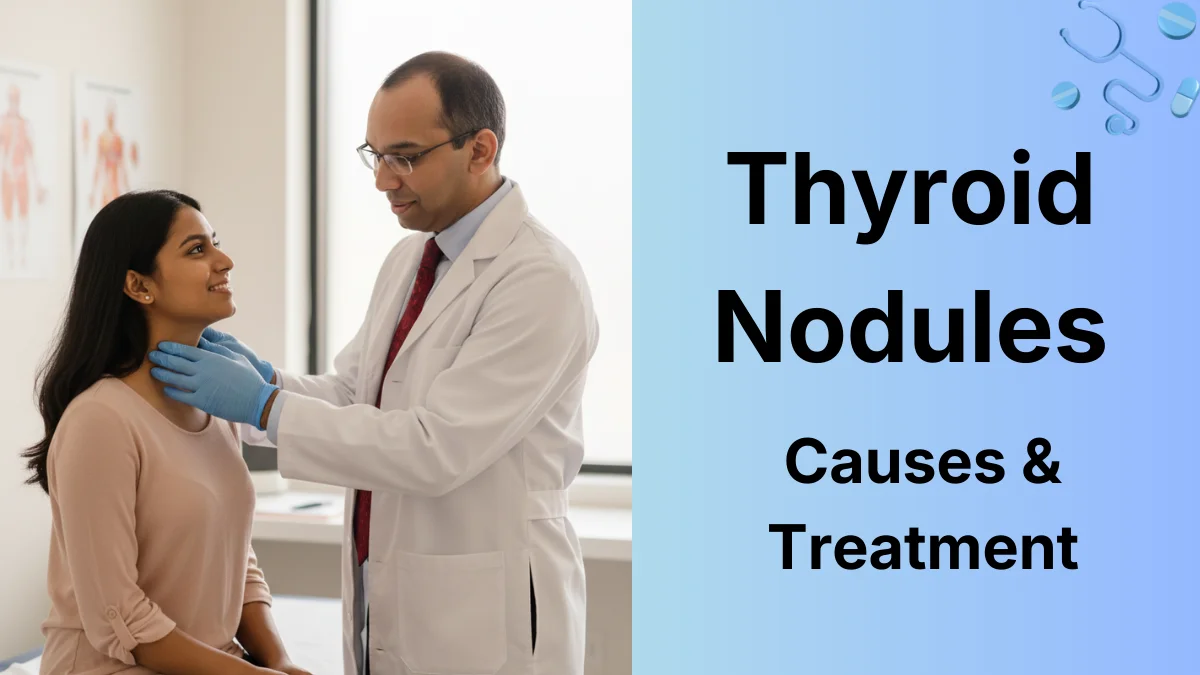
Physical Examination: Dr. Vidhyadharan will carefully examine your neck to assess the size, location, and consistency of the nodule.
-
Thyroid Function Tests: Blood tests to measure thyroid hormone levels (TSH, T4, and T3) to determine if your thyroid gland is functioning properly.
-
Ultrasound: This imaging technique uses sound waves to create a detailed picture of the thyroid gland and the nodule. Ultrasound can help determine the size, shape, and internal characteristics of the nodule, as well as identify any suspicious features.
-
Fine Needle Aspiration (FNA) Biopsy: This is the most important test for evaluating thyroid nodules. During FNA, a thin needle is inserted into the nodule to collect a sample of cells, which are then examined under a microscope by a pathologist. FNA can determine whether the nodule is benign, suspicious, or malignant.
- Molecular Testing: In some cases, particularly when FNA results are inconclusive, molecular testing may be performed on the FNA sample to analyze the genetic makeup of the cells. This can help further clarify the risk of malignancy.
-
Thyroid Scan (Radioiodine Scan): This imaging test is used to determine if a nodule is "hot" (overactive) or "cold" (non-functioning). Hot nodules are rarely cancerous.
-
CT Scan or MRI: These imaging tests may be used in certain cases to evaluate the size and extent of the nodule, especially if it's large or located in a difficult-to-access area.
Thyroid Nodule Treatment Options: A Personalized Approach
The treatment for thyroid nodules depends on several factors, including the size and characteristics of the nodule, the presence of symptoms, and the risk of malignancy.
| Treatment Option | Description | Advantages | Disadvantages |
|---|---|---|---|
| Observation | Regular monitoring with physical exams and ultrasound to track the nodule's size and any changes. FNA biopsy may be repeated if the nodule grows or develops suspicious features. | Avoids unnecessary intervention. | Requires ongoing monitoring and can cause anxiety for some patients. |
| Thyroid Hormone Suppression Therapy | Involves taking thyroid hormone medication (levothyroxine) to suppress TSH levels, which can sometimes shrink benign nodules. This approach is less commonly used now due to limited efficacy and potential side effects. | May shrink some nodules. | Not always effective and can cause side effects such as hyperthyroidism. |
| Radioactive Iodine Therapy | Used for "hot" (overactive) nodules to destroy the overactive thyroid tissue. | Effective for treating hyperthyroidism caused by hot nodules. | Can lead to hypothyroidism and may not be suitable for all patients. |
| Surgery (Thyroidectomy) | Surgical removal of the thyroid gland, either partial (removing the nodule and surrounding tissue) or total (removing the entire thyroid gland). This is typically recommended for: Suspected or confirmed thyroid cancer, Large nodules causing compressive symptoms, Nodules with indeterminate FNA results after molecular testing. | Definitive treatment for thyroid cancer and large symptomatic nodules. | Requires surgery and can lead to complications such as hypothyroidism, nerve damage (hoarseness), and hypoparathyroidism (calcium deficiency). Our team has extensive experience in Thyroid Surgery. |
| Minimally Invasive Procedures | Includes techniques such as radiofrequency ablation (RFA) and laser ablation, which use heat to destroy the nodule. | Less invasive than surgery and may be suitable for some benign nodules. | Not widely available and may not be as effective as surgery for larger or more complex nodules. Long-term outcomes are still being studied. |
Dr. Vidhyadharan believes in a personalized approach to thyroid nodule treatment, carefully considering each patient's individual circumstances and preferences when developing a treatment plan.
Surgical Options for Thyroid Nodules: Expertise at THANC Hospital
When surgery is necessary, Dr. Vidhyadharan performs both partial and total thyroidectomies. The goal is to remove the nodule while preserving as much healthy thyroid tissue as possible and minimizing the risk of complications. At THANC Hospital, advanced surgical techniques and monitoring are used to ensure optimal outcomes for patients.
-
Minimally Invasive Thyroidectomy: In select cases, Dr. Vidhyadharan may perform a minimally invasive thyroidectomy, which involves making a smaller incision and using specialized instruments to remove the nodule. This can result in less pain, a shorter hospital stay, and a smaller scar.
-
Intraoperative Nerve Monitoring: During thyroid surgery, Dr. Vidhyadharan uses intraoperative nerve monitoring to protect the recurrent laryngeal nerve, which controls the vocal cords. This helps to minimize the risk of hoarseness after surgery.
-
Parathyroid Hormone Monitoring: We also monitor parathyroid hormone levels during surgery to help prevent hypoparathyroidism (calcium deficiency).
THANC Hospital is a specialized center for head and neck surgery in Chennai, committed to providing patients with comprehensive thyroid care. The team has extensive experience in performing thyroid surgery using advanced techniques and technology.
Life After Thyroid Nodule Treatment: What to Expect
The long-term outlook after thyroid nodule treatment depends on the underlying cause of the nodule and the type of treatment received.
-
Benign Nodules: If the nodule is benign and doesn't cause any symptoms, you may not need any further treatment after the initial evaluation. However, regular monitoring with physical exams and ultrasound is recommended to ensure that the nodule doesn't grow or develop any suspicious features.
-
Surgery: If you undergo thyroid surgery, you may need to take thyroid hormone medication (levothyroxine) for the rest of your life to replace the thyroid hormone that your body is no longer producing. Regular blood tests are needed to monitor your thyroid hormone levels and adjust the dosage of medication as needed.
-
Thyroid Cancer: If the nodule is cancerous, you will need to undergo further treatment, which may include surgery, radioactive iodine therapy, and/or external beam radiation therapy. The long-term outlook for thyroid cancer is generally very good, especially when it's detected early and treated appropriately.
Patients often ask about the potential side effects of thyroid surgery. While complications are rare, they can include hoarseness, hypoparathyroidism, and bleeding. At THANC Hospital, we take every precaution to minimize the risk of complications and ensure the best possible outcome for our patients.
Why Choose Dr. Vidhyadharan for Thyroid Nodule Treatment in Chennai?
Dr. Vidhyadharan Sivakumar, Clinical Director & Senior Consultant at THANC Hospital, Kilpauk, Chennai, brings internationally trained expertise to thyroid nodule management. His qualifications include:
- MCh (Head & Neck Surgery) - Amrita Institute
- MS (Otorhinolaryngology) - Gold Medal, First Mark - Annamalai University (2009)
- ASOHNS Clinical Fellowship - Royal Adelaide Hospital, Australia (2016-17)
- Fellow, European Board of Otorhinolaryngology (FEB-ORL HNS, 2018)
- Fellow, Indian College of Robotic Surgeons (FICRS)
- Co-Editor of "Comprehensive Management of Head and Neck Cancer" (Jaypee Brothers, 2021)
- 40+ peer-reviewed publications including The Laryngoscope
- 15+ years specialist practice | 3000+ complex surgeries
View Dr. Vidhyadharan's full academic profile and publications.
FAQs About Thyroid Nodules
1. What exactly are thyroid nodules? Thyroid nodules are abnormal lumps or growths that develop within the thyroid gland. They can be solid or fluid-filled and vary in size. While most are benign, some can be cancerous and require further evaluation.
2. How are thyroid nodules usually discovered? Many thyroid nodules are found incidentally during routine physical exams or imaging tests performed for other reasons. Larger nodules might be noticed by the patient as a lump in the neck.
3. How is a fine needle aspiration (FNA) biopsy performed? During an FNA biopsy, a thin needle is inserted into the thyroid nodule, guided by ultrasound, to collect a sample of cells. These cells are then examined under a microscope to determine if the nodule is benign or malignant.
4. What are the risks associated with thyroid surgery? Potential risks of thyroid surgery include hoarseness due to nerve damage, hypoparathyroidism (low calcium levels), bleeding, infection, and the need for lifelong thyroid hormone replacement therapy.
5. Where can I get a thyroid nodule evaluated in Chennai? THANC Hospital (The Head and Neck Centre & Hospital) in Chennai offers comprehensive evaluation and treatment for thyroid nodules, led by Dr. Vidhyadharan Sivakumar, an experienced head and neck surgeon.
6. How much does a thyroidectomy cost in Chennai? The cost of a thyroidectomy in Chennai can vary depending on the hospital, the surgeon's fees, and the complexity of the surgery. It's best to contact THANC Hospital directly for a detailed cost estimate based on your individual needs.
7. What are the alternatives to surgery for benign thyroid nodules? Alternatives to surgery for benign thyroid nodules include observation with regular monitoring, thyroid hormone suppression therapy (less common now), and minimally invasive procedures like radiofrequency ablation (RFA).
8. Is thyroid nodule treatment covered by insurance in India? Most health insurance policies in India cover the cost of thyroid nodule evaluation and treatment, including surgery, if deemed medically necessary. It's advisable to check with your insurance provider for specific coverage details.
9. What questions should I ask my doctor about my thyroid nodule? Ask about the size and characteristics of the nodule, the likelihood of malignancy, the recommended treatment options, the risks and benefits of each treatment, and the long-term follow-up plan.
10. What is the recovery time after thyroid surgery? The recovery time after thyroid surgery varies depending on the extent of the surgery and the individual's healing process. Most patients can return to normal activities within 1-2 weeks.
11. What are the chances of a thyroid nodule being cancerous? The vast majority of thyroid nodules (over 90%) are benign. However, it's crucial to have all nodules evaluated by a doctor to rule out malignancy.
12. Best thyroid specialist doctor in Chennai? Dr. Vidhyadharan Sivakumar at THANC Hospital, Kilpauk, Chennai, is a fellowship-trained head and neck surgeon with 15+ years of specialist practice in diagnosing and treating thyroid nodules and thyroid cancer. He holds MCh (Head & Neck Surgery), MS (ENT) Gold Medal, and is European Board-certified (FEB-ORL HNS).
For personalized treatment options and expert care, consult Dr. Vidhyadharan Sivakumar at THANC Hospital, Kilpauk, Chennai, easily accessible from Anna Nagar, Nungambakkam, and T. Nagar. Call +91 73059 53378 or request an appointment online.
Related Resources
- Thyroid Surgery at THANC Hospital
- Thyroid Cancer Surgery: Complete Guide
- Thyroidectomy Recovery: What to Expect
- Neck Lump: When to Worry
- Dr. Vidhyadharan's Academic Profile
References
- Haugen, B.R., et al. "2015 American Thyroid Association Management Guidelines for Adult Patients with Thyroid Nodules and Differentiated Thyroid Cancer." Thyroid, 2016. [Link to ATA Guidelines]
- National Comprehensive Cancer Network (NCCN). "NCCN Guidelines for Thyroid Carcinoma." [Link to NCCN Guidelines]
- Cooper, D.S., et al. "Revised American Thyroid Association management guidelines for patients with thyroid nodules and differentiated thyroid cancer." Thyroid, 2009.
- Gharib, H., et al. "American Association of Clinical Endocrinologists, Associazione Medici Endocrinologi, and European Thyroid Association guidelines for clinical practice for the diagnosis and management of thyroid nodules." Endocrine Practice, 2010.
- British Thyroid Association. "UK Guidelines for the Management of Thyroid Cancer." 2014. [Link to BTA Guidelines if available]
- Ito, Y., et al. "An Observation Trial for Papillary Microcarcinoma of the Thyroid in Japan." World Journal of Surgery, 2010.
- Durante, C., et al. "The natural history of papillary thyroid microcarcinomas." European Journal of Endocrinology, 2015.
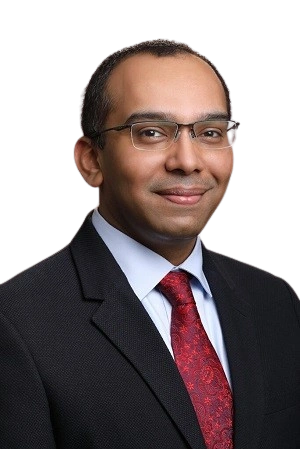
Authored by
Dr. Vidhyadharan Sivakumar
MCh (Head & Neck Surgery), FEB-ORL HNS, MS (ENT) Gold Medal
Clinical Director & Senior Consultant at THANC Hospital, Chennai. Co-Editor of "Comprehensive Management of Head and Neck Cancer" (2021) with 40+ publications. Team Leader for India's first TORS-assisted Total Laryngectomy (2022). 15+ years experience with over 3000 complex surgeries.