Vocal Cord Paralysis Treatment Chennai | Nerve Restoration
Need expert consultation? Book an appointment with Dr. Vidhyadharan at THANC Hospital.
Book AppointmentLaryngeal reinnervation offers a promising solution for individuals suffering from vocal cord paralysis. In Chennai, Dr. Vidhyadharan Sivakumar at THANC Hospital specializes in this advanced procedure, restoring voice and improving quality of life for his patients.
Understanding Vocal Cord Paralysis
Vocal cord paralysis occurs when one or both vocal cords fail to move properly. This can lead to a range of debilitating symptoms affecting speech, breathing, and swallowing. The condition arises from damage to the nerves that control the vocal cords, most commonly the recurrent laryngeal nerve.
Causes of Vocal Cord Paralysis
Several factors can contribute to vocal cord paralysis:
- Surgery: Thyroid surgery is a leading cause, as the recurrent laryngeal nerve runs close to the thyroid gland. Accidental damage during the procedure can result in paralysis.
- Tumors: Tumors in the neck or chest can compress or invade the nerves controlling the vocal cords.
- Stroke: Strokes affecting the brainstem can disrupt nerve signals to the larynx.
- Neurological Conditions: Conditions like Parkinson's disease or multiple sclerosis can also lead to vocal cord paralysis.
- Infections: Viral or bacterial infections can sometimes damage the laryngeal nerves.
- Idiopathic: In some cases, the cause of vocal cord paralysis remains unknown.
Symptoms of Vocal Cord Paralysis
The symptoms of vocal cord paralysis can vary depending on whether one or both cords are affected. Common symptoms include:
- Hoarseness: A raspy or strained voice is a hallmark symptom.
- Breathiness: The voice may sound weak and airy due to incomplete closure of the vocal cords.
- Difficulty Projecting Voice: Speaking loudly becomes challenging.
- Frequent Coughing or Throat Clearing: This is often due to food or liquid entering the airway.
- Shortness of Breath: Especially during physical activity or speaking.
- Dysphagia (Difficulty Swallowing): Food or liquids may go down the wrong way, leading to choking or aspiration.
- Change in Pitch: The voice may sound higher or lower than usual.
If you're experiencing any of these symptoms, early consultation is crucial. Book an appointment with Dr. Vidhyadharan at THANC Hospital, Chennai.
Laryngeal Reinnervation: Restoring Nerve Function
Laryngeal reinnervation is a surgical procedure designed to restore nerve supply to paralyzed vocal cords. This technique aims to improve vocal cord movement, enhance voice quality, and reduce the risk of aspiration. Dr. Vidhyadharan Sivakumar is a leading expert in Chennai, offering this specialized treatment at THANC Hospital.
How Laryngeal Reinnervation Works
The procedure involves transferring a healthy, functioning nerve to the paralyzed vocal cord. The most common donor nerve is a branch of the ansa cervicalis, a nerve loop located in the neck.
- Identification of Donor Nerve: The surgeon carefully identifies and isolates a suitable branch of the ansa cervicalis.
- Nerve Transfer: The selected nerve branch is then connected to the damaged recurrent laryngeal nerve, which controls the vocal cord muscles.
- Nerve Regeneration: Over time, the donor nerve begins to regenerate and send signals to the paralyzed vocal cord, stimulating muscle activity.
- Voice Improvement: As the vocal cord regains movement, voice quality improves, and the risk of aspiration decreases.
Benefits of Laryngeal Reinnervation
Laryngeal reinnervation offers several significant advantages for patients with vocal cord paralysis:
- Improved Voice Quality: Many patients experience a noticeable improvement in voice loudness, clarity, and stability.
- Reduced Breathiness: As the vocal cords close more effectively, the voice becomes less breathy.
- Enhanced Swallowing Safety: Improved vocal cord function helps prevent food and liquids from entering the airway, reducing the risk of choking and aspiration pneumonia.
- Natural Voice Production: Reinnervation aims to restore a more natural and sustainable voice compared to other treatments like vocal cord injections.
In my practice, I've seen firsthand the transformative impact of laryngeal reinnervation on patients' lives. A patient, a 45-year-old teacher, experienced significant voice loss after thyroid surgery. Following laryngeal reinnervation and voice therapy, she was able to return to her teaching career with a much-improved voice and confidence.
Who is a Good Candidate for Laryngeal Reinnervation?
Determining candidacy for laryngeal reinnervation involves a thorough evaluation by a qualified head and neck surgeon. Ideal candidates typically meet the following criteria:
- Vocal Cord Paralysis: Patients with unilateral vocal cord paralysis (paralysis of one vocal cord) are generally the best candidates.
- Nerve Damage: The paralysis should be caused by damage to the recurrent laryngeal nerve, often resulting from surgery, trauma, or tumors.
- Limited Improvement with Voice Therapy: Patients who have undergone voice therapy without significant improvement may benefit from reinnervation.
- Realistic Expectations: It's important for patients to understand that reinnervation is a gradual process, and voice improvement may take several months to a year.
- Good Overall Health: Candidates should be in good general health to undergo surgery and participate in post-operative voice therapy.
The Laryngeal Reinnervation Procedure at THANC Hospital
At THANC Hospital, Dr. Vidhyadharan Sivakumar employs a comprehensive approach to laryngeal reinnervation, ensuring the best possible outcomes for his patients.
Pre-operative Evaluation
Before proceeding with surgery, patients undergo a thorough evaluation, including:
- Laryngoscopy: A visual examination of the vocal cords using a flexible or rigid endoscope.
- Stroboscopy: A specialized technique that uses pulsed light to assess vocal cord vibration.
- Electromyography (EMG): A test that measures the electrical activity of the vocal cord muscles to assess nerve function.
- Voice Assessment: A comprehensive evaluation of voice quality, pitch, loudness, and stability.
Surgical Technique
Dr. Vidhyadharan utilizes advanced surgical techniques to ensure precise and effective nerve transfer. The procedure typically involves:
- Anesthesia: The surgery is performed under general anesthesia.
- Incision: A small incision is made in the neck to access the recurrent laryngeal nerve and the ansa cervicalis.
- Nerve Identification: The surgeon carefully identifies and isolates the damaged recurrent laryngeal nerve and a suitable branch of the ansa cervicalis.
- Nerve Transfer: The selected nerve branch is connected to the recurrent laryngeal nerve using microsurgical techniques.
- Closure: The incision is closed in layers.
Post-operative Care and Voice Therapy
Following surgery, patients receive comprehensive post-operative care, including:
- Pain Management: Medications are prescribed to manage any discomfort.
- Voice Rest: Patients are advised to rest their voice for a period of time.
- Voice Therapy: A crucial component of the recovery process, voice therapy helps patients retrain their vocal cords and optimize voice production. Therapy typically begins several weeks after surgery and continues for several months.
Have questions about your condition? Schedule a consultation with Dr. Vidhyadharan, a fellowship-trained head and neck surgeon with 15+ years of specialist practice.
Risks and Complications
As with any surgical procedure, laryngeal reinnervation carries some potential risks and complications. These include:
- Bleeding: Bleeding can occur during or after surgery.
- Infection: Infection is a risk with any surgical procedure.
- Nerve Damage: Damage to other nerves in the neck is possible, although rare.
- Voice Changes: Temporary voice changes, such as hoarseness or breathiness, can occur.
- Swallowing Difficulties: Some patients may experience temporary swallowing difficulties.
- Failure of Nerve Transfer: In some cases, the nerve transfer may not be successful in restoring vocal cord movement.
Dr. Vidhyadharan discusses all potential risks and benefits with patients before proceeding with surgery.
Alternatives to Laryngeal Reinnervation
While laryngeal reinnervation offers a promising solution for many patients, alternative treatment options are available. These include:
- Voice Therapy: Voice therapy can help patients compensate for vocal cord paralysis and improve voice quality.
- Vocal Cord Injection (Medialization): This procedure involves injecting a substance into the paralyzed vocal cord to bulk it up and improve closure.
- Thyroplasty: A surgical procedure that involves placing an implant in the larynx to reposition the paralyzed vocal cord.
The best treatment option depends on the individual patient's condition, goals, and preferences. A thorough evaluation by a qualified head and neck surgeon is essential to determine the most appropriate course of action.
Here is a table summarizing the different treatment options:
| Treatment Option | Description | Advantages | Disadvantages |
|---|---|---|---|
| Voice Therapy | Exercises and techniques to improve voice quality and compensate for vocal cord paralysis. | Non-invasive, improves vocal technique, can be used in conjunction with other treatments. | May not be effective for severe paralysis, requires patient commitment. |
| Vocal Cord Injection | Injecting a substance (e.g., collagen, fat) into the paralyzed vocal cord to bulk it up and improve closure. | Minimally invasive, can provide immediate voice improvement. | Temporary effect (usually lasts a few months), may require repeated injections. |
| Thyroplasty | A surgical procedure that involves placing an implant in the larynx to reposition the paralyzed vocal cord. | More permanent solution than injection, can significantly improve voice quality. | Invasive surgery, requires careful implant selection and placement, potential for implant-related complications. |
| Laryngeal Reinnervation | Transferring a healthy nerve to the paralyzed vocal cord to restore nerve function and muscle activity. | Aims to restore natural vocal cord movement, can improve voice quality and swallowing safety, potentially long-lasting results. | More complex surgery, requires a longer recovery period, voice improvement is gradual (may take several months to a year), not always successful. |
Choosing THANC Hospital for Laryngeal Reinnervation in Chennai
THANC Hospital (The Head and Neck Centre & Hospital) is a leading center for voice disorders in Chennai, offering comprehensive diagnosis and treatment for vocal cord paralysis. Dr. Vidhyadharan Sivakumar is a highly skilled and experienced head and neck surgeon specializing in laryngeal reinnervation.
Dr. Vidhyadharan Sivakumar: Expertise and Experience
Dr. Vidhyadharan Sivakumar is an internationally trained Head & Neck Surgical Oncologist and Clinical Director & Senior Consultant at THANC Hospital. His qualifications include:
- MCh (Head & Neck Surgery) - Amrita Institute
- MS (Otorhinolaryngology) - First Mark & Gold Medal - Annamalai University (2009)
- DNB (Otorhinolaryngology)
- MBBS - Sri Ramachandra Medical College
- Fellow, Indian College of Robotic Surgeons (FICRS)
- Fellow, European Board of Otorhinolaryngology (FEB-ORL HNS)
Dr. Vidhyadharan's expertise extends to:
- Head & Neck Cancer Surgery
- Transoral Robotic Surgery (TORS)
- Skull Base Surgery
- Thyroid & Parathyroid Surgery
- Voice Disorders
- Swallowing Disorders
- Airway Management
- Sleep Apnea Surgery
- Salivary Gland Tumors
- Facial Palsy Treatment & Laryngeal Reinnervation
His commitment to professional voice care is evident through:
- Voice Clinic serving singers, teachers, RJs, lawyers, call center professionals
- Vocal cord nodules, polyps, cysts, microsurgery and voice therapy
- Tamil Nadu's first laryngeal reinnervation for vocal cord paralysis
- Stroboscopy, FEES, and comprehensive voice evaluation
THANC Hospital: A Center of Excellence
THANC Hospital is dedicated to providing state-of-the-art care for patients with head and neck disorders. The hospital offers:
- Advanced diagnostic technologies
- Cutting-edge surgical techniques
- Comprehensive voice therapy services
- A team of experienced and compassionate professionals
For personalized treatment options and expert care, consult Dr. Vidhyadharan Sivakumar at THANC Hospital. Call +91 73059 53378 or book an appointment.
References
- Courey, M.S., Garrett, C.G., & Ossoff, R.H. (2000). "Current concepts in management of unilateral vocal fold paralysis." Otolaryngologic Clinics of North America, 33(5), 1069-1081.
- Johns, M.M., et al. (2018). "Evidence-based practice: Hoarseness." Otolaryngology–Head and Neck Surgery, 158(3 Suppl), S1-S21.
- National Institute on Deafness and Other Communication Disorders (NIDCD). "Vocal Cord Paralysis." https://www.nidcd.nih.gov/health/vocal-cord-paralysis
- American Academy of Otolaryngology – Head and Neck Surgery. "Vocal Cord Paralysis." https://www.enthealth.org/conditions/vocal-cord-paralysis/
- NCCN Guidelines. Head and Neck Cancers. Version 2.2024. https://www.nccn.org/guidelines/category_1
- Wax, M. K., & Bowman, C. A. (2017). "Laryngeal reinnervation: A systematic review." Otolaryngology–Head and Neck Surgery, 156(6), 989-997.
- Mallur, P. S., Rosen, C. A., Gartner-Schmidt, J., & Amin, M. R. (2016). "Management of unilateral vocal fold paralysis: A systematic review and meta-analysis." The Laryngoscope, 126(3), 766-773.
- IARC. World Cancer Report 2020. https://www.iarc.fr/
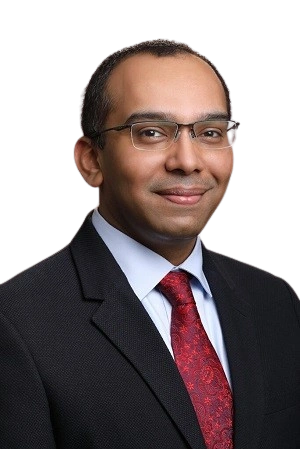
Authored by
Dr. Vidhyadharan Sivakumar
MCh (Head & Neck Surgery), FEB-ORL HNS, MS (ENT) Gold Medal
Clinical Director & Senior Consultant at THANC Hospital, Chennai. Co-Editor of "Comprehensive Management of Head and Neck Cancer" (2021) with 40+ publications. Team Leader for India's first TORS-assisted Total Laryngectomy (2022). 15+ years experience with over 3000 complex surgeries.