Voice Therapy vs Surgery: Chennai Expert Guide
Need expert consultation? Book an appointment with Dr. Vidhyadharan at THANC Hospital.
Book AppointmentVoice problems can significantly impact your ability to communicate, affecting your personal and professional life. When facing a voice disorder, understanding your treatment options is crucial. Two common approaches are voice therapy and voice surgery. This article, by Dr. Vidhyadharan Sivakumar at THANC Hospital in Chennai, explores the differences between these options and helps you determine when to choose each for optimal voice recovery.
Understanding Voice Disorders
Voice disorders encompass a range of conditions that affect the quality, pitch, loudness, or resonance of your voice. These disorders can stem from various causes, including:
- Vocal cord nodules and polyps: These are benign growths on the vocal cords often caused by vocal overuse or misuse.
- Vocal cord paralysis: This occurs when one or both vocal cords are unable to move properly, often due to nerve damage.
- Laryngitis: Inflammation of the larynx (voice box), usually caused by viral infections or vocal strain.
- Spasmodic dysphonia: A neurological disorder that causes involuntary spasms of the vocal cords.
- Vocal cord cysts: Fluid-filled sacs that can develop on the vocal cords.
- Vocal cord hemorrhage: Bleeding into the vocal cords, typically caused by sudden vocal strain.
- Laryngeal Cancer: Malignant tumors affecting the larynx.
Identifying the underlying cause of your voice problem is the first step in determining the most appropriate treatment strategy. At THANC Hospital in Chennai, we utilize advanced diagnostic tools, including stroboscopy and FEES, to accurately assess your vocal cord function and identify any underlying pathology.
Voice Therapy: A Non-Surgical Approach
Voice therapy is a non-invasive treatment approach that focuses on improving vocal technique and promoting healthy vocal habits. It is typically administered by a speech-language pathologist (SLP) and involves a personalized program tailored to your specific needs.
Key Components of Voice Therapy:
- Vocal Hygiene Education: Learning about factors that can negatively impact your voice, such as smoking, alcohol consumption, dehydration, and excessive caffeine intake.
- Breathing Exercises: Developing proper breathing techniques to support vocal cord vibration and reduce vocal strain.
- Vocal Cord Exercises: Performing specific exercises to strengthen and coordinate the muscles involved in voice production.
- Resonance Training: Optimizing the way your voice resonates in your head and neck to improve vocal quality and projection.
- Pitch and Loudness Control: Learning to control your pitch and loudness to avoid vocal fatigue and strain.
When is Voice Therapy Recommended?
Voice therapy is often the first-line treatment for voice disorders caused by vocal misuse, overuse, or poor vocal technique. It is particularly effective for:
- Vocal cord nodules and polyps (early stages): Voice therapy can help reduce the size of these growths and prevent them from recurring.
- Muscle tension dysphonia: A condition where the muscles around the larynx become tense, leading to a strained voice.
- Vocal cord paralysis (in conjunction with other treatments): Voice therapy can help compensate for the weakened vocal cord and improve voice quality.
- Post-surgical rehabilitation: Voice therapy can help restore vocal function after voice surgery.
- Professional voice users (singers, teachers, speakers): Voice therapy can help prevent voice problems and optimize vocal performance.
In my practice, I often recommend voice therapy as the initial treatment for patients with vocal cord nodules. Many patients experience significant improvement with consistent therapy and adherence to vocal hygiene recommendations.
Benefits of Voice Therapy
- Non-invasive and safe
- Addresses the underlying causes of voice disorders
- Improves vocal technique and reduces vocal strain
- Can prevent recurrence of voice problems
- Empowers patients to take control of their vocal health
If you're experiencing hoarseness, early consultation is crucial. Book an appointment with Dr. Vidhyadharan at THANC Hospital, Chennai.
Voice Surgery: A Surgical Intervention
Voice surgery involves surgical procedures to correct structural abnormalities of the vocal cords or larynx. These procedures are typically performed by a laryngologist (a surgeon specializing in voice disorders) and may involve:
- Microlaryngoscopy: A minimally invasive procedure where a microscope is used to visualize the vocal cords and remove lesions or correct abnormalities.
- Vocal Cord Stripping: Removal of the outer layer of the vocal cord, often used for precancerous lesions. This procedure is less common now due to potential scarring.
- Laser Surgery: Using a laser to remove lesions or reshape the vocal cords.
- Laryngeal Framework Surgery: Procedures to reposition or reshape the cartilages of the larynx to improve vocal cord function.
- Injection Laryngoplasty: Injecting a substance into the vocal cord to increase its bulk and improve voice quality, often used for vocal cord paralysis.
- Transoral Robotic Surgery (TORS): Using the da Vinci robotic system for precise removal of tumors or lesions in the larynx. Dr. Vidhyadharan is an expert in TORS, offering this advanced option at THANC Hospital.
When is Voice Surgery Necessary?
Voice surgery is typically considered when voice therapy is not sufficient to resolve the voice problem or when there are structural abnormalities that require surgical correction. Common indications for voice surgery include:
- Large vocal cord nodules or polyps that do not respond to voice therapy.
- Vocal cord cysts.
- Vocal cord paralysis (when other treatments have failed).
- Laryngeal cancer.
- Vocal cord scarring that significantly impairs voice quality.
- Airway obstruction due to laryngeal lesions.
Patients often ask about the risks of voice surgery. While surgery can be highly effective, it's essential to understand the potential risks and benefits. A thorough evaluation and discussion with a qualified laryngologist are crucial. Dr. Vidhyadharan's extensive training and experience, including a fellowship in Robotic Surgery (FICRS), ensures patients receive the highest level of surgical care.
Benefits of Voice Surgery
- Can correct structural abnormalities of the vocal cords
- Can improve voice quality and projection
- Can remove cancerous or precancerous lesions
- Can restore vocal function in cases of paralysis
Risks of Voice Surgery
- Bleeding
- Infection
- Scarring
- Changes in voice quality
- Airway compromise (rare)
- Need for additional surgery
Voice Therapy vs. Voice Surgery: A Comparison
The following table summarizes the key differences between voice therapy and voice surgery:
| Feature | Voice Therapy | Voice Surgery |
|---|---|---|
| Approach | Non-invasive | Invasive |
| Focus | Improving vocal technique and healthy vocal habits | Correcting structural abnormalities |
| Practitioner | Speech-Language Pathologist | Laryngologist (Head & Neck Surgeon) |
| Indications | Vocal misuse, overuse, early-stage nodules, paralysis | Large nodules, cysts, paralysis, laryngeal cancer, scarring |
| Risks | Minimal | Bleeding, infection, scarring, voice changes, airway issues |
| Recovery Time | Varies, often gradual improvement | Weeks to months, depending on the procedure |
| Cost | Generally less expensive | More expensive |
Choosing the Right Treatment: Factors to Consider
The decision of whether to pursue voice therapy or voice surgery depends on several factors, including:
- The underlying cause of your voice problem.
- The severity of your symptoms.
- Your overall health.
- Your personal preferences.
- Your response to previous treatments.
It's essential to have a thorough evaluation by a qualified laryngologist to determine the most appropriate treatment plan for your specific needs. Dr. Vidhyadharan Sivakumar at THANC Hospital in Chennai offers comprehensive voice evaluations and personalized treatment recommendations based on his extensive experience and expertise.
The Role of Technology in Voice Treatment
Advancements in technology have significantly enhanced the diagnosis and treatment of voice disorders. At THANC Hospital, we utilize state-of-the-art equipment, including:
- Stroboscopy: A video imaging technique that allows us to visualize the vocal cords in slow motion, identifying subtle abnormalities.
- Flexible Endoscopic Evaluation of Swallowing (FEES): A procedure used to assess swallowing function and identify any underlying issues that may be contributing to voice problems.
- Transoral Robotic Surgery (TORS): The da Vinci robotic system allows for precise and minimally invasive removal of tumors and lesions in the larynx. Dr. Vidhyadharan is a pioneer in TORS, having performed India's First TORS-assisted Total Laryngectomy in 2022.
These technologies enable us to provide more accurate diagnoses and more effective treatments for a wide range of voice disorders.
Promoting Healthy Vocal Habits
Regardless of whether you choose voice therapy or voice surgery, adopting healthy vocal habits is crucial for maintaining a healthy voice. Some key recommendations include:
- Stay hydrated: Drink plenty of water throughout the day to keep your vocal cords lubricated.
- Avoid smoking and excessive alcohol consumption: These substances can irritate and damage the vocal cords.
- Limit caffeine intake: Caffeine can dehydrate the vocal cords.
- Warm up your voice before speaking or singing: Just like athletes warm up before exercising, it's important to warm up your voice before using it extensively.
- Avoid shouting or straining your voice: These activities can damage the vocal cords.
- Get enough rest: Fatigue can negatively impact your voice.
- Manage acid reflux: Acid reflux can irritate the larynx and contribute to voice problems.
- Seek professional help if you experience persistent voice changes: Early diagnosis and treatment are crucial for preventing voice problems from becoming chronic.
For personalized treatment options and expert care, consult Dr. Vidhyadharan Sivakumar at THANC Hospital. Call +91 73059 53378 or book an appointment.
Conclusion
Choosing between voice therapy and voice surgery requires careful consideration of your individual circumstances and a thorough evaluation by a qualified laryngologist. Voice therapy is a non-invasive approach that focuses on improving vocal technique and promoting healthy vocal habits, while voice surgery is a surgical intervention to correct structural abnormalities of the vocal cords. Dr. Vidhyadharan Sivakumar at THANC Hospital in Chennai offers comprehensive voice care, including both voice therapy and voice surgery, and can help you determine the most appropriate treatment plan for your needs. His expertise, combined with the advanced technology available at THANC Hospital, ensures that you receive the highest level of care.
References
- American Speech-Language-Hearing Association (ASHA). "Voice Disorders." https://www.asha.org/public/speech/disorders/voice/
- National Institute on Deafness and Other Communication Disorders (NIDCD). "Spasmodic Dysphonia." https://www.nidcd.nih.gov/health/spasmodic-dysphonia
- Johns Hopkins Medicine. "Laryngitis." https://www.hopkinsmedicine.org/health/conditions-and-diseases/laryngitis
- Cleveland Clinic. "Vocal Cord Nodules and Polyps." https://my.clevelandclinic.org/health/diseases/17829-vocal-cord-nodules-and-polyps
- Stell & Maran's Head and Neck Surgery, 6th Edition. (Dr. Vidhyadharan Sivakumar contributed a chapter to this textbook)
- The Laryngoscope journal. (Dr. Vidhyadharan Sivakumar has published 40+ peer-reviewed publications, including in The Laryngoscope)
- National Comprehensive Cancer Network (NCCN) Guidelines. Head and Neck Cancers.
- Indian College of Robotic Surgeons (FICRS).
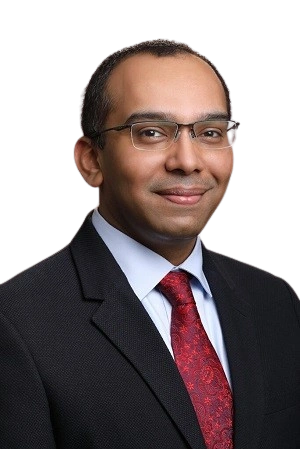
Authored by
Dr. Vidhyadharan Sivakumar
MCh (Head & Neck Surgery), FEB-ORL HNS, MS (ENT) Gold Medal
Clinical Director & Senior Consultant at THANC Hospital, Chennai. Co-Editor of "Comprehensive Management of Head and Neck Cancer" (2021) with 40+ publications. Team Leader for India's first TORS-assisted Total Laryngectomy (2022). 15+ years experience with over 3000 complex surgeries.