Vocal Cord Nodules Treatment Chennai | Dr Vidhyadharan
Need expert consultation? Book an appointment with Dr. Vidhyadharan at THANC Hospital.
Book AppointmentVocal cord nodules and polyps can be a significant concern, particularly for professional voice users like singers, teachers, and public speakers. At THANC Hospital in Chennai, Dr. Vidhyadharan Sivakumar offers comprehensive diagnosis and advanced treatment options to help you regain your voice and maintain your vocal health. This article provides an in-depth look at these conditions, their causes, symptoms, and the effective treatments available at our state-of-the-art facility.
Understanding Vocal Cord Nodules and Polyps
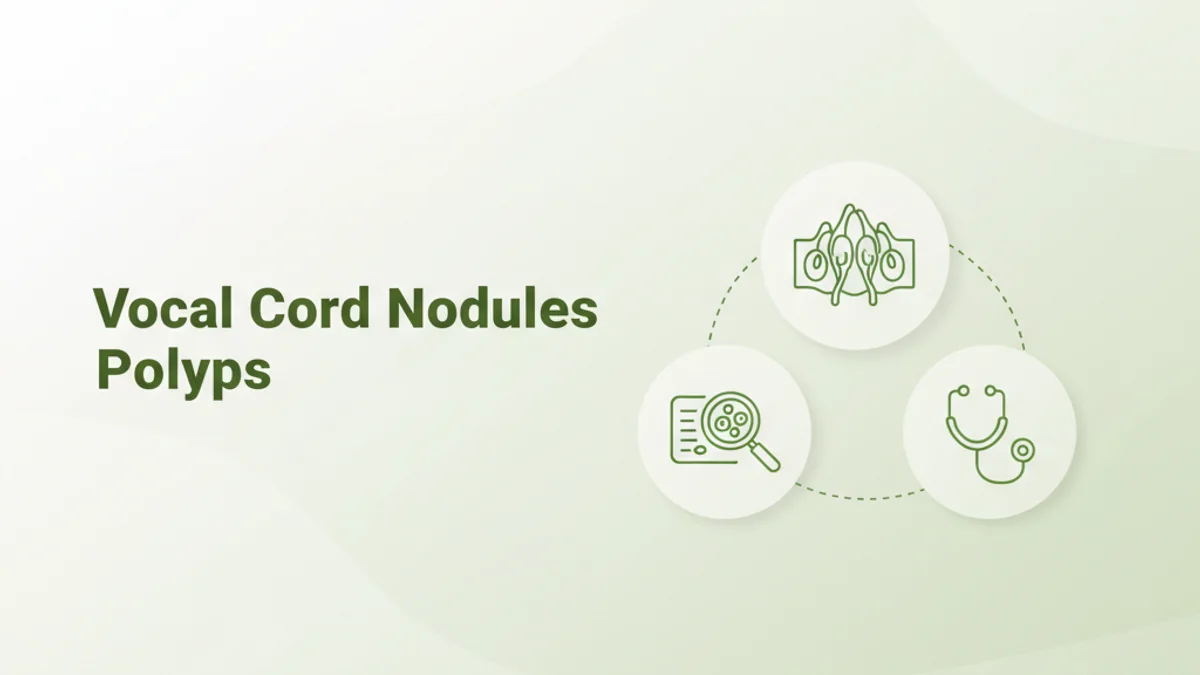
Vocal cord nodules and polyps are benign (non-cancerous) growths that develop on the vocal cords, also known as vocal folds. These growths can interfere with the normal vibration of the vocal cords, leading to changes in voice quality. While both conditions affect the voice, they differ in their formation and characteristics.
What are Vocal Cord Nodules?
Vocal cord nodules, often referred to as "singer's nodes," are callous-like thickenings that typically form in pairs on the vocal cords. They are usually caused by chronic vocal abuse or misuse, such as:
- Excessive shouting or yelling: Overusing the voice in loud environments.
- Singing with poor technique: Straining the vocal cords while singing.
- Chronic coughing or throat clearing: Irritating the vocal cords repeatedly.
- Speaking in a pitch that is too high or too low: Placing undue stress on the vocal cords.
What are Vocal Cord Polyps?
Vocal cord polyps are softer, blister-like lesions that can develop on one or both vocal cords. Unlike nodules, polyps can result from a single vocal trauma, such as a sudden scream, or from chronic irritation. Common causes of polyps include:
- Vocal hemorrhage: Bleeding into the vocal cord tissue.
- Chronic laryngitis: Inflammation of the larynx (voice box).
- Exposure to irritants: Smoking, allergies, or acid reflux.
Symptoms of Vocal Cord Nodules and Polyps
The symptoms of vocal cord nodules and polyps can vary depending on the size and location of the growth. Common symptoms include:
- Hoarseness: A raspy or strained voice quality.
- Breathiness: A weak or airy voice.
- Vocal fatigue: Voice tiring easily after speaking or singing.
- Decreased vocal range: Difficulty reaching high or low notes.
- Voice breaks: Sudden interruptions in voice production.
- Pain or discomfort when speaking: A feeling of tightness or strain in the throat.
- A rough or scratchy feeling in the throat: Sensation of something stuck in the throat.
If you experience any of these symptoms, it's essential to seek a professional evaluation from a qualified ENT specialist like Dr. Vidhyadharan at THANC Hospital. Early diagnosis and treatment can prevent long-term voice problems.
Diagnosis at THANC Hospital, Chennai
At THANC Hospital, we utilize state-of-the-art diagnostic tools to accurately assess your vocal cords and determine the best course of treatment. Our diagnostic process includes:
- Medical History and Voice Assessment: Dr. Vidhyadharan will take a detailed medical history and ask about your vocal habits, lifestyle, and any potential contributing factors.
- Laryngoscopy: A procedure where a small, flexible scope with a camera is inserted through the nose or mouth to visualize the vocal cords.
- Stroboscopy: A specialized laryngoscopy that uses a strobe light to assess the vibration of the vocal cords. This allows us to identify subtle abnormalities that may not be visible with regular laryngoscopy.
- Voice Analysis: Objective measurements of voice quality, including pitch, loudness, and vocal range.
- Acoustic Analysis: Assessing the acoustic properties of the voice to identify any abnormalities.
These comprehensive diagnostic tools enable Dr. Vidhyadharan to accurately diagnose vocal cord nodules and polyps and develop a personalized treatment plan tailored to your specific needs.
Treatment Options for Vocal Cord Nodules and Polyps
The treatment approach for vocal cord nodules and polyps depends on the size, location, and underlying cause of the growth, as well as the patient's vocal demands. At THANC Hospital, we offer a range of treatment options, including:
Voice Therapy
Voice therapy is often the first line of treatment for vocal cord nodules and some polyps. It involves working with a trained speech-language pathologist to:
- Improve vocal technique: Learning proper breathing and vocalization techniques to reduce strain on the vocal cords.
- Reduce vocal abuse: Identifying and eliminating behaviors that contribute to vocal cord irritation, such as excessive shouting or throat clearing.
- Promote vocal cord healing: Implementing strategies to rest and hydrate the vocal cords.
- Vocal Hygiene: Educating on proper hydration, diet, and lifestyle habits to promote vocal health.
Voice therapy is a non-invasive treatment option that can be highly effective in resolving vocal cord nodules and improving voice quality.
Surgical Intervention
In some cases, surgery may be necessary to remove vocal cord polyps or nodules, especially if they are large or do not respond to voice therapy. Dr. Vidhyadharan is an expert in minimally invasive surgical techniques for voice disorders, including:
- Microsurgery: Using a microscope to precisely remove the growth while preserving the surrounding vocal cord tissue.
- Laser Surgery: Employing a laser to vaporize or remove the polyp or nodule.
- Transoral Robotic Surgery (TORS): In rare and select cases, TORS can be used for precise removal of complex lesions. Dr. Vidhyadharan is one of the few surgeons in India trained in this advanced robotic technique. He was also a member of the World's First Endo-Robotic Surgery Team in 2023.
Comparing Surgical Techniques
| Technique | Description | Advantages | Disadvantages |
|---|---|---|---|
| Microsurgery | Using a microscope for precise removal of growths. | Highly precise, preserves surrounding tissue. | Requires specialized equipment and expertise. |
| Laser Surgery | Employing a laser to vaporize or remove the polyp or nodule. | Minimally invasive, reduces bleeding. | Risk of thermal damage to surrounding tissue. |
| TORS | Robotic surgery for precise removal of complex lesions. | Enhanced precision and dexterity, better visualization, minimal invasiveness. | Longer operative time, higher cost, requires specialized training. |
In my practice, I have seen patients with vocal cord nodules and polyps experience significant improvement in their voice quality and overall vocal health with a combination of voice therapy and, when necessary, minimally invasive surgical techniques. Patients often ask which surgical method is best, and the answer depends on several factors. During your consultation, we'll discuss the best option for your specific condition.
Professional Voice Care
Dr. Vidhyadharan understands the unique vocal demands of singers, teachers, RJs, lawyers, and call center professionals. At THANC Hospital, we offer specialized voice care services tailored to the needs of professional voice users, including:
- Comprehensive voice evaluation: Assessing vocal technique, identifying areas of strain or weakness, and developing a personalized treatment plan.
- Microsurgery and voice therapy: Providing expert surgical intervention when necessary, followed by comprehensive voice therapy for rehabilitation.
- Laryngeal reinnervation: A surgical procedure to restore nerve function to paralyzed vocal cords, offering hope for patients with vocal cord paralysis.
- Stroboscopy and FEES: Advanced diagnostic tools to visualize and assess vocal cord function.
Dr. Vidhyadharan is a pioneer in laryngeal reinnervation and performed Tamil Nadu's first laryngeal reinnervation for vocal cord paralysis. He is dedicated to helping professional voice users regain and maintain their vocal health.
If you're experiencing hoarseness, vocal fatigue, or other voice problems, early consultation is crucial. Book an appointment with Dr. Vidhyadharan at THANC Hospital, Chennai.
Recovery and Rehabilitation
Following treatment for vocal cord nodules or polyps, it's essential to follow a structured recovery and rehabilitation program to ensure optimal voice recovery. The recovery process typically involves:
- Voice rest: Avoiding talking or singing for a specified period to allow the vocal cords to heal.
- Voice therapy: Working with a speech-language pathologist to gradually reintroduce voice use and improve vocal technique.
- Hydration: Drinking plenty of water to keep the vocal cords lubricated.
- Avoiding irritants: Avoiding smoking, alcohol, and other irritants that can damage the vocal cords.
The recovery timeline can vary depending on the individual and the extent of the treatment. However, with proper care and rehabilitation, most patients can expect to regain their voice and return to their normal activities.
Preventing Vocal Cord Nodules and Polyps
While not always preventable, there are several steps you can take to reduce your risk of developing vocal cord nodules and polyps:
- Practice good vocal hygiene: Stay hydrated, avoid smoking, and limit alcohol consumption.
- Use proper vocal technique: Learn proper breathing and vocalization techniques to reduce strain on the vocal cords.
- Avoid vocal abuse: Limit shouting, yelling, and excessive throat clearing.
- Seek treatment for underlying conditions: Manage allergies, acid reflux, and other conditions that can irritate the vocal cords.
- Regular voice check-ups: If you are a professional voice user, consider regular voice check-ups with an ENT specialist.
Why Choose THANC Hospital for Vocal Cord Treatment in Chennai?
THANC Hospital (The Head and Neck Centre & Hospital) is a specialized center dedicated to providing comprehensive care for head and neck disorders, including voice disorders. Dr. Vidhyadharan Sivakumar is an internationally trained Head & Neck Surgical Oncologist with over 20 years of experience in treating vocal cord nodules and polyps.
Expertise: Dr. Vidhyadharan's qualifications include MCh (Head & Neck Surgery), MS (Otorhinolaryngology) with a Gold Medal, DNB (Otorhinolaryngology), FICRS, and FEB-ORL HNS. He has trained across 8 countries and has 40+ peer-reviewed publications.
Advanced Technology: We utilize state-of-the-art diagnostic and treatment technologies, including laryngoscopy, stroboscopy, microsurgery, and laser surgery.
Personalized Care: We provide individualized treatment plans tailored to your specific needs and vocal demands.
Comprehensive Approach: We offer a full range of services, from diagnosis and treatment to voice therapy and rehabilitation.
Experience: Dr. Vidhyadharan has extensive experience treating professional voice users, including singers, teachers, and public speakers.
For personalized treatment options and expert care, consult Dr. Vidhyadharan Sivakumar at THANC Hospital. Call +91 73059 53378 or book an appointment. Have questions about your condition? Schedule a consultation with Dr. Vidhyadharan, a fellowship-trained head and neck surgeon with 15+ years of specialist practice.
References
- American Academy of Otolaryngology-Head and Neck Surgery. "Hoarseness." 2023. https://www.enthealth.org/conditions/hoarseness/
- National Institute on Deafness and Other Communication Disorders (NIDCD). "Spasmodic Dysphonia." 2017. https://www.nidcd.nih.gov/health/spasmodic-dysphonia
- Johns Hopkins Medicine. "Vocal Cord Nodules and Polyps." https://www.hopkinsmedicine.org/health/conditions-and-diseases/vocal-cord-nodules-and-polyps
- Verdolini K, Driscoll K. Foundations of voice rehabilitation: a sourcebook for clinical practice. Baltimore: Williams & Wilkins; 1994.
- Stell PM, Maran AGD, Wilson JA. Head and Neck Surgery. 6th ed. Butterworth-Heinemann; 2017.
- ন্যাশনাল ক্যান্সার ইনস্টিটিউট (NCI). "Laryngeal Cancer Treatment (PDQ®)–Patient Version." 2024. https://www.cancer.gov/types/head-and-neck/patient/laryngeal-treatment-pdq
Authored by
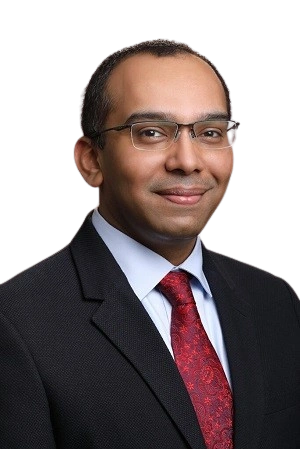
Dr. Vidhyadharan Sivakumar
MCh (Head & Neck Surgery), FEB-ORL HNS, MS (ENT) Gold Medal
Clinical Director & Senior Consultant at THANC Hospital, Chennai. Co-Editor of "Comprehensive Management of Head and Neck Cancer" (2021) with 40+ publications. Team Leader for India's first TORS-assisted Total Laryngectomy (2022). 15+ years experience with over 3000 complex surgeries.