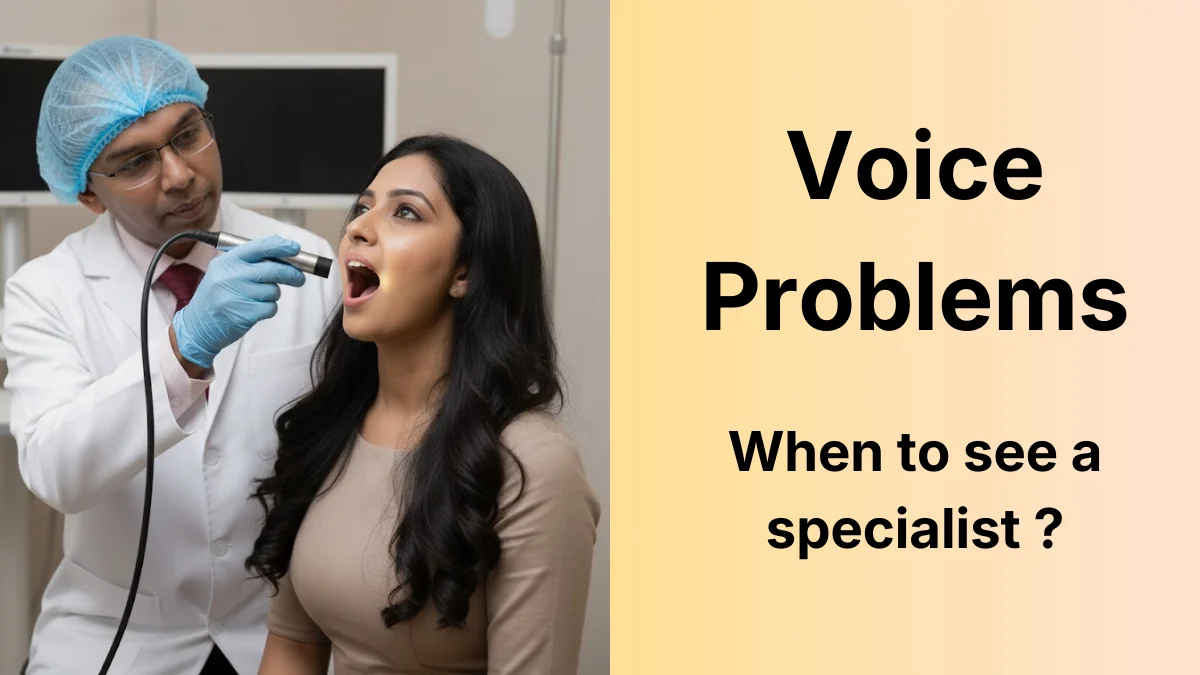
Teacher Voice Strain: Hoarseness Treatment Chennai
Need expert consultation? Book an appointment with Dr. Vidhyadharan at THANC Hospital.
Book AppointmentTeachers, lecturers, trainers, and call center professionals rely heavily on their voices. But what happens when your most valuable tool starts to fail? Teacher voice strain, leading to chronic hoarseness, is a common problem in Chennai and beyond. This guide, brought to you by Dr. Vidhyadharan Sivakumar at THANC Hospital, Chennai, provides comprehensive insights into the causes, prevention, and treatment of voice strain, helping you regain your vocal health and confidence.
Understanding Teacher Voice Strain and Hoarseness
Teacher voice strain, also known as vocal fatigue or vocal abuse, is a condition characterized by hoarseness, vocal fatigue, and discomfort in the throat. It primarily affects individuals who use their voices extensively for professional purposes, such as teachers, lecturers, trainers, and call center professionals. The constant speaking, often in noisy environments, puts significant strain on the vocal cords, leading to inflammation, muscle tension, and the development of vocal lesions.
Why are teachers particularly vulnerable?
- Prolonged Speaking: Teachers spend hours each day talking, often without proper vocal techniques.
- Classroom Noise: Overcoming classroom noise requires teachers to raise their voices, increasing vocal strain.
- Poor Acoustics: Classrooms with poor acoustics can further exacerbate vocal strain by requiring teachers to project their voices even more.
- Lack of Training: Many teachers lack formal training in vocal hygiene and proper speaking techniques.
Common Causes of Hoarseness in Teachers
Several factors can contribute to hoarseness and voice strain in teachers:
- Vocal Cord Nodules: These are small, benign growths on the vocal cords caused by chronic vocal abuse. They are one of the most common causes of hoarseness in teachers.
- Vocal Cord Polyps: Similar to nodules, polyps are also benign growths on the vocal cords, but they tend to be larger and more vascular.
- Laryngitis: Inflammation of the larynx (voice box), often caused by viral infections or vocal overuse.
- Muscle Tension Dysphonia: Excessive tension in the muscles around the larynx, leading to a strained and hoarse voice.
- Acid Reflux (Laryngopharyngeal Reflux - LPR): Stomach acid refluxing into the larynx can irritate the vocal cords and cause hoarseness.
- Allergies and Sinus Infections: These conditions can lead to postnasal drip, which can irritate the vocal cords.
- Smoking and Alcohol: These habits can dry out and irritate the vocal cords, increasing the risk of hoarseness.
Recognizing the Symptoms: Is Your Voice at Risk?
Early detection is crucial for effective management of teacher voice strain. Be aware of the following symptoms:
- Persistent Hoarseness: A raspy or breathy voice that lasts for more than two weeks.
- Vocal Fatigue: Feeling tired or strained after speaking for extended periods.
- Pain or Discomfort in the Throat: A feeling of tightness, soreness, or pain when speaking.
- Difficulty Projecting the Voice: Inability to speak loudly or clearly without straining.
- Frequent Need to Clear the Throat: A constant urge to clear the throat, often accompanied by a dry cough.
- Voice Breaks: Sudden interruptions or changes in voice quality.
- Loss of Vocal Range: Difficulty hitting high or low notes.
- A feeling of a lump in the throat (Globus sensation)
If you experience any of these symptoms, it's essential to seek professional help from a qualified ENT specialist or voice therapist.
Diagnosis: Finding the Root Cause of Your Voice Problems
A thorough diagnosis is crucial to determine the underlying cause of your voice problems and develop an appropriate treatment plan. Dr. Vidhyadharan at THANC Hospital, Chennai, employs a comprehensive approach to voice evaluation, including:
- Medical History: A detailed review of your medical history, including any previous voice problems, medical conditions, and lifestyle factors.
- Physical Examination: Examination of the head and neck to rule out any structural abnormalities.
- Laryngoscopy: A procedure that allows the doctor to visualize the vocal cords using a flexible or rigid scope.
- Stroboscopy: A specialized type of laryngoscopy that uses a strobe light to assess the vibration of the vocal cords. This helps identify subtle abnormalities like vocal cord nodules or polyps.
- Acoustic Analysis: Computerized analysis of your voice to measure various parameters, such as pitch, loudness, and voice quality.
- Aerodynamic Assessment: Measurement of airflow and pressure during speech to assess vocal cord function.
- Voice Handicap Index (VHI): A questionnaire to assess the impact of your voice problems on your daily life.
Treatment Options: Regaining Your Vocal Power
The treatment for teacher voice strain depends on the underlying cause and the severity of the symptoms. Common treatment options include:
-
Voice Therapy: This is often the first-line treatment for voice strain. A qualified speech-language pathologist will teach you proper vocal techniques, breathing exercises, and strategies to reduce vocal strain. Voice therapy can help you improve your vocal quality, increase your vocal endurance, and prevent future voice problems.
- Vocal Hygiene Education: Learning about factors that affect your voice, such as hydration, diet, and lifestyle habits.
- Breathing Exercises: Improving breath support for speech to reduce vocal strain.
- Vocal Cord Exercises: Strengthening and coordinating the muscles of the larynx.
- Resonance Training: Optimizing the way your voice resonates in your head and neck.
-
Medications:
- Anti-inflammatory Medications: To reduce inflammation of the vocal cords.
- Mucolytics: To thin mucus and make it easier to clear the throat.
- Proton Pump Inhibitors (PPIs): To treat acid reflux.
- Allergy Medications: To manage allergies and reduce postnasal drip.
-
Surgery: In some cases, surgery may be necessary to remove vocal cord nodules, polyps, or other lesions. Dr. Vidhyadharan is an expert in minimally invasive surgical techniques, including:
- Microsurgery: Using a microscope to precisely remove lesions from the vocal cords.
- Transoral Robotic Surgery (TORS): A minimally invasive surgical approach using the da Vinci robotic system to access and remove lesions from the larynx. Dr. Vidhyadharan Sivakumar is one of the pioneers of TORS in India. In fact, he performed India's First TORS-assisted Total Laryngectomy in 2022.
Treatment Option Description Success Rate (Approximate) Voice Therapy Exercises and techniques to improve vocal hygiene, breathing, and vocal cord coordination. 70-85% Medications Anti-inflammatories, mucolytics, PPIs, and allergy medications to address underlying causes. Varies by condition Microsurgery Precise removal of vocal cord lesions using a microscope. 85-95% TORS (Robotic Surgery) Minimally invasive removal of lesions using the da Vinci robotic system. Offers enhanced precision and faster recovery. 90-98%
If you're experiencing persistent hoarseness, vocal fatigue, or other voice problems, early consultation is crucial. Book an appointment with Dr. Vidhyadharan at THANC Hospital, Chennai.
Professional Voice Care: THANC Hospital's Comprehensive Approach
THANC (The Head and Neck Centre & Hospital) Hospital in Chennai offers a comprehensive voice clinic dedicated to the diagnosis and treatment of voice disorders. Dr. Vidhyadharan Sivakumar and his team provide personalized care tailored to the specific needs of each patient, including:
- Comprehensive Voice Evaluation: Thorough assessment of your voice using state-of-the-art equipment.
- Personalized Treatment Plans: Customized treatment plans based on your diagnosis and individual goals.
- Voice Therapy: Individualized voice therapy sessions with experienced speech-language pathologists.
- Surgical Expertise: Access to advanced surgical techniques, including microsurgery and transoral robotic surgery (TORS).
- Professional Voice Training: Training for singers, teachers, and other professionals to optimize vocal performance and prevent voice problems.
Dr. Vidhyadharan's expertise extends to laryngeal reinnervation for vocal cord paralysis, a groundbreaking procedure that he pioneered in Tamil Nadu. He also utilizes stroboscopy and FEES (Flexible Endoscopic Evaluation of Swallowing) for comprehensive voice and swallowing evaluations.
Prevention is Key: Protecting Your Voice for the Long Term
Preventing voice strain is always better than treating it. Here are some tips for protecting your voice:
- Practice Good Vocal Hygiene:
- Stay hydrated by drinking plenty of water throughout the day.
- Avoid excessive caffeine and alcohol, which can dehydrate the vocal cords.
- Avoid smoking, which irritates the vocal cords.
- Limit your intake of dairy products, which can increase mucus production.
- Use Proper Vocal Techniques:
- Speak at a comfortable volume and pitch.
- Avoid shouting or yelling.
- Use proper breathing techniques to support your voice.
- Take frequent voice breaks during long periods of speaking.
- Warm up your voice before speaking for extended periods.
- Optimize Your Environment:
- Use a microphone when speaking in large rooms or noisy environments.
- Ensure good acoustics in your classroom or workspace.
- Use a humidifier to keep the air moist, especially during dry months.
- Address Underlying Medical Conditions:
- Treat acid reflux, allergies, and sinus infections.
- Manage stress and anxiety, which can contribute to muscle tension dysphonia.
- Seek Professional Help:
- Consult with an ENT specialist or voice therapist if you experience persistent voice problems.
- Consider voice training to learn proper vocal techniques and prevent voice strain.
The Importance of Early Intervention
Ignoring voice problems can lead to chronic hoarseness, vocal fatigue, and the development of vocal cord lesions. Early intervention is crucial to prevent these long-term complications and regain your vocal health.
Statistics to Consider:
- Studies show that teachers are at a significantly higher risk of developing voice disorders compared to the general population.
- Approximately 11% of teachers experience a voice disorder at some point in their career.
- Vocal cord nodules are the most common cause of hoarseness in teachers, accounting for up to 60% of cases.
- Early voice therapy can significantly improve vocal quality and reduce the risk of surgery.
In my practice, I often see teachers who have delayed seeking treatment for their voice problems, leading to more severe and difficult-to-treat conditions. Don't wait until your voice is severely damaged. Seek professional help at the first sign of trouble.
Patients often ask me, "Is my voice problem serious?" The answer depends on the underlying cause and the severity of the symptoms. However, any persistent hoarseness or voice change that lasts for more than two weeks should be evaluated by a qualified ENT specialist.
Dr. Vidhyadharan Sivakumar: Your Voice Expert in Chennai
Dr. Vidhyadharan Sivakumar is an internationally trained Head & Neck Surgical Oncologist with extensive experience in the diagnosis and treatment of voice disorders. As the Clinical Director & Senior Consultant at THANC Hospital in Chennai, he provides comprehensive voice care for teachers, lecturers, trainers, and other professionals.
Dr. Vidhyadharan's Qualifications and Expertise:
- MCh (Head & Neck Surgery) - Amrita Institute
- MS (Otorhinolaryngology) - First Mark & Gold Medal - Annamalai University (2009)
- DNB (Otorhinolaryngology)
- MBBS - Sri Ramachandra Medical College
- Fellow, Indian College of Robotic Surgeons (FICRS)
- Fellow, European Board of Otorhinolaryngology (FEB-ORL HNS)
- Trained across 8 countries (Australia, Taiwan, Singapore, Korea, Canada, etc.)
Dr. Vidhyadharan's Specializations:
- Voice Disorders (Hoarseness, Vocal Cord Issues)
- Laryngeal Reinnervation for Vocal Cord Paralysis
- Transoral Robotic Surgery (TORS)
- Professional Voice Care for Singers, Teachers, and Other Professionals
Dr. Vidhyadharan's Achievements:
- India's First TORS-assisted Total Laryngectomy (2022)
- World's First Endo-Robotic Surgery Team Member (2023)
- Rising Star Award in Onco-Phagosurgery (2019)
- 40+ peer-reviewed publications including The Laryngoscope
- 7+ book chapters including Stell & Maran's Textbook 6th Edition
For personalized treatment options and expert care, consult Dr. Vidhyadharan Sivakumar at THANC Hospital. Call +91 73059 53378 or book an appointment.
Have questions about your condition? Schedule a consultation with Dr. Vidhyadharan, a fellowship-trained head and neck surgeon with 15+ years of specialist practice.
References
- Sataloff, R. T. Professional Voice: The Science and Art of Clinical Care. Plural Publishing, 2017.
- American Speech-Language-Hearing Association (ASHA). "Voice Disorders." https://www.asha.org/public/speech/disorders/voice/
- Verdolini Abbott, K., Li, N. Y., Rosen, C. A., Ford, C. N., & Titze, I. R. (2006). Vocal exercise dosage: quantifying the relation between acoustic input and output. Journal of Voice, 20(3), 371-379.
- ন্যাশনাল ইনস্টিটিউট অন ডেফনেস এবং অন্যান্য যোগাযোগ ব্যাধি (NIDCD). "Voice Problems." https://www.nidcd.nih.gov/health/voice-problems
- Johns, M. M. III. "Voice disorders in teachers." The Laryngoscope, 113(6), 943-949, 2003.
- NCCN Guidelines. Head and Neck Cancers. Version 2.2024.
- WHO/IARC publications.
Authored by
Dr. Vidhyadharan Sivakumar
MCh (Head & Neck Surgery), FEB-ORL HNS, MS (ENT) Gold Medal
Clinical Director & Senior Consultant at THANC Hospital, Chennai. Co-Editor of "Comprehensive Management of Head and Neck Cancer" (2021) with 40+ publications. Team Leader for India's first TORS-assisted Total Laryngectomy (2022). 15+ years experience with over 3000 complex surgeries.