Voice Problems Chennai | When to See a Specialist
Need expert consultation? Book an appointment with Dr. Vidhyadharan at THANC Hospital.
Book AppointmentVoice problems such as persistent hoarseness, vocal cord paralysis, and voice fatigue affect thousands of people in Chennai each year. Dr. Vidhyadharan Sivakumar, India's TORS pioneer with 3000+ complex surgeries, provides comprehensive voice disorder diagnosis and treatment at THANC Hospital, Kilpauk, Chennai. This guide explains when voice problems require specialist attention and what treatment options are available.
Your Voice Matters
Your voice is one of your most important communication tools. Whether you're a teacher, singer, business professional, or simply enjoy conversation, voice problems can significantly impact your quality of life and professional success. If you are a professional voice user, such as a singer, teacher, public speaker, or lawyer, maintaining vocal health is critical to your career. The specialized Voice Clinic at THANC Hospital offers advanced diagnostics and tailored treatments specifically designed for high-demand voice users.
Common Voice Disorders
1. Vocal Cord Nodules ("Singer's Nodules")
What are they? Callous-like thickenings that develop on both vocal cords due to voice overuse or abuse.
Who gets them? Teachers, singers, salespeople, and anyone who uses their voice extensively.
Symptoms:
- Progressive hoarseness
- Voice fatigue (voice worsens throughout the day)
- Effortful speaking
- Need to clear throat frequently
- Loss of vocal range (especially high notes for singers)
2. Vocal Cord Polyps
What are they? Fluid-filled or hemorrhagic lesions, usually on one vocal cord.
Causes:
- Acute vocal trauma (shouting at a sports event)
- Chronic voice abuse
- Smoking
- Acid reflux
Symptoms:
- Sudden or gradual hoarseness
- Breathy voice quality
- Diplophonia (double-pitched voice)
3. Vocal Cord Cysts
What are they? Enclosed sacs containing fluid or semi-solid material within the vocal cord.
Characteristics:
- Often congenital (present from birth)
- May cause lifetime voice problems
- Don't respond to voice therapy alone
Symptoms:
- Chronic hoarseness since childhood
- Vocal fatigue
- Limited vocal range
4. Vocal Cord Paralysis
What is it? Loss of movement in one or both vocal cords.
Causes:
- Thyroid surgery
- Chest or neck surgery
- Viral infections
- Tumors affecting the nerve
- Sometimes no cause found (idiopathic)
Symptoms:
- Breathy, weak voice
- Difficulty being heard
- Shortness of breath while speaking
- Choking on liquids
- Ineffective cough
5. Spasmodic Dysphonia
What is it? A neurological disorder causing involuntary voice breaks.
Types:
- Adductor: Strained, strangled voice with breaks
- Abductor: Breathy, effortful voice
Treatment: Botulinum toxin (Botox) injections every 3-6 months
Red Flags: When to See a Specialist Immediately
The 2-Week Rule
Any hoarseness lasting more than 2-3 weeks requires evaluation by an ENT specialist, even if symptoms seem mild.
Warning Signs Needing Urgent Attention
- Hoarseness with difficulty breathing
- Blood in saliva or phlegm
- Neck lump with voice changes
- Difficulty swallowing with voice problems
- Unexplained weight loss
- History of smoking plus voice changes
Professional Voice Users
If you use your voice professionally (teacher, singer, actor, lawyer), seek evaluation even sooner – within 1-2 weeks of persistent voice changes.
Diagnostic Evaluation
Office Examination
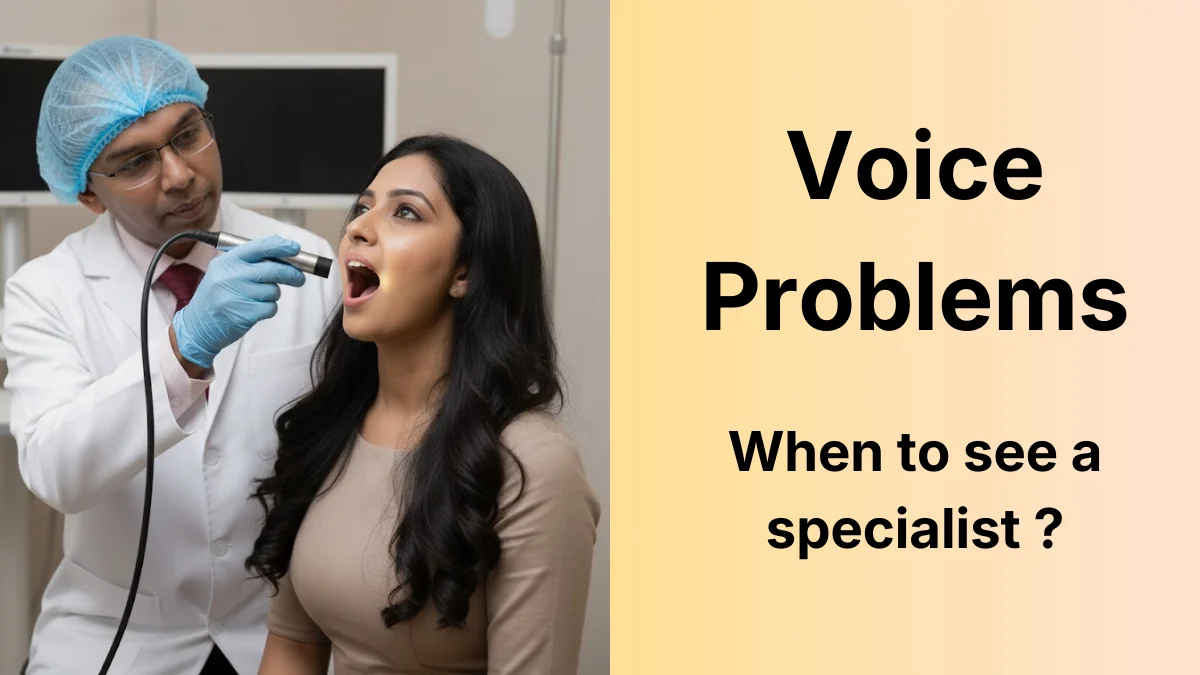
1. Flexible Laryngoscopy
- Painless office procedure
- Thin camera through nose to view voice box
- Can record for documentation
2. Videolaryngostroboscopy
- Specialized slow-motion visualization
- Shows vocal cord vibration patterns
- Essential for accurate diagnosis
- Helps plan treatment
3. Voice Assessment
- Acoustic analysis
- Perceptual evaluation
- Professional voice requirements
4. Optional Additional Tests
- CT or MRI if tumor suspected
- Laryngeal EMG for nerve problems
- Videofluoroscopy if swallowing affected
Treatment Options
Conservative Management
Voice Therapy
- First-line treatment for many conditions, available through our Voice Clinic
- Teaches proper voice use
- Reduces vocal trauma
- Highly effective for nodules and muscle tension
Voice Therapy Components:
- Vocal Hygiene: Hydration, avoiding irritants
- Breathing Techniques: Proper breath support
- Resonance Training: Efficient voice production
- Reduction of Abusive Behaviors: Eliminating throat clearing, yelling
Medical Treatment
1. Reflux Management
- Proton pump inhibitors (PPIs)
- Diet and lifestyle modifications
- Elevation of head during sleep
2. Allergy Treatment
- Antihistamines
- Nasal steroids
- Allergy testing if indicated
3. Hydration
- Adequate water intake (8+ glasses daily)
- Room humidifiers
- Avoiding dehydrating substances (caffeine, alcohol)
Surgical Treatment
When is surgery needed?
- Polyps or cysts (usually require surgery)
- Nodules not responding to therapy
- Vocal cord paralysis affecting breathing or voice
- Cancerous lesions
Surgical Options:
1. Microsurgical Phonosurgery
- Microscopic removal of lesions
- Preserves normal vocal cord tissue
- Done through mouth (no external scar)
- 1-2 weeks voice rest post-op
- Followed by voice therapy
2. Injection Laryngoplasty
- For vocal cord paralysis or atrophy
- Injectable material bulks up paralyzed cord
- Can be done in office or OR
- Immediate voice improvement
3. Medialization Thyroplasty
- Permanent solution for vocal cord paralysis
- Implant pushes paralyzed cord toward midline
- Excellent long-term results
- Preserves voice and prevents aspiration
4. Botox Injections
- For spasmodic dysphonia
- Weakens overactive muscles
- Results last 3-6 months
- Requires repeat injections
Voice Care for Prevention
Professional Voice Users
Daily Habits:
- Warm up voice before extensive use
- Stay hydrated throughout the day
- Take vocal rests between performances or classes
- Use amplification when addressing large groups
- Learn proper breathing and projection techniques
Avoid:
- Yelling or speaking loudly over noise
- Excessive throat clearing
- Smoking and secondhand smoke
- Excessive caffeine or alcohol
- Speaking extensively when ill
General Population
Healthy Voice Practices:
- Hydration: 8+ glasses of water daily
- Avoid Irritants: Smoking, pollutants
- Manage Reflux: Proper diet and medications
- Use Voice Wisely: Don't strain or force voice
- Rest When Ill: Voice rest during laryngitis
Recovery and Rehabilitation
After Voice Surgery
Immediate Post-Op (Days 1-7):
- Complete voice rest (writing communication)
- No whispering (actually more stressful on cords)
- Humidification
- Gradual voice use under guidance
Rehabilitation Phase (Weeks 2-12):
- Structured voice therapy
- Gradual return to normal voice use
- Modification of vocal techniques
- Professional voice coaching if needed
Expected Timeline:
- Basic voice return: 2-4 weeks
- Full voice recovery: 6-12 weeks
- Professional voice: 3-6 months
Special Considerations
Teachers
- Highest risk profession for voice disorders
- Should learn vocal amplification techniques
- Regular voice therapy check-ups recommended
- Classroom modifications (using microphones)
Singers
- Require specialized care
- Pre-performance optimization
- Recovery from performances
- Collaboration with voice coaches
Aging Voice
- Normal age-related voice changes
- Muscle atrophy of vocal cords
- Can be helped with voice therapy
- Injection augmentation for severe cases
Why Choose Dr. Vidhyadharan for Voice Disorders
Dr. Vidhyadharan Sivakumar brings specialized credentials to voice disorder care at THANC Hospital:
- MCh (Head & Neck Surgery) - Amrita Institute
- MS (Otorhinolaryngology) - Gold Medal, First Mark - Annamalai University (2009)
- ASOHNS Clinical Fellowship - Royal Adelaide Hospital, Australia (2016-17)
- Fellow, European Board of Otorhinolaryngology (FEB-ORL HNS, 2018)
- Tamil Nadu's first laryngeal reinnervation
- 40+ peer-reviewed publications including The Laryngoscope
- 15+ years specialist practice | 3000+ complex surgeries
The THANC Difference
Comprehensive Voice Care
State-of-the-Art Diagnostics:
- High-definition videostroboscopy
- Acoustic voice analysis
- Flexible laryngoscopy with recording
Expert Treatment:
- European Board-certified laryngologist
- Experienced voice therapists
- Microsurgical expertise
- Botox injection therapy
Multidisciplinary Approach:
- ENT surgeon
- Speech-language pathologist
- Voice coach collaboration (when needed)
- Reflux management
Patients from across Chennai and Tamil Nadu, including Anna Nagar, Kilpauk, Nungambakkam, and T. Nagar, visit THANC Hospital for specialized voice care.
Success Stories
Many patients with voice disorders achieve excellent outcomes with proper treatment:
- Teachers return to classroom without voice fatigue
- Singers regain full vocal range and quality
- Professionals communicate effectively without strain
- Paralysis patients achieve functional voice and safe swallowing
Conclusion
Voice problems are common but highly treatable. The key is early recognition and appropriate intervention. Whether you need voice therapy, medical management, or surgery, modern treatments can help restore your voice and quality of life.
Don't let voice problems hold you back. If you're experiencing persistent hoarseness or voice changes, seek expert evaluation.
Concerned about your voice? Schedule a comprehensive voice evaluation with Dr. Vidhyadharan at THANC Hospital.
Phone: +91 73059 53378 | Location: THANC Hospital, Kilpauk, Chennai
Specialized videostroboscopy available for accurate diagnosis and treatment planning.
Related reading:
Authored by
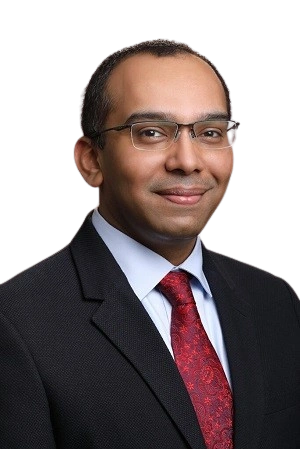
Dr. Vidhyadharan Sivakumar
MCh (Head & Neck Surgery), FEB-ORL HNS, MS (ENT) Gold Medal
Clinical Director & Senior Consultant at THANC Hospital, Chennai. Co-Editor of "Comprehensive Management of Head and Neck Cancer" (2021) with 40+ publications. Team Leader for India's first TORS-assisted Total Laryngectomy (2022). 15+ years experience with over 3000 complex surgeries.