Thyroid Cancer Surgery Guide Chennai | THANC
Need expert consultation? Book an appointment with Dr. Vidhyadharan at THANC Hospital.
Book AppointmentThyroid cancer surgery in Chennai is performed with precision and expertise at THANC Hospital, Kilpauk, by Dr. Vidhyadharan Sivakumar, a European Board-certified head and neck surgeon with 3000+ complex surgeries. While the diagnosis can be daunting, thyroid cancer is often highly treatable, especially when detected early. This guide covers thyroid cancer diagnosis, surgical treatment options, recovery, and long-term management available for patients across Chennai and Tamil Nadu.
Understanding Thyroid Cancer
Thyroid cancer arises when cells within the thyroid gland undergo abnormal changes and begin to grow uncontrollably. There are several types of thyroid cancer, each with distinct characteristics and treatment approaches.
Types of Thyroid Cancer
- Papillary Thyroid Cancer: The most common type, accounting for approximately 80% of cases. It typically grows slowly and often spreads to nearby lymph nodes.
- Follicular Thyroid Cancer: The second most common type, representing about 10-15% of cases. It also grows slowly but is more likely to spread to distant sites like the lungs or bones.
- Medullary Thyroid Cancer: A less common type (around 4%), originating from C cells in the thyroid that produce calcitonin. It can be associated with inherited genetic syndromes.
- Anaplastic Thyroid Cancer: A rare and aggressive form of thyroid cancer, accounting for less than 2% of cases. It grows rapidly and is often difficult to treat.
Risk Factors for Thyroid Cancer
While the exact cause of thyroid cancer is often unknown, certain factors can increase the risk:
- Radiation Exposure: Exposure to high levels of radiation, particularly during childhood, can increase the risk.
- Family History: Having a family history of thyroid cancer or certain genetic syndromes (e.g., MEN2) can elevate the risk.
- Age and Gender: Thyroid cancer is more common in women and typically diagnosed between the ages of 30 and 50.
- Iodine Deficiency: In some regions with iodine deficiency, the risk of follicular thyroid cancer may be higher.
Diagnosing Thyroid Cancer
Early detection is crucial for successful thyroid cancer treatment. The diagnostic process typically involves:
Physical Examination
A doctor will examine your neck to check for any lumps, swelling, or enlarged lymph nodes.
Blood Tests
Blood tests can measure thyroid hormone levels (TSH, T3, T4) and calcitonin levels (for medullary thyroid cancer).
Ultrasound
A thyroid ultrasound uses sound waves to create images of the thyroid gland, helping to identify nodules or abnormalities.
Fine Needle Aspiration (FNA) Biopsy
FNA biopsy is the most accurate way to determine if a thyroid nodule is cancerous. A thin needle is used to collect cells from the nodule for microscopic examination.
Radioactive Iodine Scan
In some cases, a radioactive iodine scan may be performed to assess the function of thyroid nodules and identify any areas of abnormal iodine uptake.
Thyroid Cancer Surgery: The Core Treatment
Surgery is the primary treatment for most types of thyroid cancer. The goal of surgery is to remove the cancerous tissue while preserving as much normal thyroid function as possible. Dr. Vidhyadharan Sivakumar, with his extensive experience in head and neck surgery, tailors the surgical approach to each patient's specific needs.
Types of Thyroid Surgery
- Total Thyroidectomy: Removal of the entire thyroid gland. This is often recommended for larger tumors, multifocal disease, or when cancer has spread to lymph nodes.
- Thyroid Lobectomy (Hemithyroidectomy): Removal of one lobe of the thyroid gland. This may be an option for small, low-risk tumors confined to one lobe.
- Lymph Node Dissection: Removal of lymph nodes in the neck if cancer has spread to these areas. This is often performed in conjunction with a total thyroidectomy.
Surgical Techniques
Dr. Vidhyadharan employs advanced surgical techniques to minimize scarring and complications:
- Conventional Open Surgery: This involves making an incision in the neck to access the thyroid gland.
- Minimally Invasive Thyroid Surgery: This approach uses smaller incisions and specialized instruments to remove the thyroid gland. It may result in less pain and a faster recovery.
- Transoral Endoscopic Thyroidectomy Vestibular Approach (TOETVA): A newer minimally invasive technique where the thyroid is removed through incisions inside the mouth, leaving no visible scar on the neck. While not suitable for all patients, it offers excellent cosmetic results.
Dr. Vidhyadharan carefully evaluates each patient to determine the most appropriate surgical technique based on their individual anatomy, tumor characteristics, and preferences.
Before Surgery: Preparation
Before thyroid cancer surgery, patients undergo a thorough medical evaluation to ensure they are fit for surgery. This may include:
- Medical History and Physical Exam: To assess overall health and identify any potential risk factors.
- Blood Tests: To check thyroid hormone levels, blood clotting, and kidney function.
- Electrocardiogram (ECG): To evaluate heart function.
- Imaging Studies: Such as CT scans or MRI, to assess the extent of the tumor and any spread to nearby structures.
Patients are also advised to:
- Stop Taking Certain Medications: Such as blood thinners, aspirin, and NSAIDs, before surgery to reduce the risk of bleeding.
- Avoid Smoking and Alcohol: For several weeks before surgery to promote healing.
- Maintain a Healthy Diet: To ensure optimal nutrition and energy levels.
During Surgery: What to Expect
Thyroid cancer surgery is typically performed under general anesthesia, meaning you will be asleep during the procedure. The surgery usually takes 1-3 hours, depending on the extent of the surgery and whether lymph node dissection is required.
The surgical steps generally involve:
- Incision: Making an incision in the neck (or inside the mouth for TOETVA).
- Exposure: Carefully exposing the thyroid gland and surrounding structures, including the recurrent laryngeal nerve (which controls voice) and the parathyroid glands (which regulate calcium levels).
- Resection: Removing the thyroid gland (or part of it) and any affected lymph nodes.
- Closure: Closing the incision with sutures or staples.
Dr. Vidhyadharan uses nerve monitoring during surgery to help protect the recurrent laryngeal nerve and minimize the risk of voice changes.
After Surgery: Recovery and Care
After thyroid cancer surgery, patients typically stay in the hospital for 1-2 days. During this time, they are monitored for any complications, such as bleeding, infection, or low calcium levels.
Post-operative care includes:
- Pain Management: Pain medication is prescribed to manage any discomfort after surgery.
- Wound Care: Instructions are provided on how to care for the incision site to prevent infection.
- Monitoring Calcium Levels: Blood tests are performed to monitor calcium levels, as the parathyroid glands can sometimes be temporarily affected by surgery.
- Thyroid Hormone Replacement: If the entire thyroid gland is removed, patients will need to take thyroid hormone replacement medication (levothyroxine) for life.
Patients often ask about the scar after thyroid surgery. With meticulous surgical technique and proper wound care, the scar usually fades significantly over time.
Potential Risks and Complications
While thyroid cancer surgery is generally safe, potential risks and complications include:
- Bleeding: Bleeding can occur after surgery, requiring further intervention.
- Infection: Infection at the incision site is a rare but possible complication.
- Hypoparathyroidism: Damage to the parathyroid glands can lead to low calcium levels, requiring calcium supplementation.
- Recurrent Laryngeal Nerve Injury: Injury to the recurrent laryngeal nerve can cause voice changes, such as hoarseness or a weak voice. In rare cases, it can affect breathing.
- Hypothyroidism: If only part of the thyroid gland is removed, the remaining tissue may not produce enough thyroid hormone, requiring thyroid hormone replacement.
Dr. Vidhyadharan takes every precaution to minimize these risks and ensure the best possible outcome for his patients.
Other Treatment Options for Thyroid Cancer
While surgery is the primary treatment, other options may be used in conjunction with surgery or as an alternative, depending on the type and stage of thyroid cancer.
Radioactive Iodine (RAI) Therapy
RAI therapy uses radioactive iodine to destroy any remaining thyroid tissue after surgery, as well as any cancer cells that may have spread to other parts of the body. It is commonly used for papillary and follicular thyroid cancer.
External Beam Radiation Therapy
External beam radiation therapy uses high-energy beams to target and destroy cancer cells. It may be used for more aggressive types of thyroid cancer or when surgery is not possible.
Thyroid Hormone Therapy
Thyroid hormone therapy involves taking levothyroxine, a synthetic thyroid hormone, to replace the hormone that the thyroid gland no longer produces. It also helps to suppress the growth of any remaining cancer cells.
Targeted Therapy
Targeted therapy drugs target specific molecules involved in cancer cell growth and spread. They may be used for advanced thyroid cancer that has not responded to other treatments.
Chemotherapy
Chemotherapy uses drugs to kill cancer cells. It is rarely used for thyroid cancer, except in cases of anaplastic thyroid cancer.
Follow-up Care and Long-Term Management
After thyroid cancer treatment, regular follow-up care is essential to monitor for any recurrence and manage any long-term side effects.
Follow-up care may include:
- Physical Examinations: Regular check-ups with your doctor to examine your neck for any lumps or swelling.
- Blood Tests: To monitor thyroid hormone levels and thyroglobulin levels (a marker for thyroid cancer).
- Ultrasound: To image the thyroid bed and lymph nodes.
- Radioactive Iodine Scans: To detect any recurrence of cancer.
Long-term management may involve:
- Thyroid Hormone Replacement Therapy: Lifelong treatment with levothyroxine to replace the thyroid hormone that the body no longer produces.
- Calcium and Vitamin D Supplementation: If hypoparathyroidism develops after surgery.
- Voice Therapy: If voice changes persist after surgery.
Success Rates of Thyroid Cancer Surgery
The success rates of thyroid cancer surgery are generally very high, especially for papillary and follicular thyroid cancer. According to the American Thyroid Association, the 10-year survival rate for papillary thyroid cancer is over 90%. For follicular thyroid cancer, the 10-year survival rate is around 85%. These rates are influenced by factors such as the stage of the cancer at diagnosis, the patient's age and overall health, and the expertise of the surgical team. Dr. Vidhyadharan's commitment to excellence ensures that patients at THANC Hospital receive the highest quality care, maximizing their chances of a successful outcome.
| Type of Thyroid Cancer | 10-Year Survival Rate (Approximate) |
|---|---|
| Papillary Thyroid Cancer | >90% |
| Follicular Thyroid Cancer | 85% |
| Medullary Thyroid Cancer | 70-80% |
| Anaplastic Thyroid Cancer | Significantly Lower |
Note: Survival rates are approximate and can vary based on individual factors. Consult with your doctor for personalized information.
Why Choose Dr. Vidhyadharan at THANC Hospital for Thyroid Cancer Surgery?
THANC Hospital (The Head and Neck Centre & Hospital) in Kilpauk, Chennai, is a specialized center for head and neck cancer treatment, including thyroid cancer. Dr. Vidhyadharan Sivakumar, Clinical Director and Senior Consultant, is a fellowship-trained Head & Neck Surgical Oncologist with extensive experience in thyroid and parathyroid surgery.
Dr. Vidhyadharan's qualifications and expertise include:
- MCh (Head & Neck Surgery) - Amrita Institute
- MS (Otorhinolaryngology) - Gold Medal, First Mark - Annamalai University (2009)
- ASOHNS Clinical Fellowship - Royal Adelaide Hospital, Australia (2016-17)
- Fellow, European Board of Otorhinolaryngology (FEB-ORL HNS, 2018)
- Fellow, Indian College of Robotic Surgeons (FICRS)
- Co-Editor of "Comprehensive Management of Head and Neck Cancer" (Jaypee Brothers, 2021)
- 40+ peer-reviewed publications including The Laryngoscope
- 15+ years specialist practice | 3000+ complex surgeries
Patients at THANC Hospital benefit from:
- Expert Surgical Care: Dr. Vidhyadharan's meticulous surgical technique and commitment to preserving function.
- Advanced Technology: Access to state-of-the-art surgical equipment and minimally invasive techniques.
- Multidisciplinary Team: A team of experienced oncologists, surgeons, radiation oncologists, and other specialists working together to provide comprehensive care.
- Personalized Treatment Plans: Treatment plans tailored to each patient's individual needs and preferences.
- Compassionate Care: A supportive and caring environment to help patients through their cancer journey.
For personalized treatment options and expert care, consult Dr. Vidhyadharan Sivakumar at THANC Hospital, Kilpauk, Chennai, easily accessible from Anna Nagar, Nungambakkam, and T. Nagar. Call +91 73059 53378 or request an appointment online.
If you're experiencing a neck lump, hoarseness, or difficulty swallowing, early consultation is crucial. Book an appointment with Dr. Vidhyadharan at THANC Hospital, Chennai.
Related Resources
- Thyroid Surgery at THANC Hospital
- Thyroidectomy Recovery: What to Expect
- Thyroid Nodules: Causes, Symptoms & Treatment
- Neck Lump: When to Worry
- Dr. Vidhyadharan's Academic Profile
References
- Haugen, B. R., Alexander, E. K., Bible, K. C., Doherty, G. M., Mandel, S. J., Nikiforov, Y. E., ... & Tuttle, R. M. (2015). 2015 American Thyroid Association management guidelines for adult patients with thyroid nodules and differentiated thyroid cancer: The American Thyroid Association Guidelines Task Force on Thyroid Nodules and Differentiated Thyroid Cancer. Thyroid, 26(1), 1-133.
- National Comprehensive Cancer Network (NCCN). (2023). NCCN Clinical Practice Guidelines in Oncology (NCCN Guidelines®) for Thyroid Carcinoma. Version 2.2023.
- Thyroid Cancer Basics. (n.d.). National Cancer Institute. https://www.cancer.gov/types/thyroid/patient/thyroid-treatment-pdq
- American Thyroid Association. (n.d.). Thyroid Cancer. https://www.thyroid.org/thyroid-cancer/
- World Health Organization. (2020). WHO Classification of Tumours of Endocrine Organs. Lyon, France: International Agency for Research on Cancer (IARC).
- Nikiforov, Y. E., & Baloch, Z. W. (2019). Thyroid incidentaloma, discovery of increasingly indolent thyroid cancers. JAMA internal medicine, 179(10), 1341-1342.
- Durante, C., et al. "Papillary thyroid cancer: a clinical update." The Lancet Diabetes & Endocrinology 7.11 (2019): 914-926.
- Ito, Y., Miyauchi, A., Inoue, H., Uruno, T., & Takamura, Y. (2010). An observation trial without surgical treatment in patients with papillary microcarcinoma of the thyroid. Thyroid, 20(10), 1051-1055.
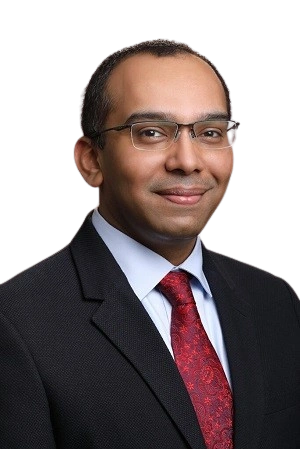
Authored by
Dr. Vidhyadharan Sivakumar
MCh (Head & Neck Surgery), FEB-ORL HNS, MS (ENT) Gold Medal
Clinical Director & Senior Consultant at THANC Hospital, Chennai. Co-Editor of "Comprehensive Management of Head and Neck Cancer" (2021) with 40+ publications. Team Leader for India's first TORS-assisted Total Laryngectomy (2022). 15+ years experience with over 3000 complex surgeries.