Thyroidectomy Recovery: What to Expect in Chennai
Need expert consultation? Book an appointment with Dr. Vidhyadharan at THANC Hospital.
Book AppointmentThyroidectomy recovery is a common concern for patients considering thyroid surgery in Chennai. Dr. Vidhyadharan Sivakumar, a European Board-certified head and neck surgeon with 3000+ complex surgeries, guides patients through every stage of recovery at THANC Hospital, Kilpauk, Chennai. This guide covers the full thyroidectomy recovery timeline, potential complications, and what to expect at each phase.
Understanding Thyroidectomy: Why It's Performed
A thyroidectomy is primarily performed for three main reasons:
- Thyroid Cancer: This is the most common reason for thyroidectomy. The surgery aims to remove the cancerous tissue and prevent its spread.
- Non-Cancerous Thyroid Nodules: Large or symptomatic nodules can cause difficulty swallowing or breathing, necessitating surgical removal.
- Hyperthyroidism: In cases where medication or radioactive iodine therapy are ineffective in controlling an overactive thyroid, surgery may be recommended.
Dr. Vidhyadharan Sivakumar, with his 15+ years of specialist practice in head and neck surgery, including an MCh in Head & Neck Surgery from Amrita Institute and MS (ENT) Gold Medal, First Mark from Annamalai University (2009), emphasizes the importance of a thorough evaluation to determine the most appropriate treatment plan for each patient.
Immediate Post-Operative Period (First 24-48 Hours)
Following your thyroidectomy, you will be closely monitored in the recovery room. Here's what to expect:
- Pain Management: Pain medication will be administered to manage post-operative discomfort.
- Wound Care: The surgical site will be covered with a dressing. A small drain may be placed to prevent fluid accumulation.
- Voice Monitoring: Your voice will be assessed to monitor for any signs of recurrent laryngeal nerve injury.
- Calcium Levels: Blood tests will be conducted to monitor calcium levels, as the parathyroid glands (located near the thyroid) can be temporarily affected during surgery.
Dr. Vidhyadharan’s team at THANC Hospital proactively manages pain with a combination of medications and techniques to ensure patient comfort.
The First Week: Managing Discomfort and Monitoring Symptoms
The first week after thyroidectomy is crucial for healing and monitoring potential complications.
- Pain and Swelling: Expect some pain and swelling around the incision site. Continue taking pain medication as prescribed. Applying ice packs can help reduce swelling.
- Wound Care: Keep the incision site clean and dry. Follow your surgeon's instructions for dressing changes.
- Voice Changes: Some hoarseness or voice changes are common due to manipulation of the vocal cords during surgery. This usually resolves within a few weeks.
- Hypocalcemia: Watch for symptoms of low calcium levels, such as tingling in the fingers or around the mouth, muscle cramps, or spasms. Report these symptoms to your doctor immediately.
- Diet: Start with a soft diet and gradually progress to your normal diet as tolerated.
Patients at THANC Hospital have shared that following the post-operative instructions diligently, especially regarding wound care and medication, significantly eased their recovery process.
Weeks 2-4: Gradual Return to Normal Activities
As you progress into weeks 2-4, you'll likely experience a gradual improvement in your symptoms.
- Pain and Swelling: Pain and swelling should continue to subside.
- Activity Level: Gradually increase your activity level as tolerated. Avoid strenuous activities or heavy lifting for at least 2-3 weeks.
- Scar Management: Once the incision has healed, you can start using scar creams or silicone sheets to minimize scarring.
- Thyroid Hormone Replacement: If you had a total thyroidectomy, you will need to take thyroid hormone replacement medication (levothyroxine) for life. Your doctor will monitor your thyroid hormone levels and adjust the dosage as needed.
Long-Term Recovery and Monitoring
Long-term recovery after thyroidectomy involves ongoing monitoring and management of thyroid hormone levels.
- Thyroid Hormone Replacement: Regular blood tests are essential to ensure that you are taking the correct dose of levothyroxine.
- Scar Appearance: Scars typically fade over time, but they may remain visible. Various scar treatments can help improve their appearance.
- Potential Complications: While rare, long-term complications can include persistent hypocalcemia or recurrent laryngeal nerve injury.
Minimizing Risks and Ensuring a Smooth Recovery
Several factors can contribute to a smoother and faster recovery after thyroidectomy.
- Choosing an Experienced Surgeon: Selecting a surgeon with extensive experience in thyroid surgery, like Dr. Vidhyadharan Sivakumar, can minimize the risk of complications. His credentials include:
- MCh (Head & Neck Surgery) - Amrita Institute
- MS (Otorhinolaryngology) - Gold Medal, First Mark - Annamalai University (2009)
- ASOHNS Clinical Fellowship - Royal Adelaide Hospital, Australia (2016-17)
- Fellow, European Board of Otorhinolaryngology (FEB-ORL HNS, 2018)
- Fellow, Indian College of Robotic Surgeons (FICRS)
- 40+ peer-reviewed publications including The Laryngoscope
- 15+ years specialist practice | 3000+ complex surgeries
- Following Post-Operative Instructions: Adhering to your surgeon's instructions regarding wound care, medication, and activity level is crucial.
- Maintaining a Healthy Lifestyle: Eating a balanced diet, getting enough rest, and avoiding smoking can promote healing.
- Promptly Addressing Complications: Reporting any unusual symptoms or concerns to your doctor immediately can prevent minor issues from escalating.
Factors Influencing Recovery Time
Several factors can influence the duration and ease of recovery after a thyroidectomy:
- Extent of Surgery: A total thyroidectomy may require a longer adjustment period for hormone replacement compared to a partial thyroidectomy.
- Individual Healing Ability: Each person heals at a different rate.
- Pre-existing Medical Conditions: Underlying health issues can affect recovery.
- Adherence to Post-Operative Instructions: Diligent adherence to your surgeon's recommendations is paramount.
Thyroidectomy Techniques: Open vs. Minimally Invasive
The surgical approach can also impact recovery. Traditional open thyroidectomy involves a larger incision, while minimally invasive techniques, including Transoral Robotic Surgery (TORS) which Dr. Vidhyadharan Sivakumar specializes in, offer several advantages:
| Feature | Open Thyroidectomy | Minimally Invasive Thyroidectomy (including TORS) |
|---|---|---|
| Incision Size | Larger | Smaller |
| Scar Visibility | More Visible | Less Visible |
| Pain | More | Less |
| Recovery Time | Longer | Shorter |
| Hospital Stay | Longer | Shorter |
| Nerve Visualization | Direct | Enhanced (especially with TORS) |
Dr. Vidhyadharan was part of the World's First Endo-Robotic Surgery Team Member (2023), showcasing his expertise in cutting-edge surgical techniques.
The Importance of Expert Care in Chennai
Choosing the right medical team is essential for a successful thyroidectomy and recovery. Dr. Vidhyadharan Sivakumar at THANC Hospital in Chennai offers comprehensive and personalized care, leveraging his extensive experience and expertise in head and neck surgery. His achievements, including performing India's First TORS-assisted Total Laryngectomy (2022), demonstrate his commitment to providing the highest level of surgical care.
If you're experiencing thyroid issues, early consultation is crucial. Patients from across Chennai and Tamil Nadu, including Anna Nagar, Kilpauk, Nungambakkam, and T. Nagar, trust THANC Hospital for expert thyroid surgery care.
For personalized treatment options, consult Dr. Vidhyadharan Sivakumar at THANC Hospital. Call +91 73059 53378 or request an appointment online.
Related reading:
- Thyroid Cancer Surgery: A Complete Guide
- Thyroid Nodules: Causes, Symptoms & Treatment
- Voice Problems: When to See a Specialist
References
- Haugen BR, Alexander EK, Bible KC, et al. 2015 American Thyroid Association Management Guidelines for Adult Patients with Thyroid Nodules and Differentiated Thyroid Cancer: The American Thyroid Association Guidelines Task Force on Thyroid Nodules and Differentiated Thyroid Cancer. Thyroid. 2016;26(1):1-133. [https://www.thyroid.org/professionals/american-thyroid-association-guidelines/]
- National Comprehensive Cancer Network (NCCN). NCCN Guidelines for Thyroid Carcinoma. Version 2.2023. [https://www.nccn.org/guidelines/guidelines-detail?category=1&id=1476]
- American Association of Endocrine Surgeons (AAES). Thyroidectomy. [https://www.endocrinesurgery.org/thyroidectomy/]
- Stell PM, Maran AGD. Head and Neck Surgery. 6th ed. Butterworth-Heinemann; 2017.
- British Thyroid Association. UK Guidelines for the Management of Thyroid Cancer. 2nd ed. 2014. [https://www.british-thyroid-association.org/wp-content/uploads/2014/10/BTA-Guidelines-TMC-2014-FINAL.pdf]
- Carty SE, Cooper DS, Doherty GM, et al. Consensus statement on the terminology and classification of central neck dissection for thyroid cancer. Surgery. 2009;146(6):963-968.
- World Health Organization (WHO). International Agency for Research on Cancer (IARC). [https://www.iarc.fr/]
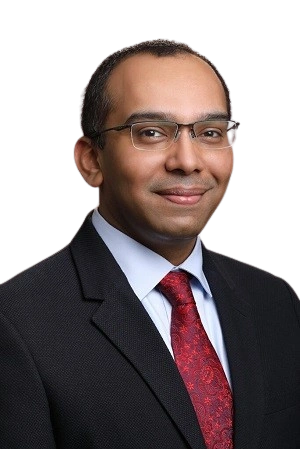
Authored by
Dr. Vidhyadharan Sivakumar
MCh (Head & Neck Surgery), FEB-ORL HNS, MS (ENT) Gold Medal
Clinical Director & Senior Consultant at THANC Hospital, Chennai. Co-Editor of "Comprehensive Management of Head and Neck Cancer" (2021) with 40+ publications. Team Leader for India's first TORS-assisted Total Laryngectomy (2022). 15+ years experience with over 3000 complex surgeries.