Thyroid Surgery Cost in Chennai (2026): What to Expect
Need expert consultation? Book an appointment with Dr. Vidhyadharan at THANC Hospital.
Book AppointmentThyroid surgery, or thyroidectomy, is a common procedure performed to treat various thyroid conditions. Understanding the thyroid surgery cost in Chennai in 2026, along with the procedure details and recovery, is crucial for patients making informed decisions. This comprehensive guide, brought to you by Dr. Vidhyadharan Sivakumar at THANC Hospital, Chennai, aims to provide clarity on all aspects of thyroid surgery.
Understanding Thyroid Surgery (Thyroidectomy)
The thyroid gland, located in the front of the neck, plays a vital role in regulating metabolism by producing thyroid hormones. When the thyroid gland develops problems such as nodules, cancer, or hyperthyroidism (overactive thyroid), surgery may be necessary.
Reasons for Thyroid Surgery:
- Thyroid Cancer: Removal of the thyroid gland is a primary treatment for thyroid cancer.
- Thyroid Nodules: Large or suspicious nodules that cause symptoms or are potentially cancerous may require surgery.
- Hyperthyroidism: When medications or radioactive iodine therapy are ineffective, surgery can be used to treat hyperthyroidism (e.g., Graves' disease).
- Goiter: An enlarged thyroid gland (goiter) causing difficulty breathing or swallowing may need surgical removal.
Types of Thyroid Surgery
The extent of thyroid surgery depends on the specific condition being treated. Here’s a breakdown of the common types:
- Total Thyroidectomy: Removal of the entire thyroid gland. This is typically performed for thyroid cancer or severe hyperthyroidism.
- Partial Thyroidectomy (Hemithyroidectomy): Removal of one lobe of the thyroid gland. This may be suitable for benign nodules or early-stage thyroid cancer confined to one lobe.
- Subtotal Thyroidectomy: Removal of most of the thyroid gland, leaving a small portion intact. This is sometimes used for hyperthyroidism.
Surgical Approaches:
- Conventional Open Thyroidectomy: This involves a small incision in the lower neck to access and remove the thyroid gland.
- Minimally Invasive Thyroidectomy: This approach uses smaller incisions and specialized instruments to reduce scarring and improve recovery.
- Transoral Endoscopic Thyroidectomy Vestibular Approach (TOETVA): This scarless technique involves removing the thyroid through the mouth.
- Robotic Thyroidectomy: Utilizing the da Vinci robotic system, this approach offers enhanced precision and visualization, particularly for complex cases. Dr. Vidhyadharan Sivakumar is highly skilled in robotic thyroid surgery.
Understanding What Influences Your Thyroid Surgery Cost
Rather than providing fixed price ranges, which can be misleading, it's more helpful to understand the specific factors that determine your individual treatment cost.
Type and Extent of Procedure
The scope of surgery is the primary cost driver. A partial thyroidectomy (hemithyroidectomy) involves less operative time and a shorter hospital stay compared to a total thyroidectomy. Completion thyroidectomy, when a second surgery is needed after initial partial removal, adds a separate surgical episode.
Surgical Approach
Conventional open thyroidectomy through a small neck incision is the most widely performed approach. Minimally invasive techniques and robotic thyroidectomy (using the da Vinci Xi system) offer advantages like smaller scars and enhanced precision but involve specialized equipment that influences cost. Dr. Vidhyadharan will recommend the approach best suited to your anatomy and condition.
Hospital Stay Duration
Most thyroidectomy patients stay 1-2 days (short-stay). However, patients requiring additional monitoring for calcium levels or those undergoing bilateral neck dissection may need 3-5 days. Day-care thyroidectomy is feasible for select low-risk cases.
Room and Accommodation Type
Hospital room categories range from general ward (multi-bed, shared facilities) to twin sharing (2-bed, attached bathroom), single private room (individual, attendant sofa), and deluxe/suite options. ICU/HDU admission may be clinically required in rare complex cases.
Pre-operative Workup
Imaging (ultrasound neck, CT if needed), fine needle aspiration cytology (FNAC), blood tests (thyroid function, calcium, vitamin D), and vocal cord assessment contribute to the pre-surgical cost.
Post-operative Care
Follow-up visits, thyroid hormone replacement medication (lifelong after total thyroidectomy), calcium and vitamin D supplementation, and voice assessment are ongoing costs to consider.
Surgeon's Expertise and Technology
Fellowship-trained surgeons with expertise in nerve monitoring (IONM) and robotic techniques bring specialized skills that influence surgical fees. Intraoperative nerve monitoring adds a layer of safety for the recurrent laryngeal nerve.
Insurance and Financial Considerations
Most health insurance policies cover thyroid surgery when medically necessary. Coverage applies to both benign and malignant conditions. Options include cashless treatment or reimbursement depending on your insurer. Room rent sub-limits and TPA pre-authorization requirements should be verified with your provider. Government schemes like Ayushman Bharat (PMJAY) may also apply for eligible patients.
Treatment costs are unique to each patient's condition and needs. Contact THANC Hospital for a personalized cost assessment based on your specific diagnosis.
If you're experiencing thyroid-related symptoms, early consultation is crucial. Book an appointment with Dr. Vidhyadharan at THANC Hospital, Chennai.
Insurance Coverage for Thyroid Surgery in India
Most health insurance policies in India cover thyroid surgery when it is deemed medically necessary. However, the extent of coverage can vary depending on the policy's terms and conditions.
Key Considerations for Insurance Coverage:
- Policy Type: Check whether the policy covers pre-existing conditions and the waiting period for specific procedures.
- Coverage Limits: Understand the maximum amount covered for surgery, hospital stay, and other related expenses.
- Cashless vs. Reimbursement: Determine whether the hospital offers cashless treatment or if you need to claim reimbursement later.
- Pre-authorization: Obtain pre-authorization from the insurance company before the surgery to ensure a smooth claim process.
- Exclusions: Be aware of any exclusions in the policy, such as cosmetic procedures or treatments not considered medically necessary.
Preparing for Thyroid Surgery
Proper preparation is essential for a successful thyroid surgery and a smooth recovery.
Pre-operative Steps:
- Consultation with Dr. Vidhyadharan Sivakumar: A thorough evaluation and discussion of the surgical plan at THANC Hospital.
- Medical Evaluation: Complete blood tests, ECG, and other necessary investigations to assess overall health.
- Medication Review: Inform the doctor about all medications, including over-the-counter drugs and supplements.
- Fasting: Follow the doctor's instructions regarding fasting before the surgery.
- Hygiene: Shower and clean the surgical area as instructed.
- Arrangements: Arrange for transportation to and from the hospital and have someone stay with you for the first few days after surgery.
Recovery After Thyroid Surgery
The recovery period following thyroid surgery is crucial for optimal healing and long-term outcomes.
Post-operative Care:
- Pain Management: Take prescribed pain medication as directed.
- Wound Care: Keep the incision clean and dry. Follow the doctor's instructions for wound care.
- Voice Rest: Avoid straining your voice for the first few days after surgery.
- Diet: Start with a liquid diet and gradually progress to solid foods as tolerated.
- Activity: Avoid strenuous activities and heavy lifting for several weeks.
- Thyroid Hormone Replacement: If the entire thyroid gland was removed, lifelong thyroid hormone replacement therapy will be necessary.
- Follow-up Appointments: Attend regular follow-up appointments to monitor thyroid hormone levels and adjust medication as needed.
Potential Complications:
While thyroid surgery is generally safe, potential complications can occur. These include:
- Hypocalcemia: Low calcium levels due to damage to the parathyroid glands. This can cause tingling in the fingers and around the mouth.
- Hoarseness: Temporary or permanent hoarseness due to injury to the recurrent laryngeal nerve. Dr. Vidhyadharan Sivakumar utilizes advanced techniques to minimize this risk.
- Bleeding: Bleeding at the surgical site.
- Infection: Infection of the surgical wound.
- Thyroid Storm: A sudden release of thyroid hormones (rare).
Have questions about your condition? Schedule a consultation with Dr. Vidhyadharan, a fellowship-trained head and neck surgeon with 15+ years of specialist practice.
Why Choose THANC Hospital for Thyroid Surgery in Chennai?
THANC Hospital (The Head and Neck Centre & Hospital) in Chennai is a leading center for thyroid surgery, offering comprehensive and advanced care.
Advantages of Choosing THANC Hospital:
- Expert Surgeon: Dr. Vidhyadharan Sivakumar is an internationally trained Head & Neck Surgical Oncologist with extensive experience in thyroid surgery. He is a Fellow of the Indian College of Robotic Surgeons (FICRS) and the European Board of Otorhinolaryngology (FEB-ORL HNS).
- Advanced Technology: THANC Hospital is equipped with state-of-the-art technology, including the da Vinci robotic system for minimally invasive surgery.
- Personalized Care: The hospital provides individualized treatment plans tailored to each patient's specific needs.
- Comprehensive Services: THANC Hospital offers a full range of services, including diagnosis, surgery, post-operative care, and rehabilitation.
- Multidisciplinary Team: A team of experienced surgeons, oncologists, endocrinologists, and other specialists collaborate to provide the best possible care.
Minimally Invasive and Robotic Thyroid Surgery
Minimally invasive and robotic thyroid surgery offer several advantages over traditional open surgery.
Benefits of Minimally Invasive and Robotic Surgery:
- Smaller Incisions: Resulting in less scarring and improved cosmetic outcomes.
- Reduced Pain: Less post-operative pain and discomfort.
- Faster Recovery: Shorter hospital stay and quicker return to normal activities.
- Enhanced Precision: Robotic surgery provides enhanced visualization and precision, allowing for more accurate removal of the thyroid gland.
Dr. Vidhyadharan Sivakumar is proficient in robotic thyroid surgery, utilizing the da Vinci system to provide patients with the benefits of minimally invasive techniques.
Related Reading
- Head & Neck Cancer Survival Rates and Modern Treatment
- TORS Robotic Surgery Explained, Minimally Invasive Cancer Treatment
- Why You Should Seek a Second Opinion for Head and Neck Cancer
- Thyroid Cancer Surgery: Complete Guide
- Thyroidectomy Recovery: What to Expect
Conclusion
Understanding the thyroid surgery cost in Chennai in 2026, along with the procedure details, recovery process, and available options, empowers patients to make informed decisions. THANC Hospital, under the expert guidance of Dr. Vidhyadharan Sivakumar, offers comprehensive and advanced thyroid surgery services.
For personalized treatment options and expert care, consult Dr. Vidhyadharan Sivakumar at THANC Hospital. Call +91 73059 53378 or book an appointment.
References
- Haugen, B. R., et al. "2015 American Thyroid Association Management Guidelines for Adult Patients with Thyroid Nodules and Differentiated Thyroid Cancer." Thyroid, 2016.
- National Comprehensive Cancer Network (NCCN). "NCCN Guidelines for Thyroid Carcinoma." 2024.
- British Thyroid Association. "UK Guidelines for the Management of Thyroid Cancer." 2014.
- World Health Organization (WHO). "Cancer." https://www.who.int/news-room/fact-sheets/detail/cancer
- American Thyroid Association. "Thyroid Surgery." https://www.thyroid.org/thyroid-surgery/
- Roh, J. L. "Robotic thyroid surgery: current status and future perspectives." Journal of Robotic Surgery, 2017.
- Sipos, J. A., & Mazzaferri, E. L. "Thyroid cancer epidemiology and survival characteristics." Clinical Endocrinology, 2010.
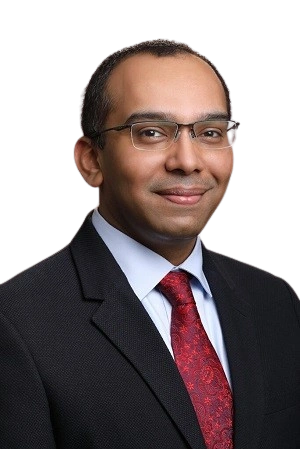
Authored by
Dr. Vidhyadharan Sivakumar
MCh (Head & Neck Surgery), FEB-ORL HNS, MS (ENT) Gold Medal
Clinical Director & Senior Consultant at THANC Hospital, Chennai. Co-Editor of "Comprehensive Management of Head and Neck Cancer" (2021) with 40+ publications. Team Leader for India's first TORS-assisted Total Laryngectomy (2022). 15+ years experience with over 3000 complex surgeries.