Most salivary gland lumps are benign, but a few are cancerous. When a lump is a salivary gland cancer, the right treatment is expert surgery within a full cancer team. At THANC Hospital in Chennai, Dr. Vidhyadharan Sivakumar treats malignant salivary tumours with a clear goal: remove the cancer completely while protecting the facial and other nearby nerves wherever the disease allows. Every case is planned by a multidisciplinary team, so surgery, neck treatment and any radiotherapy fit together. This page is part of our wider salivary gland and head & neck care.
Understanding Salivary Gland Cancer
Salivary gland cancer most often starts in the parotid gland, in front of the ear, but it can also affect the submandibular and minor salivary glands. The common types include mucoepidermoid carcinoma and adenoid cystic carcinoma, among others. They vary widely. Some are low-grade and slow, while others are more aggressive and need fuller treatment.
The facial nerve runs through the parotid gland, so protecting facial movement is a key part of surgery here. When a cancer has not grown into the nerve, the nerve is preserved. When it has, careful surgery and nerve repair can often restore movement.
Warning Signs
Some features make a salivary lump more likely to be cancer:
- A lump that grows quickly
- Pain in the gland
- Weakness or drooping of the face on the same side
- Numbness of the skin over the lump
- A hard or fixed lump
- A new lump in the neck
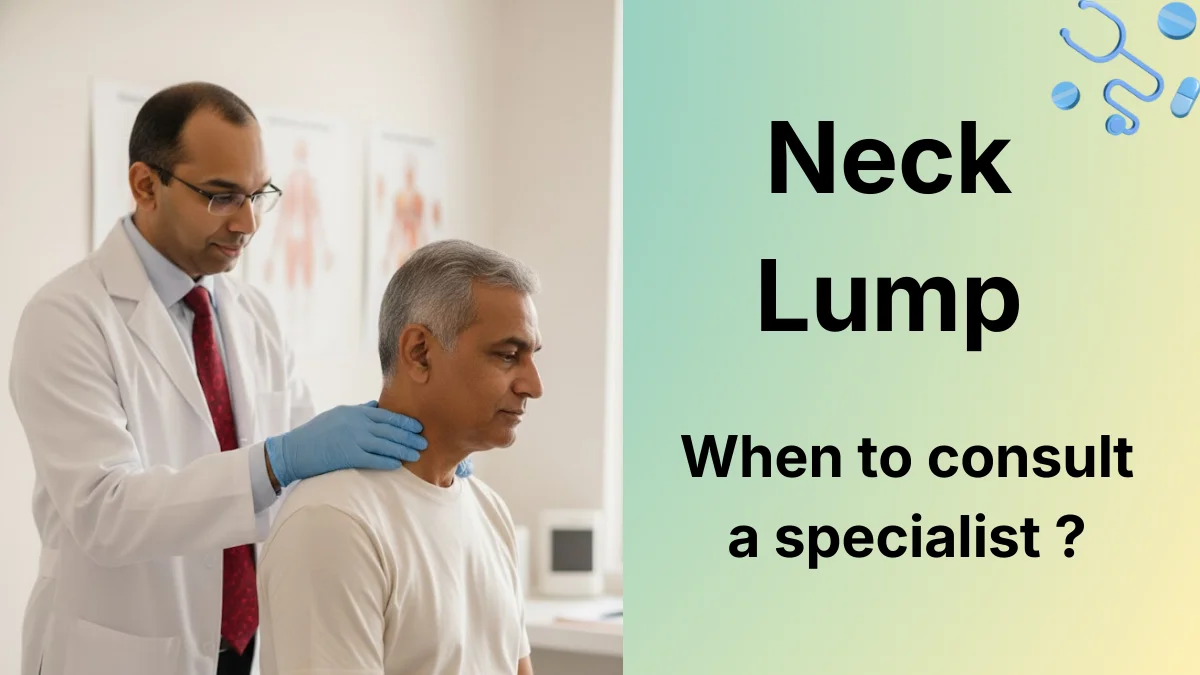
Any of these should be assessed without delay. Our guide explains when a neck lump is a concern.
Diagnosis at THANC Hospital
Dr. Vidhyadharan uses a clear pathway to confirm the diagnosis and plan treatment:
- Clinical examination of the gland, the facial nerve and the neck.
- Ultrasound scan and a fine-needle aspiration cytology (FNAC) to assess the lump.
- MRI or CT scan to map the tumour and check the neck nodes.
- Multidisciplinary tumour board review, so the surgeon, radiation oncologist, medical oncologist, radiologist and pathologist agree the plan together.
Types and Grade
Salivary gland cancers are not all the same, and the type matters a great deal. Some, such as low-grade mucoepidermoid carcinoma, grow slowly and have a very good outlook after surgery. Others, such as adenoid cystic carcinoma, tend to track along nerves and need careful, complete removal and often radiotherapy. The grade, which describes how aggressive the cancer looks under the microscope, is just as important as the type. A low-grade cancer caught early may need only surgery, while a high-grade one usually needs surgery and radiotherapy together.
This is why the final tissue result after surgery is so important. It confirms the exact type and grade, and it guides whether any further treatment is needed. The tumour board uses this information to tailor the plan to your specific cancer rather than treating all salivary cancers the same way.
How Salivary Gland Cancer Is Treated
Surgery
Surgery to remove the tumour and the affected gland is the main treatment. For parotid cancers this is a parotidectomy, and for cancers of the gland under the jaw it is a submandibular gland excision. The facial nerve is preserved wherever the cancer allows.
Neck Treatment
If there is a risk that cancer has spread to the lymph nodes, the neck is treated at the same time with a neck dissection. This is planned based on the type and stage of the cancer.
Radiotherapy
Radiotherapy after surgery is added for higher-grade or larger cancers, for nerve involvement, or where margins are not clear. The tumour board decides this and explains it to you.
What to Expect
Before treatment. Examination, imaging, a needle test, and a tumour board review. Dr. Vidhyadharan explains the diagnosis, the plan and the likely recovery.
Surgery. Removal of the tumour and gland, with neck treatment if needed, under general anaesthetic.
After surgery. The tissue is examined to confirm the type, grade and margins. This guides whether radiotherapy is needed and sets the follow-up plan.
Recovery and Follow-up
Recovery depends on the size of the surgery and whether the neck was treated. Dr. Vidhyadharan reviews wound healing and facial nerve function at each visit. After treatment, regular follow-up checks the area and the neck, so any change is found early. Support for speech, swallowing and rehabilitation is available when needed.
Outcomes
The outlook depends on the type and grade of cancer, the stage, and how completely it is removed. Many salivary gland cancers, especially low-grade ones treated early, have a good outlook. Expert surgery, complete removal and the right use of radiotherapy give the best chance of a good result.
Why Choose Dr. Vidhyadharan at THANC Hospital
- Head and neck surgical oncology training. MCh (Head & Neck Surgery) and European Board certification (FEB-ORL HNS), with expertise in salivary gland cancer surgery.
- Facial nerve preservation and repair wherever the cancer allows.
- 3000+ head and neck operations, the volume linked to better outcomes.
- A full multidisciplinary team for surgery, neck treatment, radiotherapy and rehabilitation.
- In-house imaging and pathology at THANC Hospital for fast, accurate planning.
Treatment Cost and Insurance
The cost depends on the type of surgery, whether the neck is treated, the need for reconstruction or radiotherapy, the room category and the length of stay. Most major health insurers in India cover cancer treatment, including cashless treatment at empanelled hospitals. Eligible patients may also use government schemes such as Ayushman Bharat (AB-PMJAY) or the Tamil Nadu CMCHIS.
THANC Hospital gives a clear, itemised estimate during your consultation. To see Dr. Vidhyadharan Sivakumar, request an appointment online.