
Hyperthyroidism occurs when an overactive thyroid gland produces excessive thyroid hormones, disrupting your body's metabolic balance. While medical therapies offer relief for many, persistent disease, large goitres, or severe medication side effects often necessitate surgical management. Seeking expert hyperthyroidism surgery in Chennai allows patients to achieve a definitive cure through precision surgical techniques at THANC Hospital.
Hyperthyroidism Surgery in Chennai: Surgical Management for Overactive Thyroid
Surgical treatment offers a prompt and definitive resolution for patients struggling with thyroid hormone overproduction.
What Is Hyperthyroidism and High Thyroid Hormone Level?
Hyperthyroidism is an endocrine disorder characterized by excessive production and secretion of triiodothyronine (T3) and thyroxine (T4) by the thyroid gland, leading to an abnormally accelerated metabolic state. The thyroid gland sits at the base of the neck, acting as the primary regulator of cellular energy metabolism, heart rate, and temperature control. When functioning normally, thyroid-stimulating hormone (TSH) secreted by the pituitary gland tightly regulates T3 and T4 synthesis.
In hyperthyroidism, this feedback loop breaks down. Biochemical evaluation reveals overt hyperthyroidism when serum TSH levels are fully suppressed below normal limits while free T3 and free T4 levels are significantly elevated. Subclinical hyperthyroidism presents with low or undetectable TSH but normal circulating free T3 and T4 levels. Left unmanaged, excessive thyroid hormones drive catabolism, straining the cardiovascular, skeletal, and central nervous systems.
Role of Definitive Surgical Care at THANC Hospital
Surgical intervention, known as thyroidectomy, provides immediate biochemical control by removing the hyper-functioning thyroid tissue. While antithyroid medications manage symptoms by inhibiting hormone synthesis, they carry high relapse rates once stopped. Radioactive iodine therapy ablates tissue slowly over months but can exacerbate eye complications in Graves' disease.
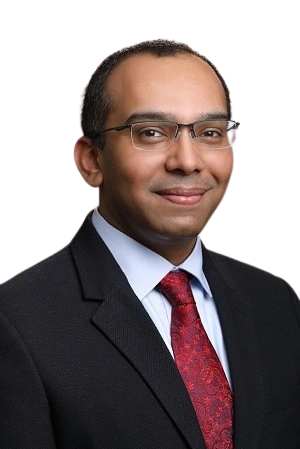
At THANC Hospital (The Head and Neck Centre) in Kilpauk, Chennai, surgical care is directed by Dr. Vidhyadharan Sivakumar, a Head & Neck Surgical Oncologist and Laryngologist with more than 16 years of experience and more than 3,000 surgeries. Dr. Vidhyadharan uses nerve monitoring technology to protect vocal cord function and preserve parathyroid architecture during thyroid resection. Patients considering surgery can read more on our thyroid surgery in Chennai page.
What Are the Signs, Symptoms, and Risks of Severe Hyperthyroidism?
Recognizing systemic thyrotoxic manifestations early allows for timely intervention before end-organ damage occurs.
Common Clinical Manifestations of High Thyroid Levels
Excessive circulating T3 and T4 accelerate basal metabolic function across every organ system. Patients frequently experience unexplained, rapid weight loss despite an increased or voracious appetite. Heat intolerance and excessive sweating occur as thermal regulation struggles against heightened metabolic heat production.
Neuromuscular and gastrointestinal symptoms are equally pronounced. Patients often exhibit fine tremors in their hands and fingers, intense anxiety, irritability, insomnia, and muscle weakness in the upper arms and thighs. Increased gut motility leads to frequent bowel movements or diarrhea. Tachycardia (a resting heart rate above 100 beats per minute) and conscious heart palpitations are classic cardiovascular signs.
Is Hyperthyroidism Serious? Cardiovascular and Metabolic Risks
Sustained thyrotoxicosis places a severe burden on the cardiovascular system. High thyroid levels lower peripheral vascular resistance while increasing cardiac output, blood volume, and resting heart rate. Over time, this state can precipitate atrial fibrillation, an irregular heart rhythm that elevated the risk of thromboembolic stroke. In severe or untreated cases, high-output heart failure develops as the cardiac muscle becomes exhausted.
Female patients face unique clinical risks due to systemic hyperthyroidism. Elevated thyroid hormones disrupt the hypothalamic-pituitary-ovarian axis, leading to oligomenorrhea (infrequent menstruation), amenorrhea (absence of periods), and impaired ovulation resulting in temporary subfertility. Prolonged hyperthyroidism accelerates bone turnover, uncoupling bone formation from resorption, which dramatically increases the risk of early-onset osteoporosis and pathological fractures.
Thyroid storm represents the most severe, life-threatening decompensation of hyperthyroidism. Triggered by infection, trauma, surgery, or abrupt cessation of medication, thyroid storm presents with hyperpyrexia (fever exceeding 40 °C), severe tachycardia, agitation, delirium, jaundice, and rapid heart failure. Emergency stabilization and intensive care monitoring are vital to prevent mortality.
Underlying Causes of Hyperthyroidism: Which Conditions Require Surgery?
Identifying the exact etiology of thyroid hyper-function determines whether surgery or conservative medical monitoring is appropriate.
Graves' Disease vs. Toxic Nodular Goitre
Graves' disease is the primary cause of hyperthyroidism worldwide. It is an autoimmune disorder where autoantibodies, specifically TSH receptor antibodies (TRAb), bind to and continuously stimulate the TSH receptor on thyroid follicular cells. This causes diffuse gland enlargement (diffuse toxic goitre) and unchecked thyroid hormone production. Graves' disease can also involve extrathyroidal manifestations, including Graves' orbitopathy (thyroid eye disease) and pretibial myxedema.
Toxic Multinodular Goitre (TMNG) and Toxic Adenoma (Plummer disease) represent autonomous structural causes of hyperthyroidism. Unlike Graves' disease, these conditions are characterized by one or more localized nodules that function independently of TSH control. TMNG occurs predominantly in older adults who have had long-standing non-toxic multinodular goitres. Over decades, somatic mutations lead to autonomous hormone secretion, turning the nodules "toxic." Surgery is particularly effective for TMNG and toxic adenoma because it removes the overactive tissue, and published series report a very low risk of the overactivity returning.
Thyroiditis vs. Surgical Hyperthyroidism: Key Differences
Not all causes of elevated thyroid hormone levels benefit from surgical intervention. Thyroiditis encompasses a group of inflammatory disorders—such as subacute granulomatous thyroiditis (De Quervain's), painless (silent) thyroiditis, and postpartum thyroiditis—that cause transient thyrotoxicosis. In these conditions, inflammation damages thyroid follicular cells, causing stored thyroid hormones to leak into the bloodstream.
Thyroiditis is self-limiting and strictly managed with medical supportive care, such as beta-blockers and anti-inflammatory medications. Surgery is contraindicated in thyroiditis because the gland is not overproducing hormone; it is leaking pre-formed hormone. Once stored reserves deplete, the phase passes, often transitioning temporarily into hypothyroidism before recovery. Surgical intervention is reserved exclusively for true hyper-synthesizing pathology: Graves' disease, TMNG, and toxic adenoma.
Diagnostic Workup: Essential Tests Before Hyperthyroidism Treatment
A precise pre-operative diagnostic workup confirms hormone overproduction, identifies underlying pathology, and evaluates gland anatomy.
Laboratory Evaluation and Antibody Profiling
The initial step in evaluating hyperthyroidism is biochemical testing. A baseline blood panel must measure:
- Serum TSH: A third-generation TSH assay typically shows suppressed values below 0.01 mIU/L in overt hyperthyroidism.
- Free T3 and Free T4: Elevated free T3 and free T4 confirm thyrotoxicosis. Measuring free hormone levels prevents diagnostic errors caused by alterations in thyroid-binding globulin proteins.
- TSH Receptor Antibodies (TRAb) / Thyroid-Stimulating Immunoglobulin (TSI): High serum levels confirm Graves' disease, helping differentiate autoimmune hyperthyroidism from nodular thyroid disease.
- Thyroid Peroxidase (Anti-TPO) & Thyroglobulin Antibodies: Often elevated in autoimmune thyroid conditions, aiding in overall immune profiling.
Imaging and Scintigraphy for Toxic Nodules
Imaging studies map the structural layout of the thyroid gland and evaluate nodular disease prior to surgery:
- High-Resolution Neck Ultrasound: Ultrasound assesses thyroid volume, vascularity (via color Doppler), and the presence of co-existing thyroid nodules. It allows precise classification of suspicious features according to Thyroid Imaging Reporting and Data System (TI-RADS) criteria; see thyroid nodule evaluation for how suspicious nodules are handled.
- Radionuclide Scintigraphy (Tc-99m or Radioactive Iodine-123): Nuclear scanning measures iodine uptake and distribution across the gland. Diffuse, intense uptake confirms Graves' disease. Focal uptake in a single nodule with suppression of the rest of the gland indicates a toxic solitary adenoma. Heterogeneous uptake with multiple "hot" (hyper-functioning) and "cold" (hypo-functioning) areas confirms toxic multinodular goitre.
- Fine Needle Aspiration Cytology (FNAC): If ultrasound identifies suspicious "cold" nodules within a toxic multinodular goitre, ultrasound-guided FNAC is performed to rule out concomitant thyroid malignancy prior to planning the surgical procedure.
Hyperthyroidism Treatment Comparison: Medication, Radioiodine, and Surgery
Selecting the right definitive treatment involves weighing efficacy, speed of resolution, side effects, and personal health goals.
Comparative Analysis of Definitive Hyperthyroidism Treatments
| Treatment Modality | Mechanism of Action | Speed of Disease Control | Relapse Rate | Major Advantages | Primary Risks / Disadvantages |
|---|---|---|---|---|---|
| Antithyroid Drugs (ATDs) (Carbimazole, Methimazole, PTU) | Inhibits thyroid peroxidase, reducing hormone synthesis | Slow (4 to 12 weeks) | High (50% to 60% after drug withdrawal) | Non-invasive; avoids permanent hypothyroidism initially | Minor rashes, joint pain; rare agranulocytosis, hepatotoxicity |
| Radioactive Iodine (RAI-131) | Delivers beta-radiation to ablate thyroid follicular tissue | Moderate (3 to 6 months) | Low to Moderate (10% to 20% may need second dose) | Outpatient procedure; avoids surgical risks | Worsens Graves' eye disease; delayed hypothyroidism; contraindicated in pregnancy |
| Total Thyroidectomy | Complete surgical excision of thyroid gland tissue | Immediate (Day 1 post-op) | Near Zero (< 1%) | Immediate cure; relieves mechanical compression; safe in eye disease | Requires lifelong levothyroxine; standard surgical and anesthetic risks |
Limitations and Side Effects of Antithyroid Medication and RAI
Antithyroid medications (thionamides like carbimazole and methimazole) serve as first-line therapy to achieve initial disease control. However, published series report that about half of patients with Graves' disease relapse after stopping a 12-to-18-month course of medication. In toxic multinodular goitre, antithyroid medications never induce remission; hyperthyroidism recurs immediately if the medication is stopped. Thionamides also carry rare but severe adverse risks, including life-threatening agranulocytosis (a sudden drop in white blood cells) and drug-induced hepatotoxicity.
Radioactive Iodine (RAI-131) offers non-surgical ablation, but its destruction of tissue is slow and unpredictable. Patients often remain hyperthyroid for several months post-treatment, requiring continued medical management. Crucially, RAI-131 treatment can cause or severely worsen Graves' orbitopathy (thyroid eye disease) due to the release of thyroid antigens following radiation-induced tissue damage. RAI is strictly contraindicated during pregnancy and breastfeeding, and requires patients to observe radiation isolation protocols post-treatment.
Clinical Indications: When Is Thyroidectomy the Best Option?
Determining when surgery is the superior therapeutic path requires a thorough evaluation of clinical, structural, and systemic factors.
Mechanical and Ocular Indications for Surgery
Thyroidectomy is the definitive treatment choice under several distinct clinical circumstances: A goitre that extends behind the breastbone is covered on our retrosternal goitre surgery page.
- Large Goitres with Compressive Symptoms: When an overactive thyroid gland expands significantly, it can compress adjacent neck structures. Patients may experience dysphagia (difficulty swallowing), stridor or dyspnea (breathing difficulty from tracheal compression), or persistent voice changes. Surgery provides immediate relief from mechanical airway and esophageal obstruction.
- Retrosternal / Substernal Extension: Toxic goitres that grow downward into the mediastinum cannot be safely or effectively treated with RAI, making surgical removal essential.
- Moderate-to-Severe Graves' Orbitopathy: For patients with active thyroid eye disease (exophthalmos, double vision, periorbital edema), thyroidectomy is the preferred definitive therapy. Unlike RAI, surgery does not trigger autoantibody spikes that worsen ocular inflammation.
Medical Intolerance and Reproductive Planning Considerations
- Severe Adverse Reactions to Antithyroid Drugs: Patients who develop agranulocytosis, severe toxic hepatitis, or severe cutaneous reactions to thionamides cannot safely continue medical management.
- Refractory or Relapsed Disease: Hyperthyroidism that recurs after completing antithyroid therapy or failing RAI ablation requires definitive surgical intervention.
- Co-existing Suspicious or Malignant Nodules: When diagnostic workup reveals a thyroid nodule with indeterminate or malignant cytology alongside hyperthyroidism, total thyroidectomy resolves both conditions in a single procedure.
- Reproductive Considerations: Women with hyperthyroidism who plan to become pregnant within 6 months benefit from definitive surgery. Achieving a stable euthyroid state with levothyroxine replacement prior to conception avoids the teratogenic risks of antithyroid medications during early pregnancy and eliminates the unpredictability of fluctuating thyroid levels.
Pre-Operative Preparation: Achieving a Euthyroid State Before Surgery
Operating on a patient with active, uncontrolled hyperthyroidism carries severe surgical and anesthetic risks that require careful pre-operative preparation.
Preventing Intraoperative Thyroid Storm
The primary goal of pre-operative preparation is rendering the patient biochemically euthyroid (normal T3 and T4 levels) prior to entering the operating room. Administering general anesthesia or manipulating a hyperactive, highly vascular thyroid gland during surgery can trigger a massive release of stored thyroid hormones into the bloodstream, precipitating an intraoperative thyroid storm.
To prevent this outcome, patients are treated with standard antithyroid medications (methimazole or carbimazole) for several weeks leading up to the procedure. Non-selective beta-blockers, primarily propranolol, are co-administered to control tachycardia, reduce tremors, and blunt the peripheral conversion of T4 to T3. Serum free T3 and free T4 levels are re-checked shortly before surgery to confirm complete biochemical control.
The Role of Lugol's Iodine and Vascularity Reduction
In hyperthyroidism, particularly Graves' disease, the thyroid gland becomes markedly enlarged, hyperemic, and friable, receiving a vastly increased blood supply. To mitigate intraoperative bleeding, a specialized pre-operative iodine protocol is administered.
Patients receive Lugol's iodine (5 to 10 drops three times daily) or Saturated Solution of Potassium Iodide (SSKI) for 7 to 10 days immediately before the scheduled operation. The influx of iodide temporary shuts down thyroid hormone release (the Wolff-Chaikoff effect) and dramatically decreases vascular density throughout the gland. This reduces intraoperative blood loss and renders the thyroid tissue firmer, facilitating safer tissue dissection around delicate nerve structures.
In emergency situations—such as severe medication reactions where thionamides cannot be used—a rapid pre-operative preparation protocol utilizing high-dose corticosteroids (dexamethasone), beta-blockers, and oral radiocontrast agents or potassium iodide is implemented under close clinical supervision.
Surgical Techniques in Hyperthyroidism: Total vs. Subtotal Thyroidectomy
Surgical management of overactive thyroid conditions has evolved toward protocols designed to maximize cure rates while preserving delicate local structures.
Selecting the Appropriate Resection Extent
Historically, subtotal thyroidectomy—leaving a small remnant of thyroid tissue—was performed to avoid permanent hypothyroidism. However, clinical studies demonstrate that subtotal resection carries a high long-term recurrence rate of hyperthyroidism (up to 20%), while often still requiring thyroid hormone replacement. The operations themselves are described in detail on our thyroidectomy page.
Today, Total Thyroidectomy (complete removal of all visible thyroid tissue) is the standard surgical approach for Graves' disease and bilateral toxic multinodular goitre. Total thyroidectomy provides immediate disease control, makes recurrence of hyperthyroidism very unlikely (as published series report), and removes potential autoantigens driving eye disease. For a solitary toxic adenoma affecting only one lobe, a Thyroid Lobectomy (hemithyroidectomy) is performed, preserving the unaffected contralatral thyroid lobe.
Voice Preservation via Intraoperative Nerve Monitoring (IONM)
Preserving vocal function is a paramount priority during thyroid surgery. The recurrent laryngeal nerves (RLN), which control the vocal cords, run directly behind the thyroid lobes. Damage to an RLN can cause hoarseness or breathiness, while bilateral damage can cause airway obstruction. The external branch of the superior laryngeal nerve (EBSLN) also runs near the upper thyroid vessels and governs pitch control.
To safeguard these pathways, advanced thyroid procedures utilize Continuous Intraoperative Nerve Monitoring (IONM). IONM delivers real-time electromyographic feedback regarding nerve location and functional integrity during tissue dissection. By mapping the nerve's anatomical trajectory, IONM allows the surgeon to work safely around the RLN and EBSLN, significantly reducing the risk of transient or permanent voice alteration.
Parathyroid Identification and Autotransplantation
another crucial aspect of thyroid surgery is protecting the four tiny parathyroid glands, which sit adjacent to the thyroid's posterior capsule and regulate calcium homeostasis. In hyperthyroid glands, hyper-vascularity can make identifying the parathyroids challenging.
Careful capsular dissection techniques are used to isolate and preserve each parathyroid gland along with its microvascular blood supply. If a parathyroid gland is inadvertently devascularized or removed during dissection, it is immediately minced into tiny fragments and autotransplanted into the ipsilateral sternocleidomastoid muscle. This autotransplanted tissue quickly re-establishes a blood supply and resumes normal parathyroid hormone production over subsequent weeks.
Recovery Timeline, Calcium Management, and Post-Surgical Follow-up
Understanding the post-operative recovery pathway helps patients navigate their care with confidence.
Post-Operative Recovery Stages and Care Protocol
| Recovery Stage | Timeframe | Clinical Focus & Key Milestones | Care Instructions |
|---|---|---|---|
| Immediate Post-Op | Hours 0 to 24 | Monitoring airway, incision site, and early calcium levels | Bed rest, progressive liquid-to-soft diet, pain control, drain monitoring |
| Hospital Discharge | Day 1 to Day 2 | Transition to oral medications; removal of surgical drain if placed | Discharged with oral levothyroxine and calcium/vitamin D supplements |
| Early Recovery | Days 3 to 14 | Wound healing, gentle neck mobility exercises, initial symptom review | Keep incision dry; avoid heavy lifting (> 5 kg) or strenuous exertion |
| Mid-Term Follow-up | Weeks 2 to 6 | Histopathology review; serum calcium and TSH re-evaluation | Dosage adjustment of levothyroxine based on blood test results |
| Long-Term Management | 3 to 6 Months | Stable baseline hormone levels; scar maturation monitoring | Annual TSH check; periodic endocrinology and ophthalmology review |
Managing Transient Hypocalcemia and Lifelong Hormone Replacement
Post-operative hypocalcemia (low serum calcium) is a known potential sequela following total thyroidectomy. It occurs when the parathyroid glands experience temporary "stunning" or reduced blood flow due to surgical manipulation. Symptoms of hypocalcemia include tingling or numbness around the mouth, fingertips, and toes, as well as muscle cramps.
To manage this, serum calcium and parathyroid hormone (PTH) levels are monitored closely following surgery. Patients are routinely placed on temporary oral calcium and active vitamin D (calcitriol) supplements, which are gradually tapered over a few weeks as parathyroid function fully recovers. Permanent hypoparathyroidism requiring long-term calcium supplementation occurs in fewer than 1% to 2% of cases when managed by experienced head and neck surgeons.
Following a total thyroidectomy, the body no longer produces thyroid hormone, making daily lifelong levothyroxine (synthetic T4) replacement necessary. Levothyroxine is taken as a single daily tablet on an empty stomach every morning. Blood tests are performed 6 weeks post-operatively to adjust the dosage, aiming for a normal TSH range. Once stable, routine blood checks are needed only once or twice a year, allowing patients to maintain a normal, active quality of life.
Cost Considerations for Hyperthyroidism Surgery in Chennai
Planning for surgical management of hyperthyroidism involves understanding the key components that shape overall medical expenses.
Key Factors Shaping Surgical Costs
The total financial expenditure for thyroidectomy in Chennai varies based on several clinical and logistical parameters. For a fuller breakdown, see our guide to thyroid surgery cost in Chennai. Major drivers include:
- Surgical Complexity & Disease Pathology: Operating on a massive toxic multinodular goitre with retrosternal extension or severe inflammatory adhesions from Graves' disease requires greater surgical time and technical expertise than a standard lobectomy.
- Specialized Technology: Utilizing advanced safeguards such as Intraoperative Nerve Monitoring (IONM) and energy-based vessel sealing devices influences overall procedural fees.
- Hospital Stay & Room Category: Overall costs vary depending on the chosen accommodation—the room category you choose and the total length of stay (typically 1 to 2 days).
- Pre-Operative Preparation: Specialized blood panels, antibody profiles, nuclear imaging scans, and cardiology consultations required to safely achieve pre-operative stability contribute to overall costs.
- Histopathology & Post-Operative Monitoring: Routine pathological analysis of the resected tissue, intensive post-operative calcium monitoring, and initial follow-up consultations.
Insurance
Thyroidectomy for hyperthyroidism is a medically necessary operation and is usually covered by health insurance. Ask your insurer about pre-authorisation, and ask for an estimate at your consultation, since the cost depends on the operation and the length of stay.
Hyperthyroidism Surgery at THANC Hospital
Surgical management offers a definitive solution for patients facing complex, refractory, or severe hyperthyroidism. By removing hyper-functioning tissue, thyroidectomy relieves pressure on the neck, prevents dangerous cardiovascular strain, avoids medication toxicities, and protects eye function. When performed by a specialized head and neck surgical team utilizing nerve monitoring protocols, total thyroidectomy is a safe procedure that provides a prompt return to systemic health.
Dr. Vidhyadharan Sivakumar is Clinical Director and Senior Consultant Surgeon at THANC Hospital (The Head and Neck Centre & Hospital) in Kilpauk, Chennai. With more than 16 years of experience, fellowship training at the Royal Adelaide Hospital in Australia and more than 3,000 surgeries, Dr. Vidhyadharan specializes in nerve-monitored thyroid resections and functional head and neck surgery.
Whether you are seeking a first-time evaluation for a toxic goitre, experiencing side effects from antithyroid medications, or looking for surgical consultation for Graves' disease, expert care is available. Contact the THANC Hospital surgical team to discuss your treatment options and schedule a comprehensive evaluation.
- Consultation Location: THANC Hospital, Kilpauk, Chennai, Tamil Nadu, India
- Direct Appointment Line: +91 73059 53378
- Online Scheduling: Book an Appointment with Dr. Vidhyadharan Sivakumar